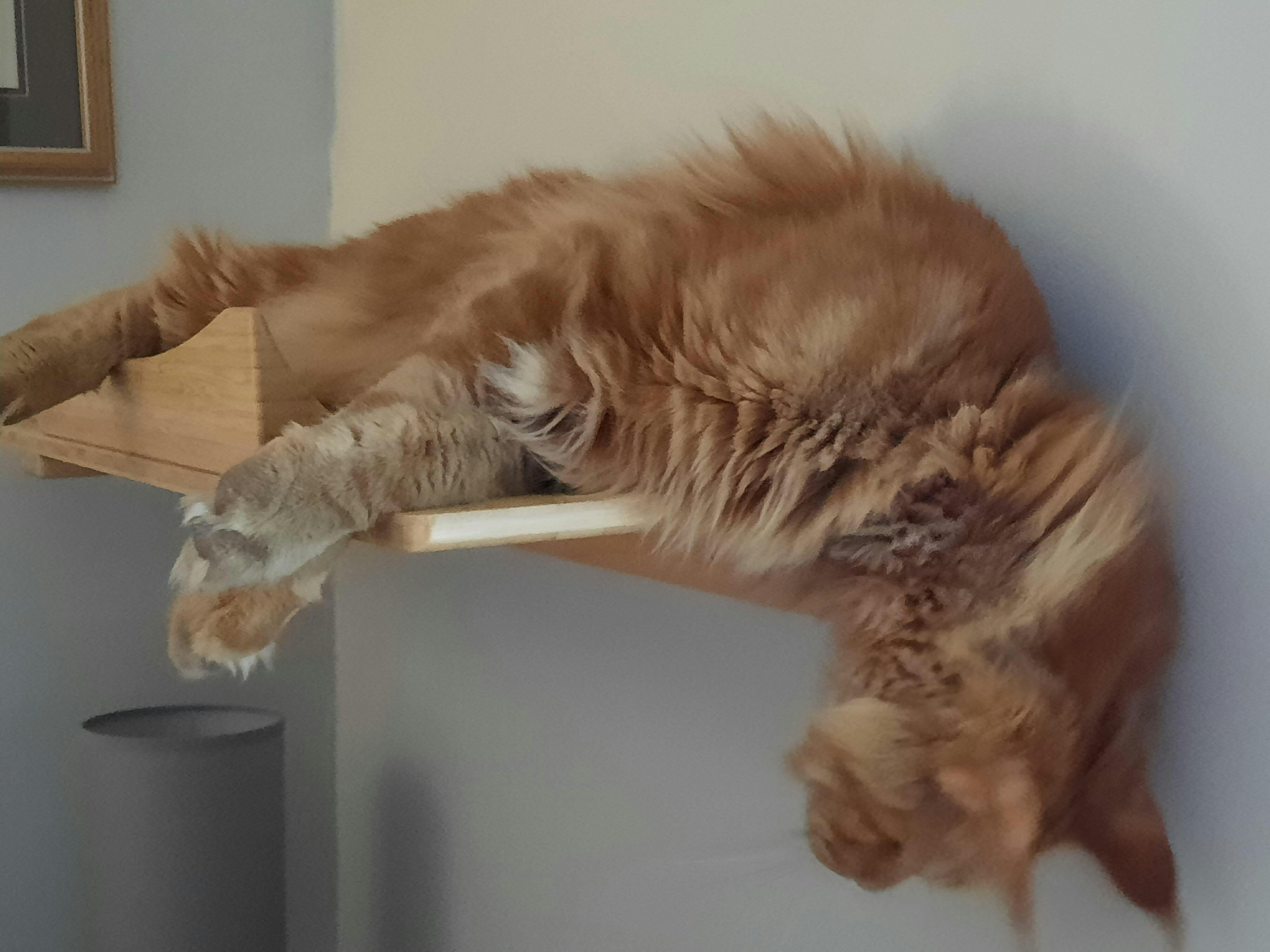

If you have found yourself asking, “Why is my cat chewing on everything?” you are not alone. Cats can sometimes act like little beavers, sinking their teeth into furniture, cords, cardboard, or just about anything within reach. While some chewing is normal and even healthy, excessive or destructive chewing can signal stress, boredom, or an underlying medical issue such as pica.
Understanding why cats chew, and how to address it, can help keep your cat safe, protect your home, and strengthen the bond you share.
Please note: This article includes an Amazon affiliate link. If you make a purchase through that link, we may earn a small commission at no additional cost to you.

Is it normal for cats to chew on things?
Yes, in many cases, chewing is perfectly normal behavior for cats. Just as kittens teethe and explore the world with their mouths, adult cats may chew to engage with different textures, play, or release excess energy. The key is recognizing when this behavior shifts from harmless exploration to something destructive or potentially dangerous.
Questions like “Why does my cat chew everything?” or “Why does my cat chew on plastic?” often have simple explanations rooted in curiosity, playfulness, or sensory stimulation.
Healthy Chewing Behaviors
Chewing can serve several healthy purposes such as:
-
Teething relief for kittens: Like human babies, kittens experience discomfort when their adult teeth are coming in. Chewing helps soothe their gums.
-
Texture exploration: Cats are naturally curious, and different surfaces encourage them to explore with their mouths.
-
Mental stimulation: Having safe outlets for chewing, like chew toys, or cat furniture can prevent boredom.
You might wonder, “Do cats need chew toys?” The answer is yes! Safe chew toys are a great way to redirect the behavior, giving your cat something healthy and fun to focus on instead of furniture or cords.

When Chewing Becomes a Problem
The trouble begins when chewing becomes destructive, compulsive, or dangerous. If you find yourself frequently asking, “Why does my cat bite everything?” or “Why does my cat chew everything?” it may be more than playful behavior. Chewing on cords, toxic plants, or harmful plastics can put your cat’s health at risk.
Cat Pica
In some cases, excessive chewing could be linked to cat pica, a condition where cats compulsively eat or chew on non-food items. If you find yourself wondering “How do I tell if my cat has pica?”, look for behaviors like persistent chewing or swallowing of inappropriate materials (plastic, fabric or cardboard). This is a red flag that it is time to talk to your vet. Some causes of cat pica include: Illness, Malnutrition, Boredom, and Gastrointestinal disease. Cat Pica is treated by providing more enrichment to the cat, behavior modification, or medication.
Common Reasons Cats Chew on Everything
So, why does my cat keep chewing on everything? Here are some of the most common reasons:
Boredom & Lack of Enrichment
Cats need stimulation. A cat without enough play, climbing options, or interactive enrichment may resort to chewing. See our guide on How to Catify Your Apartment for ideas to provide them with more enrichment.

Stress, Anxiety, or Overstimulation
Chewing can be a coping mechanism. If you’ve wondered, “Why does my cat randomly start chewing on things?” It could be triggered by household stress, changes in routine, or pent-up energy. See our blog detailing Why Do Cats Get Overstimulated? and how to help.
Teething or Oral Discomfort
Kittens chew when teething, but adults may chew if they have gum irritation or dental disease. If you are worried your cat is experiencing dental issues, it is best to consult your veterinarian.

Attention Seeking
Sometimes cats learn that chewing things gets your attention, even if it is negative attention. Some cats will even pretend to chew to get your attention. If you have ever asked yourself “Why does my cat pretend to chew?” This may be the case.
Medical Issues
Compulsive chewing, like chewing for hours on odd items, may point to medical issues like cat pica, hyperthyroidism, or digestive concerns. If you notice this type of behavior in your cat, it is best to schedule an appointment with your vet right away.
Specific Materials Cats Commonly Chew On
Why does my cat chew on plastic?
Plastic bags and wrappers can make a crinkly sound, and hold food smells, which is irresistible to cats. Unfortunately, swallowing plastic is dangerous. If you notice that your cat has eaten plastic, please contact your vet right away.
Why does my cat chew on cords and wires?
Cords mimic vines, or prey-like strings. Cats may bat, bite, and chew on them, which is especially dangerous due to electrocution risk. If your cat likes to chew on wires, cord covers, and bitter sprays are a must have!

Why do cats chew on cardboard and paper?
Cardboard and paper can satisfy a cat’s natural urge to shred and gnaw. Chewing and tearing these materials can mimic hunting behavior in the wild and help fulfill a cat’s instinct to capture and destroy prey. While this behavior is usually safe, excessive chewing may still point to stress or a condition such as pica.

Why do cats chew on plants?
Chewing plants is often a mix of curiosity, and a need for roughage. Unfortunately, many houseplants are toxic to cats, so offering cat-safe grass or other cat safe plants is safer. Here are 20 House Plants Safe for Cats.

Why do cats chew on fabric or leather?
Chewing or sucking on soft items like blankets may stem from kittenhood weaning behaviors. In older cats, this can also be a sign of anxiety or cat pica. If you notice your cat has started sucking on items, please contact your vet right away.
How to Stop Your Cat from Chewing on Everything: 5 Ideas
Wondering, “How do you stop a cat from chewing on everything?” or “How to discipline a cat for chewing?” Here are some practical, kind solutions:
1. Make problem items less appealing
If your cat loves going after cords, plastic, or furniture edges, try deterrents like bitter sprays that are safe for pets. Cord covers can be life savers if your cat keeps gnawing on wires. Whenever possibly, keep temping items out of reach.
2. Increase physical and mental stimulation
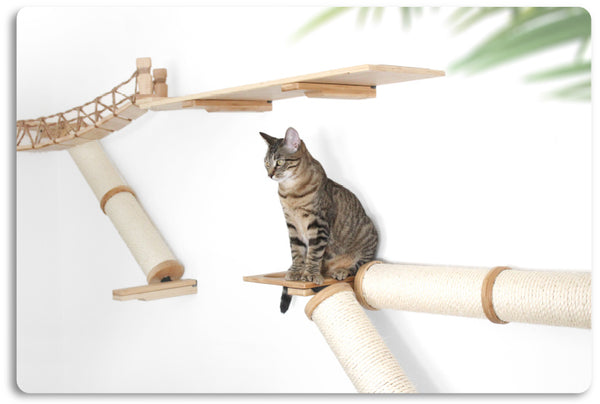
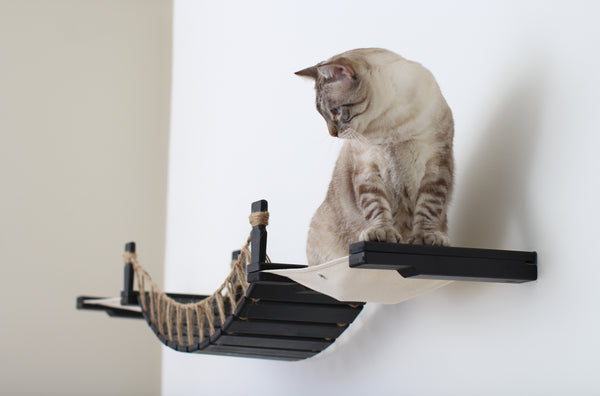
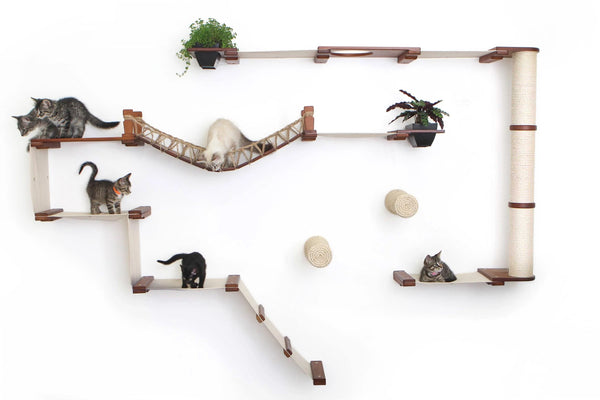
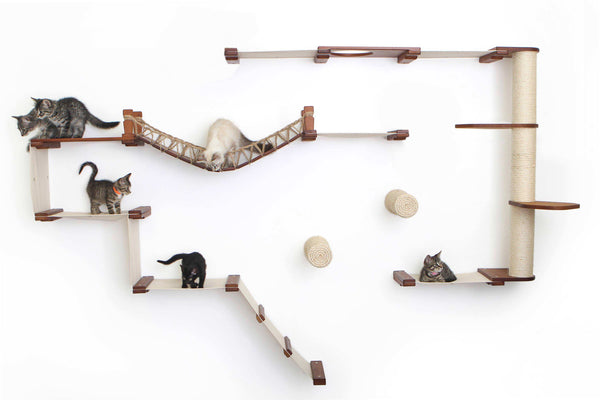
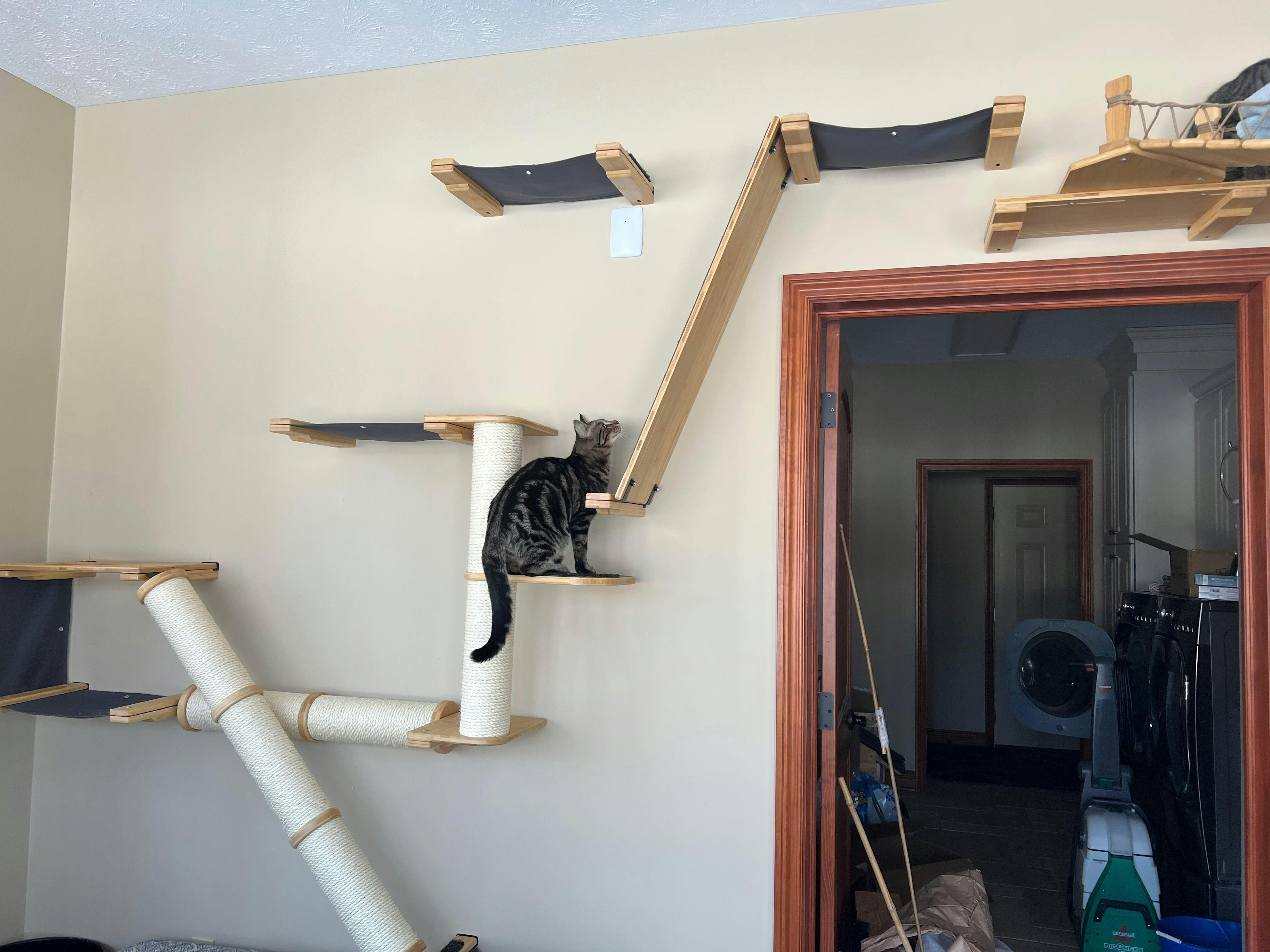
A lot of chewing happens out of boredom. Adding more enrichment to your cats routine can make all the difference. Wall-mounted cat furniture and interactive toys give cats healthier outlets to burn energy.

3. Training strategies
Redirecting your cat's chewing behavior is all about patience and consistency. If you catch your cat gnawing on something unsafe, gently interrupt them and guide their attention to a safe chew toy instead. The key is to reward them when they choose the toy over your cords, shoes, or furniture, Over time, this creates a positive association with their safe chew toys. Avoid punishment, since it can create stress and worsen chewing. Instead focus on redirection and encouragement. For more guidance, see our guide: How to Train a Cat: 5 Points to Remember.
4. Provide safe chew toys
Yes, cats do need chew toys! Offering the right textures makes it easier to say “no” to unsafe items. While chewing isn't as instinctive for cats as it is for dogs, many cats benefit from having appropriate textures they're allowed to chew. Chew toys can help satisfy oral fixation, ease teething in kittens, and prevent destructive habits.
5. Address stress or anxiety
Chewing can often be a sign of underlying stress or overstimulation. If your cat is anxious they may turn to chewing as a form of self-soothing. See our blog here about how to help overstimulated cats. Try calming aids such as pheromone diffusers, herbal sprays, or even cozy hideouts can make a big difference. If chewing persists despite enrichment and safe outlets, it's worth checking in with your vet.

When to See a Veterinarian
If you have been asking “At what age do cats stop chewing on things?” and the answer seems to be “never”, it may be time for a vet visit. Likewise, if you’re wondering “Should I let my cat chew on things?”, the answer depends- safe chew toys, yes; harmful materials, absolutely not.
Visit your vet if:
-
Your cat chews obsessively
-
They swallow inedible items
-
You suspect cat pica or dental issues
Your vet can help you figure out how to stop cats from biting in unhealthy ways while ensuring your cat’s health is protected.
Chewing can be a quirky, normal part of a cat's life, or it can be a signal underlying stress, boredom, or even medical concerns like cat pica. The key is recognizing the difference between harmless chewing and behavior that puts your cat at risk.
By offering safe chew toys, enriching their environment, and redirecting their energy, you can give your cat healthy outlets for their natural instincts. If chewing ever becomes excessive or concerning, your veterinarian can help uncover any medical or behavioral issues that might be driving the chewing.
With a little patience, guidance, and the right tools, your cat can enjoy safe chewing habits that keep both them and your belongings out of harm's way.