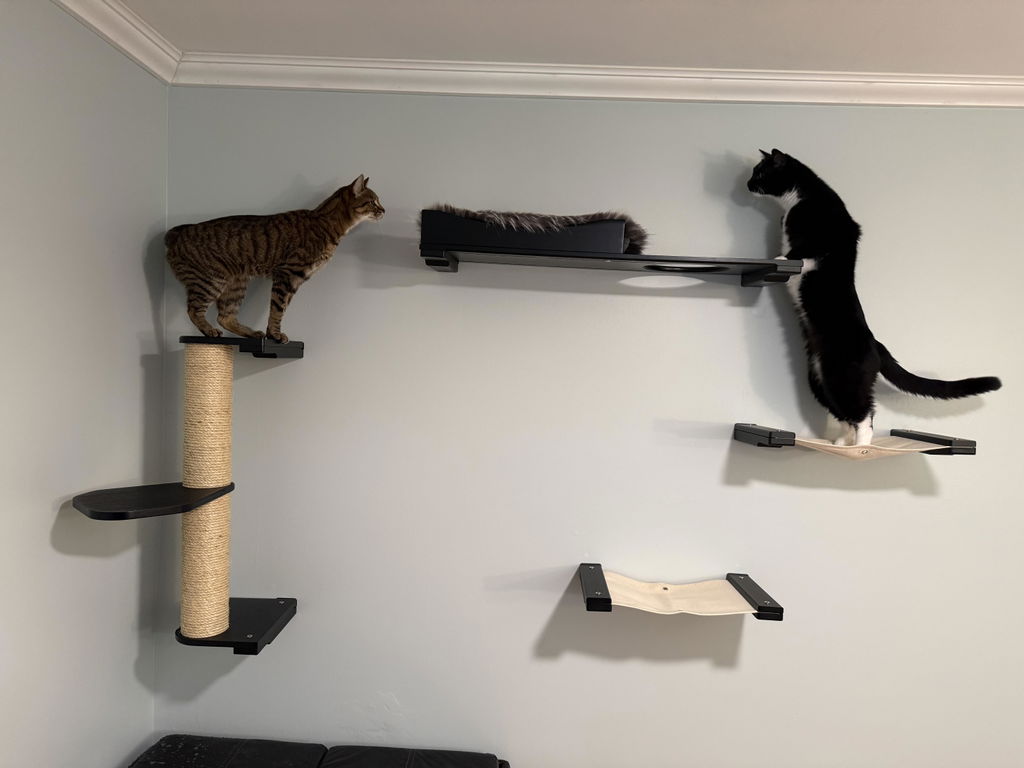

Cats are endlessly fascinating creatures, and sometimes their behavior leaves us scratching our heads. One common question pet parents ask is: why is my cat staring at the wall? Maybe you’ve noticed your cat staring at the wall at night, or even an elderly cat staring at the wall for long stretches of time. Sometimes you’ll see a cat staring at the corner of a wall, or you might wonder, why does my cat stare at the wall and meow?
While this behavior can be quirky and harmless, there are times when it may signal something more serious. Let’s walk through the most common reasons, what it could mean, and when to reach out to your vet.
Why Do Cats Stare at Walls?
Cats may seem mysterious, but wall-staring usually falls into one of three simple categories:
1. Sensory Curiosity
Cats have stronger hearing and vision than we do. So while you may see “nothing,” your cat may be hearing insects, pipes, or tiny sounds inside the walls that we cannot hear. This explains why does my cat just sit and stare at nothing? Or why does my cat sit staring at the wall? To them, it’s not “nothing” at all, but it is something fascinating we just can’t perceive. Looking for more information about cat vision? See our blog here.

2. Hunting Instincts and Playfulness
Sometimes, wall-staring is your cat slipping into hunting mode. Even a cat staring at the wall meaning could be as simple as them fixating on shadows, dust motes, or light reflections. If you noticed your cat crouched and alert, it may just be their playful predatory instincts kicking in.

3. Behavioral and Emotional Triggers
In other cases, cats stare at walls out of stress, boredom, or habit. A cat who is under-stimulated might develop quirky behaviors like this. Some people even ask why does my cat keep staring at the wall spiritually? While interpretations vary, the practical answer often comes down to environmental enrichment, and making sure your cat has enough to do. Looking for more tips to keep your cat from being bored? See our article here.

When Cat Wall-Staring Might Be a Problem

Cognitive Dysfunction in Elderly Cats
If you notice an elderly cat staring at the wall for long periods of time, it could be a sign of feline cognitive dysfunction, similar to dementia in humans. Pet parents often wonder how to tell if a cat has dementia? The answer is to look for signs such as: confusion, disrupted sleep, increased vocalization, or changes in litter box habits.
Feline Hyperesthesia Syndrome (FHS)
Another possibility is cat staring at wall disease, a phrase people often use when they learn about Feline Hyperesthesia Syndrome. This rare neurological condition causes twitching, skin rippling, sudden biting at the back, and periods of staring. If you suspect FHS, it’s worth a conversation with your vet.
Neurological Issues
Persistent wall staring may sometimes point to seizures, vision problems, or other neurological concerns. For example, if you’ve asking, why does my cat stare at the wall for hours? Then, it's worth getting a professional opinion.
Head Pressing vs. Normal Staring
There’s a difference between a cat who sits calmly, and one who sits with their face against the wall. Head pressing, literally pressing the head against a solid surface, is not normal, and can indicate serious neurological disease. If you see this behavior, contact your vet right away.
How to Respond if Your Cat Stares at Walls

When It’s Harmless
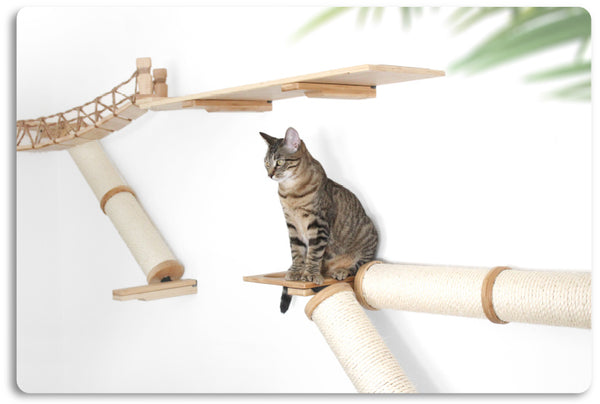
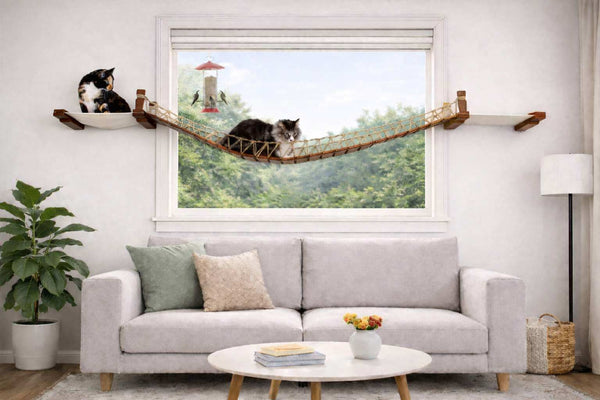
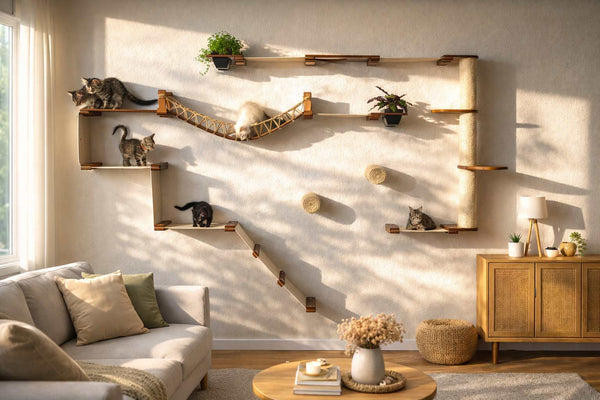
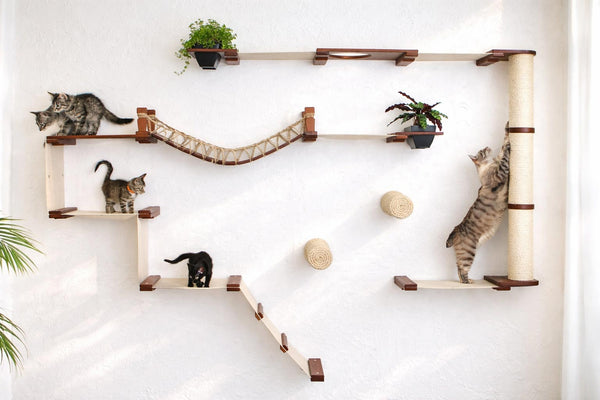
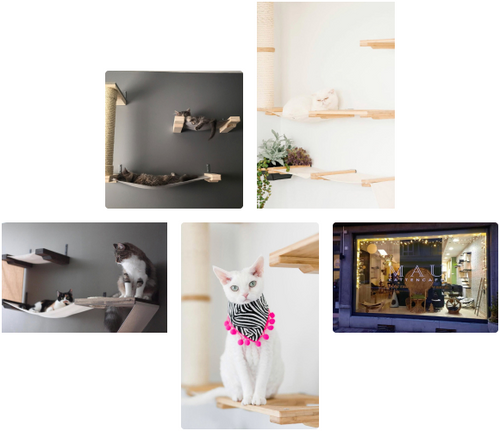
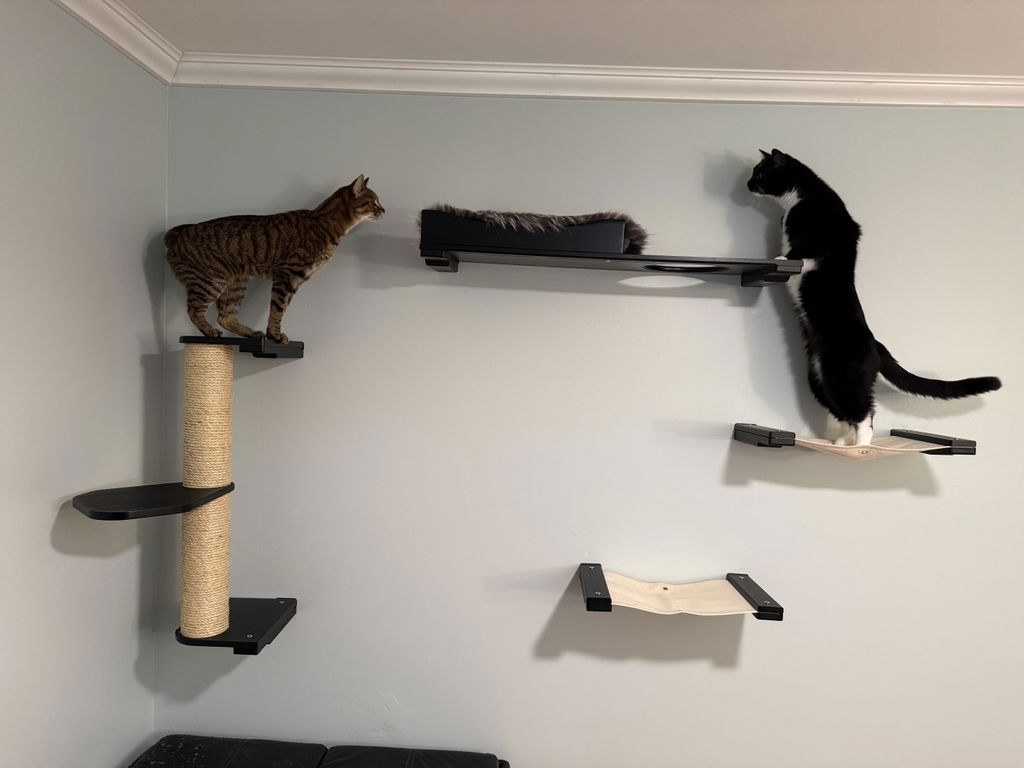
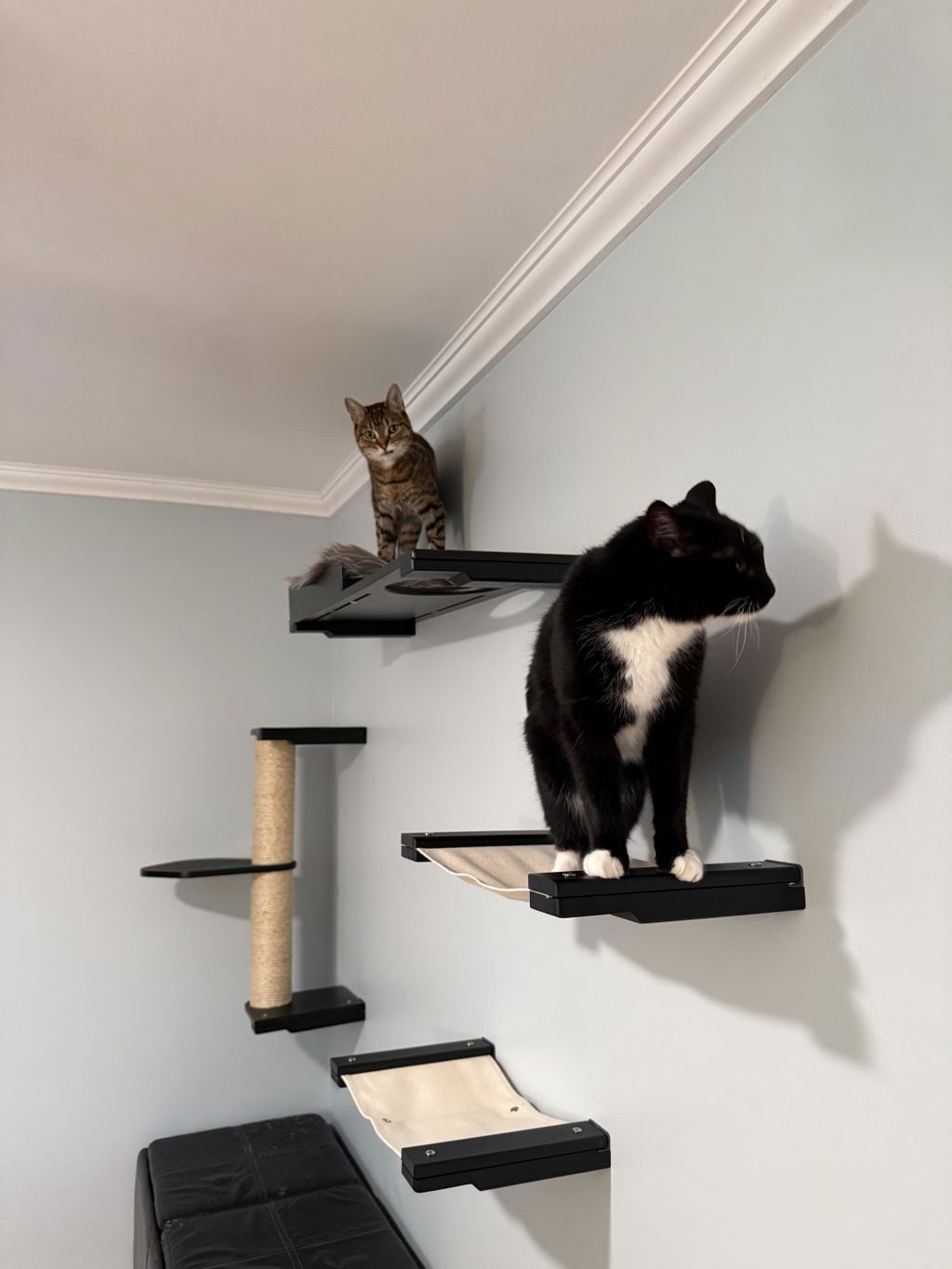
If your cat seems otherwise healthy, wall staring is often just curiosity. To redirect the behavior, try enriching their environment with more stimulation. You can read more about enrichment here, including ideas like creating vertical space for your cat to climb and explore.
Practical Home Adjustments
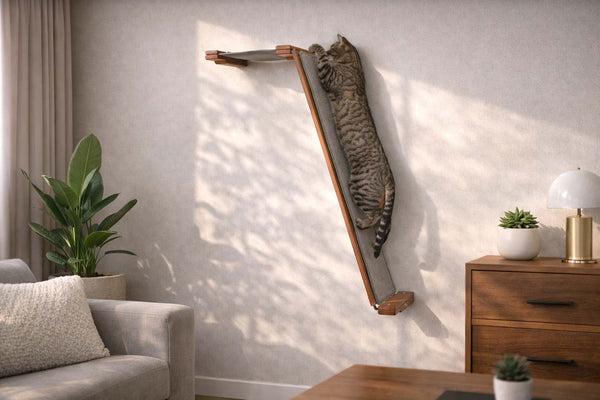
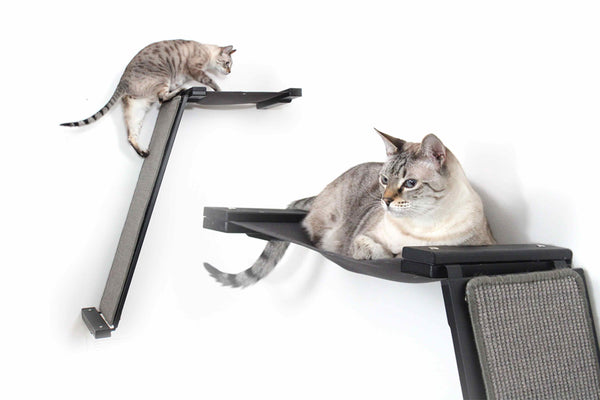
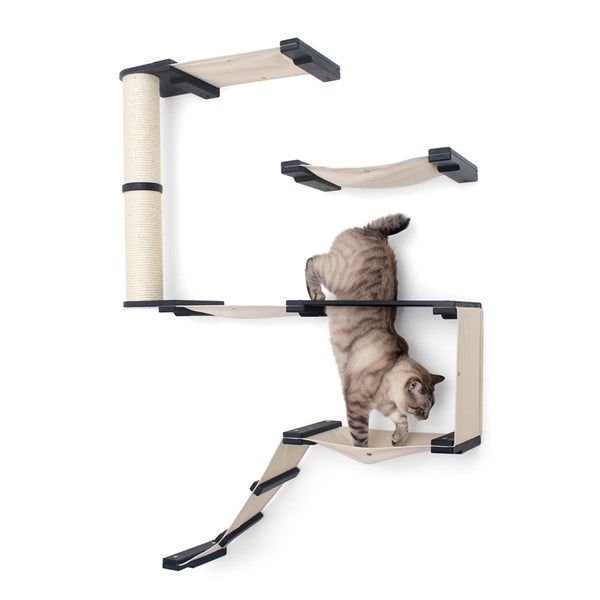
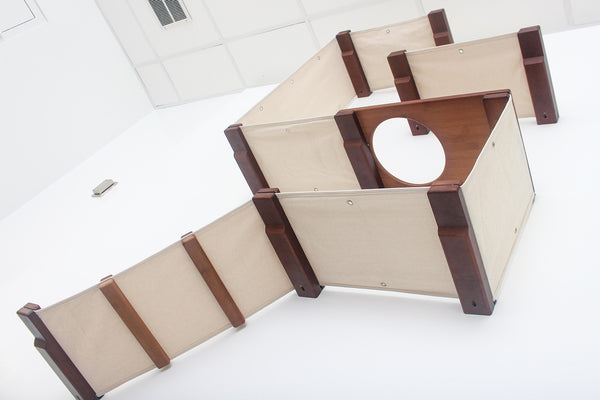
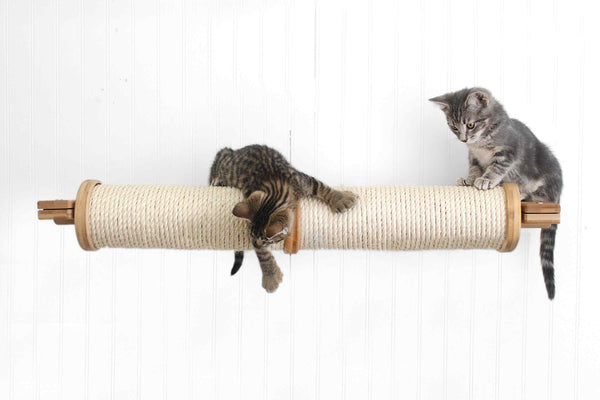
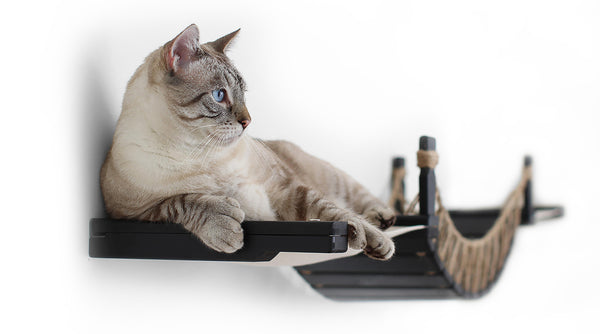
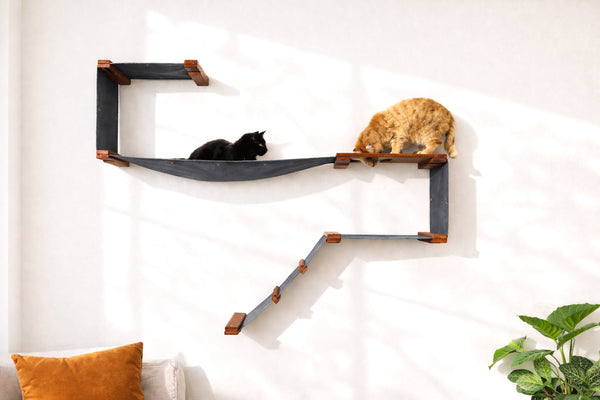
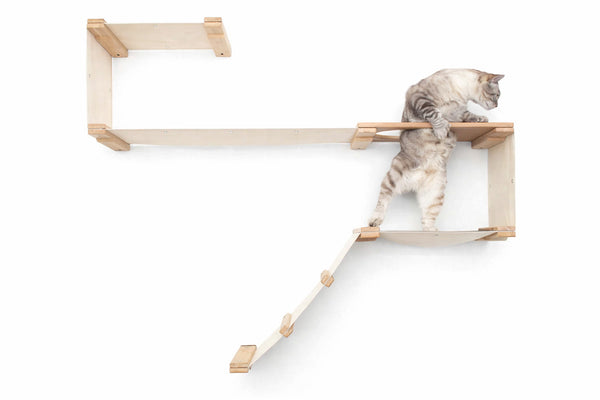
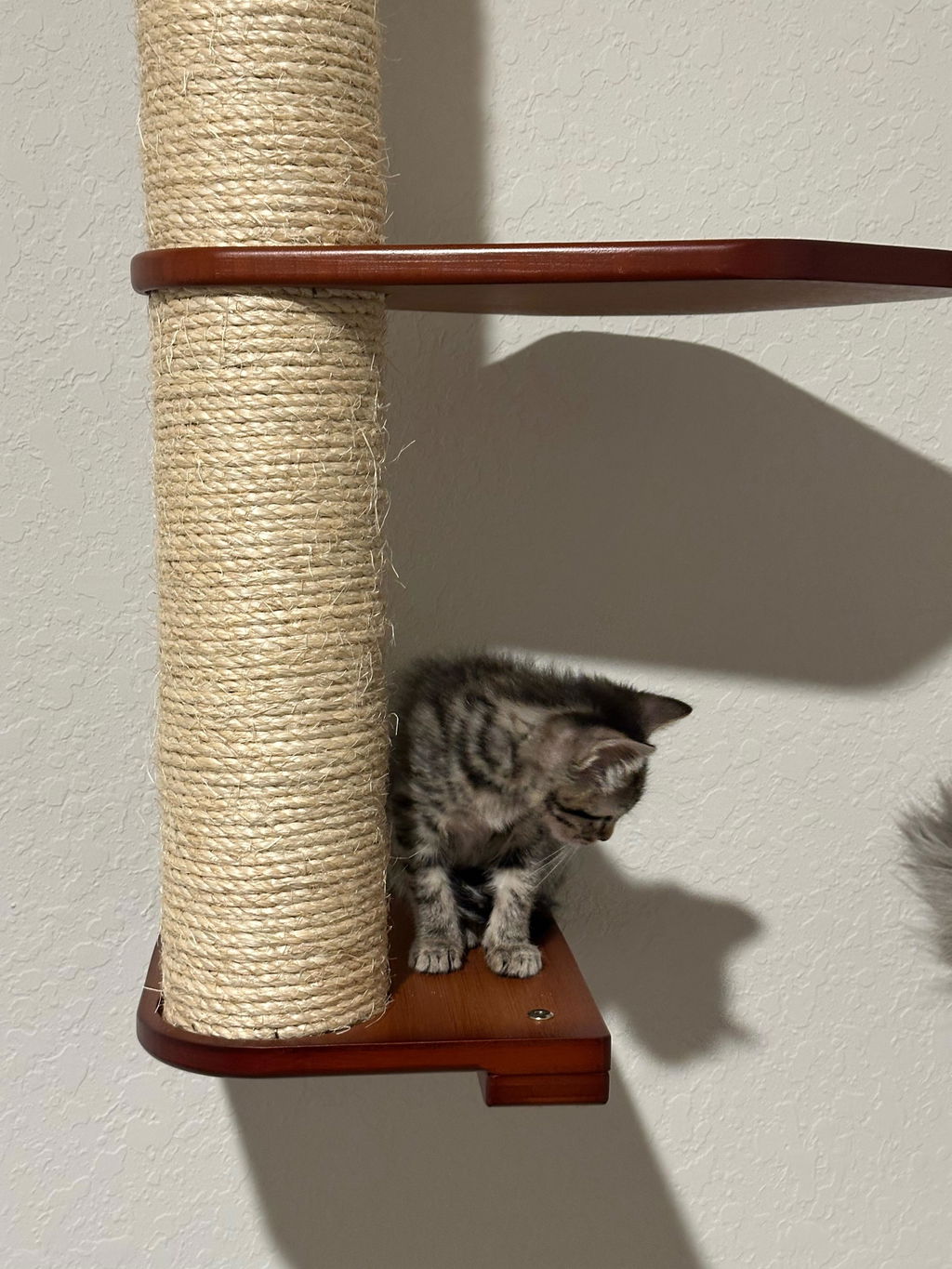
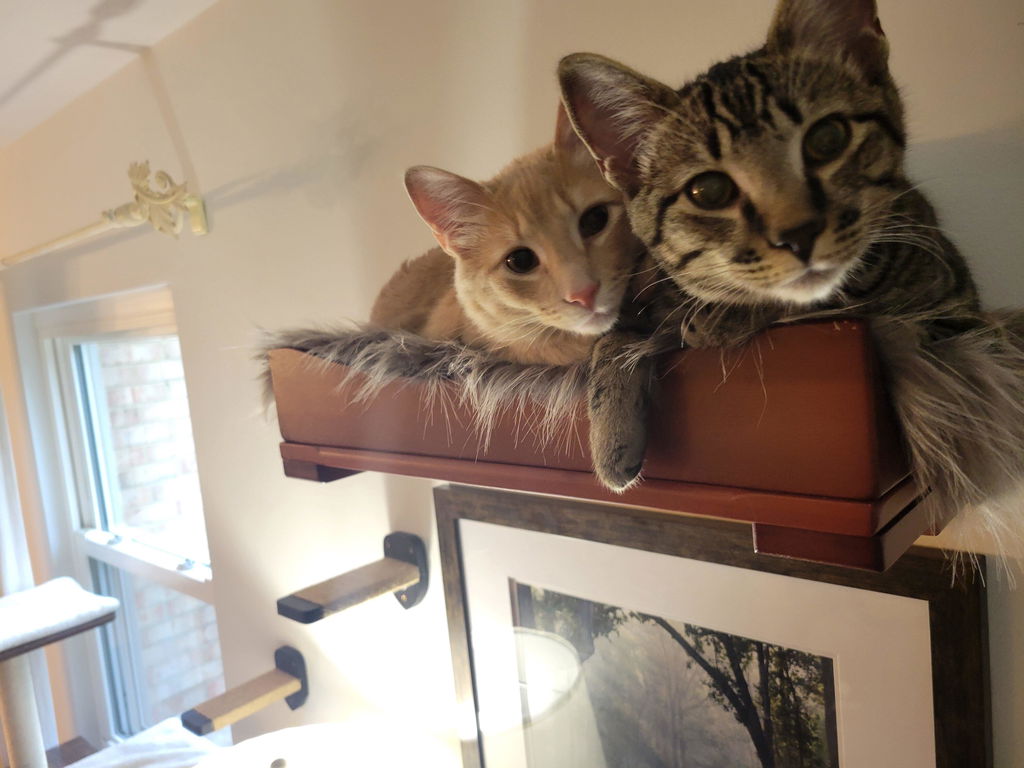
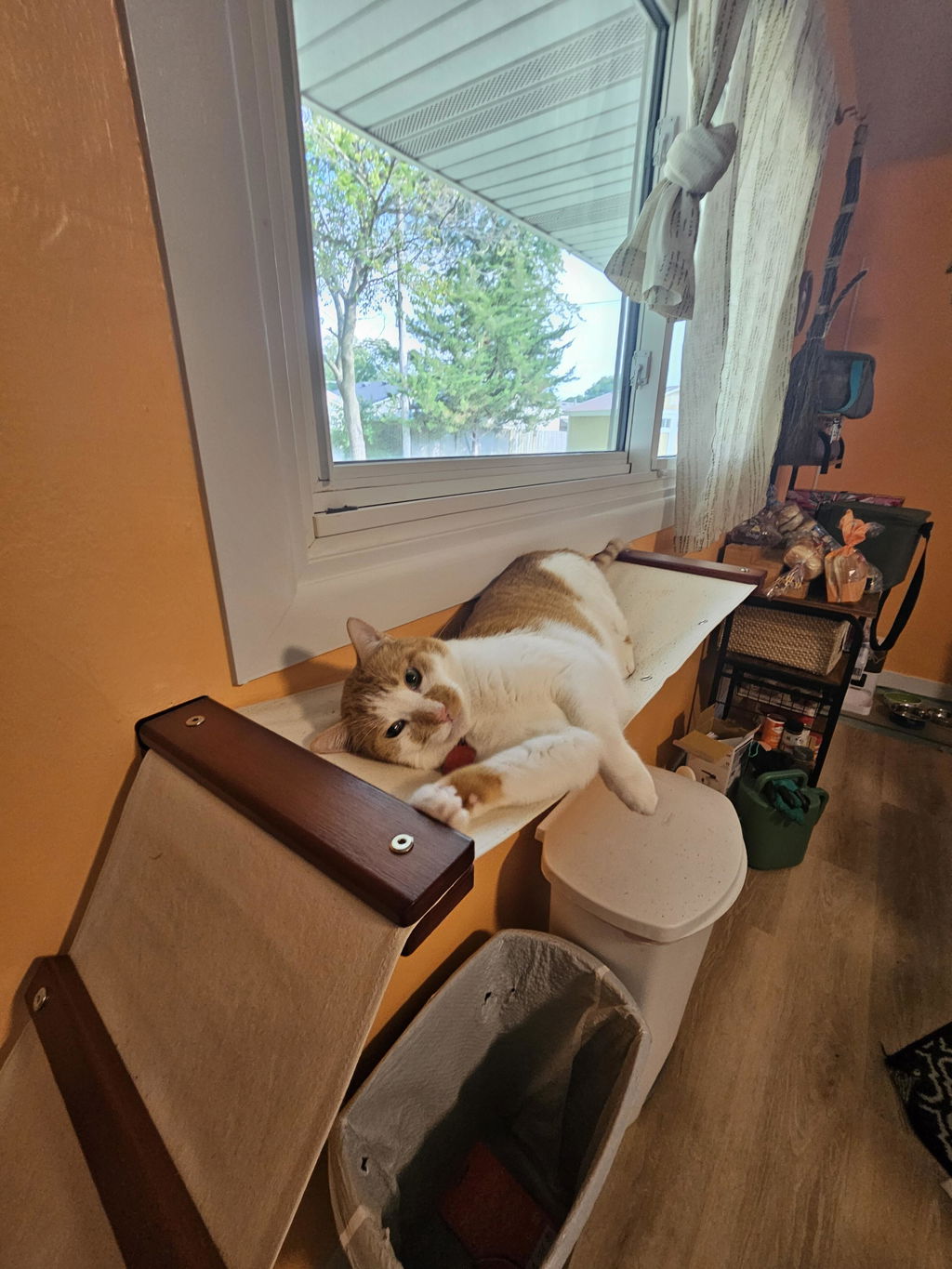
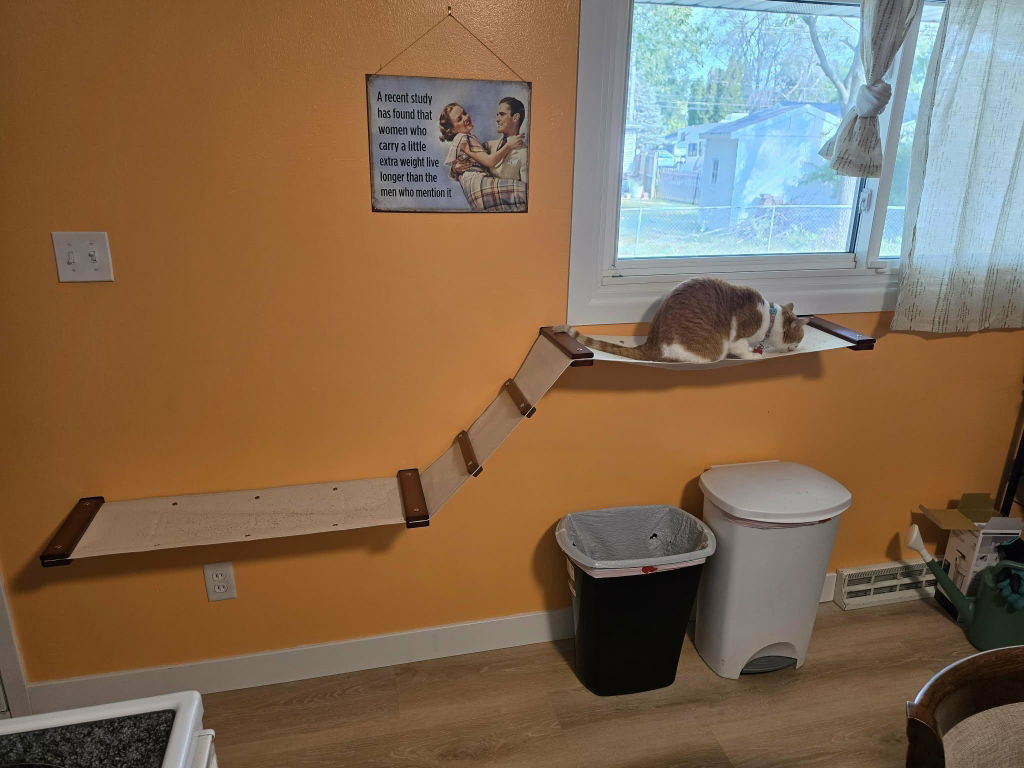
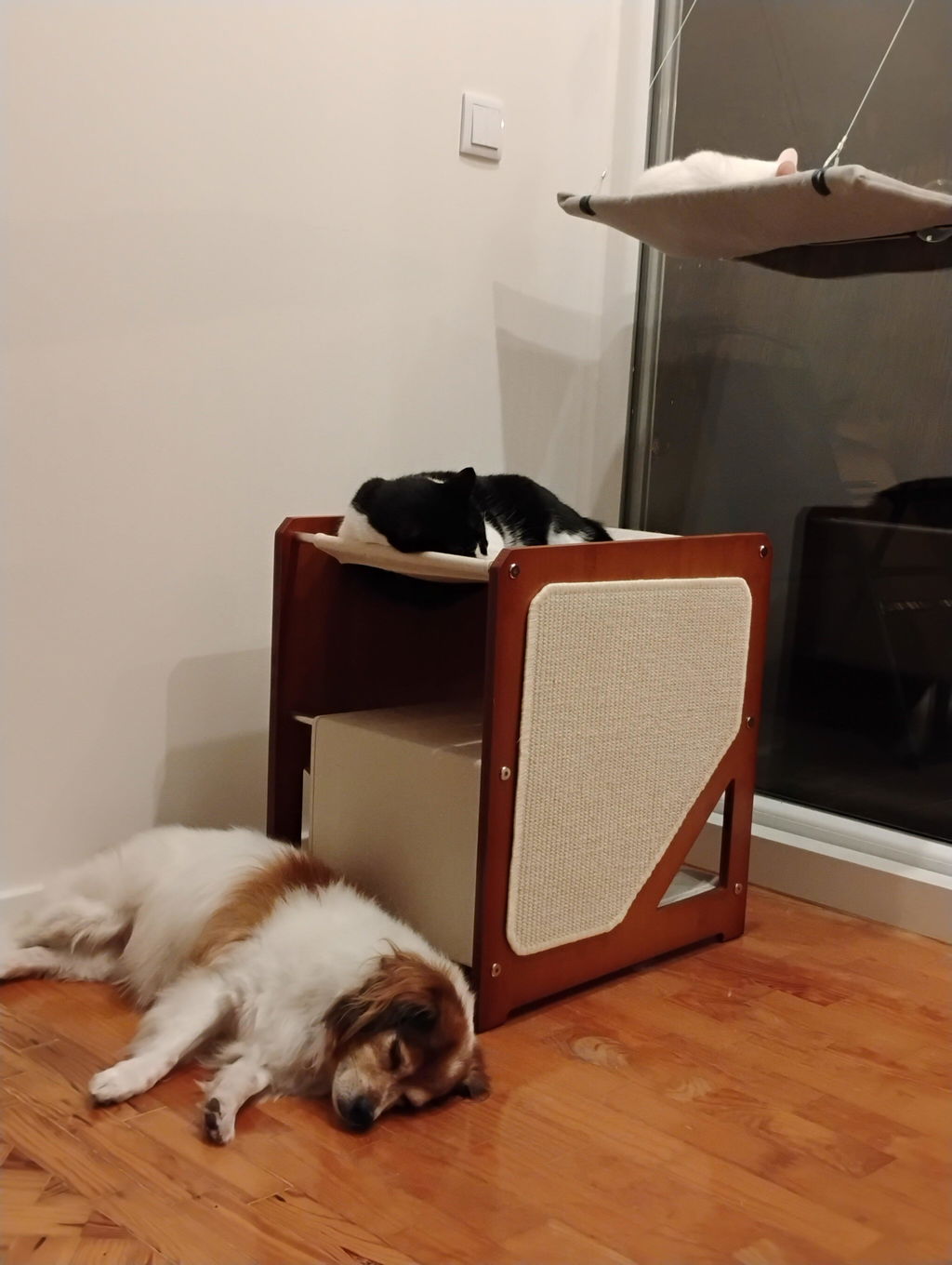
If you’re tired of your cat just sitting around, climbing shelves or hammocks can give them exciting alternatives to staring at the wall. Instead of fixating on “nothing”, they’ll be able to climb, nap, or perch. A cat scratcher or cozy hammock could also help burn off extra energy.

When to Consult a Vet
If you’re worried, and asking yourself, why does my cat just stare at the wall, or you’ve noticed your cat staring at the wall disease symptoms, it’s always better to err on the safe side. Persistent staring, especially combined with meowing, confusion, or head pressing, means it’s time to check in with your vet.
Every cat is unique, and a cat staring at the wall can mean anything from simple curiosity to a medical issue. By observing closely, and giving your cat plenty of stimulation you’ll often find it’s nothing to worry about, but when in doubt, reaching out to your vet is the safest choice.