














Bringing a cat into your life is exciting, heartwarming, and can be just a little overwhelming, especially if this is your first pet. Whether you’ve adopted a curious kitten or a wise older cat, understanding the basics of cat care for beginners is essential for building a safe and loving home. This cat care guide will walk you through the essentials, from feeding routines to indoor cat tips, with plenty of easy-to-follow cat care tips for beginners along the way.
Before diving into the specifics, it’s important to start with the basics of preparation. Just like baby-proofing a house before bringing home a toddler, setting up your space for a cat helps ensure a smoother transition for both of you. From litter boxes to lounging spots, having the right supplies and layout makes it easier for your cat to feel safe, confident, and cared for from day one.

Cats thrive on routine and stability, so building a strong foundation early can help prevent future stress and behavior issues. Think of this checklist as your starter pack: the must-have essentials every new cat parent needs to provide comfort, enrichment, and security. Whether you're welcoming a kitten or giving an older rescue a second chance, these items will support your cat’s physical health, emotional well-being, and natural instincts.
Helpful links:

Kittens and full-grown cats need different things nutritionally. Kittens need kitten-specific food with more calories and nutrients to support their growth and development. This stage of life sets the foundation for their future health, so it’s crucial to choose a high-quality diet designed just for them. Around 12 months of age, most cats transition to adult food designed to maintain a healthy weight, support digestion, and provide steady energy without excess calories.
Many cat owners combine dry and wet food. Dry food is convenient, easy to store, supports dental health, and should feature real meat as the first ingredient with minimal fillers. Wet food helps boost hydration, which is important since cats often don’t drink enough water. With that, serve it fresh and refrigerate leftovers promptly.
Offering food on a silicone lick mat can make mealtime more enriching by slowing down their eating and encouraging natural foraging behavior. Use shallow, wide bowls to prevent whisker fatigue, as cats can be sensitive to pressure on their whiskers while eating. Stainless steel or ceramic bowls are best, as plastic can harbor bacteria over time. Elevated Feeders can also help cats with joint or digestion issues by bringing the food to a more natural height.

For bonus points, let’s talk hydration and treats! Because cats often prefer moving water, fountains can encourage better hydration… just clean them regularly. Treats are great for bonding and enrichment, but should make up no more than 10% of daily calories. Use them in puzzle feeders or hide them around climbing spaces to stimulate natural hunting instincts.

Grooming is another part of regular cat care. Long-haired cats need brushing several times a week to prevent mats and tangles, while short-haired cats benefit from weekly grooming to reduce shedding and prevent hairballs.
Cats are typically quick to use a litter box if it’s clean and well-placed. The general rule of how many litter boxes to keep is one litter box per cat, plus one extra. This helps prevent territorial issues and keeps your home fresher. Scoop daily, deep clean weekly, and place boxes in quiet, low-traffic areas. If your home has multiple floors, aim to have at least one box on each level.
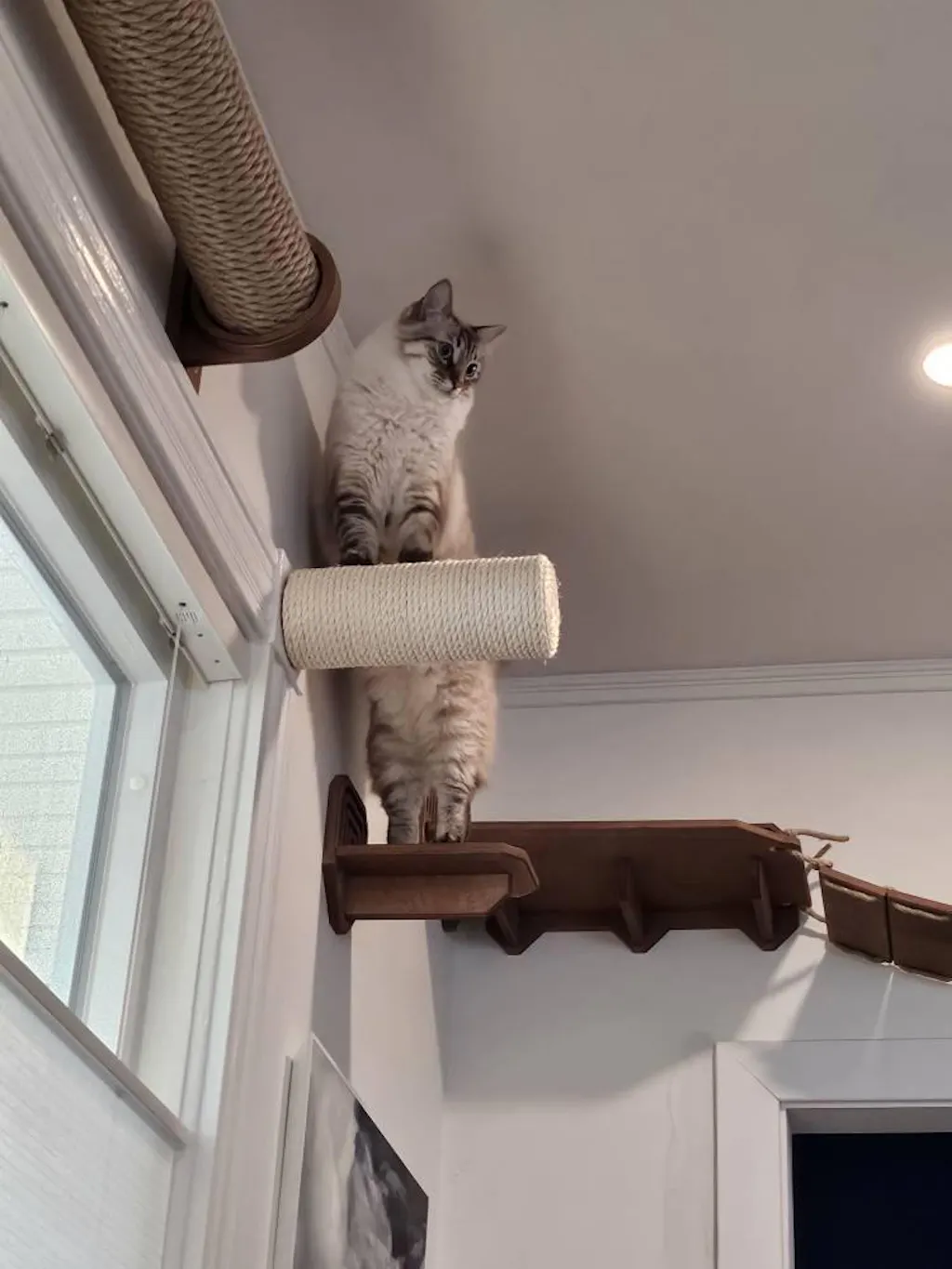
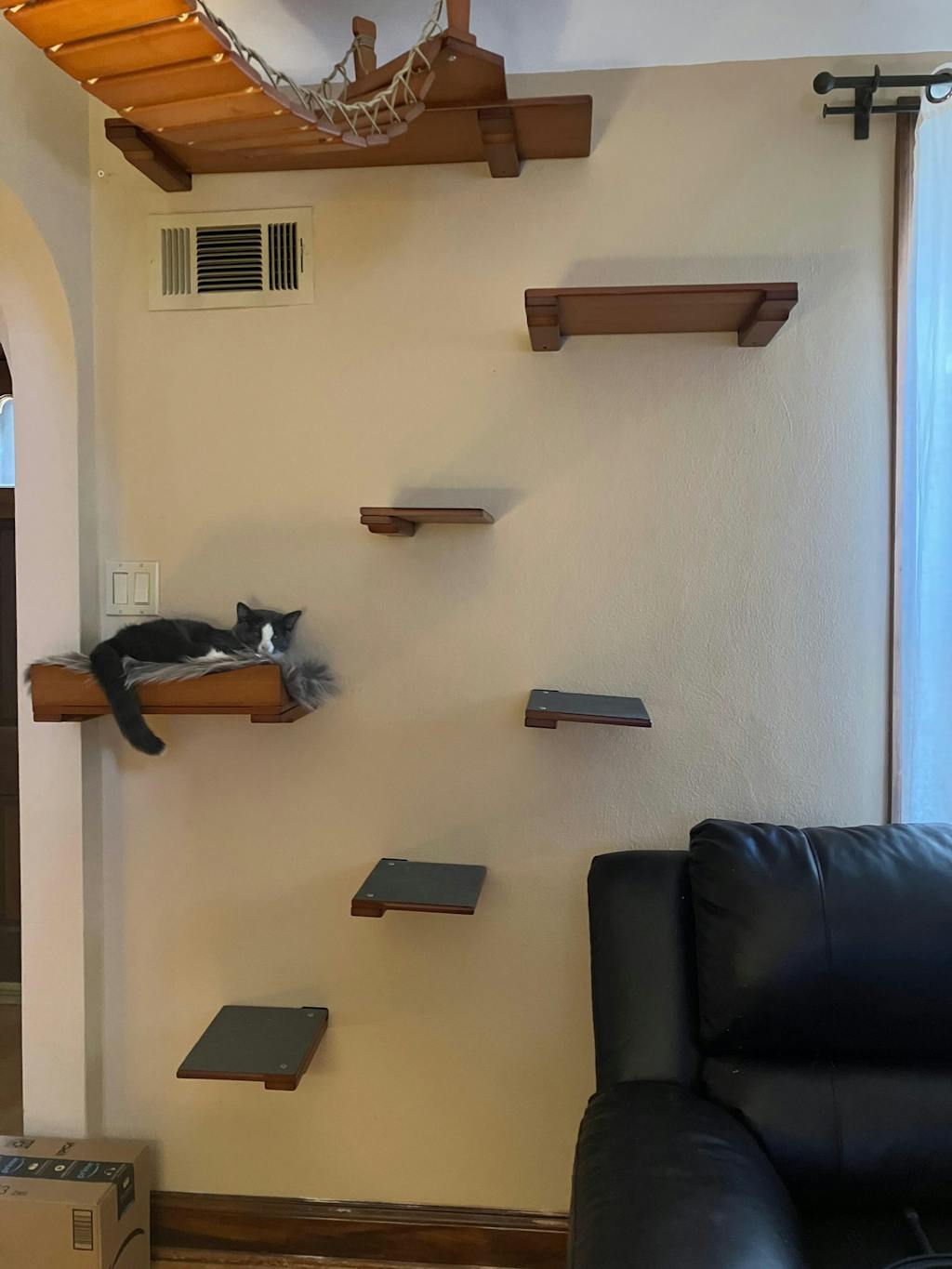
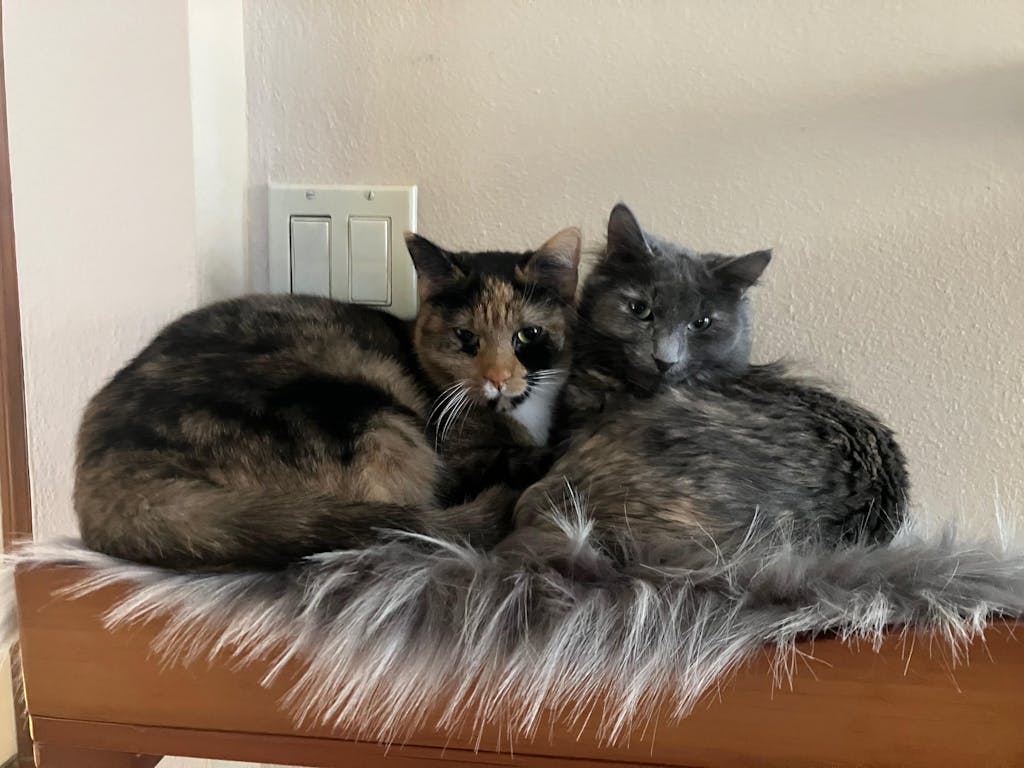
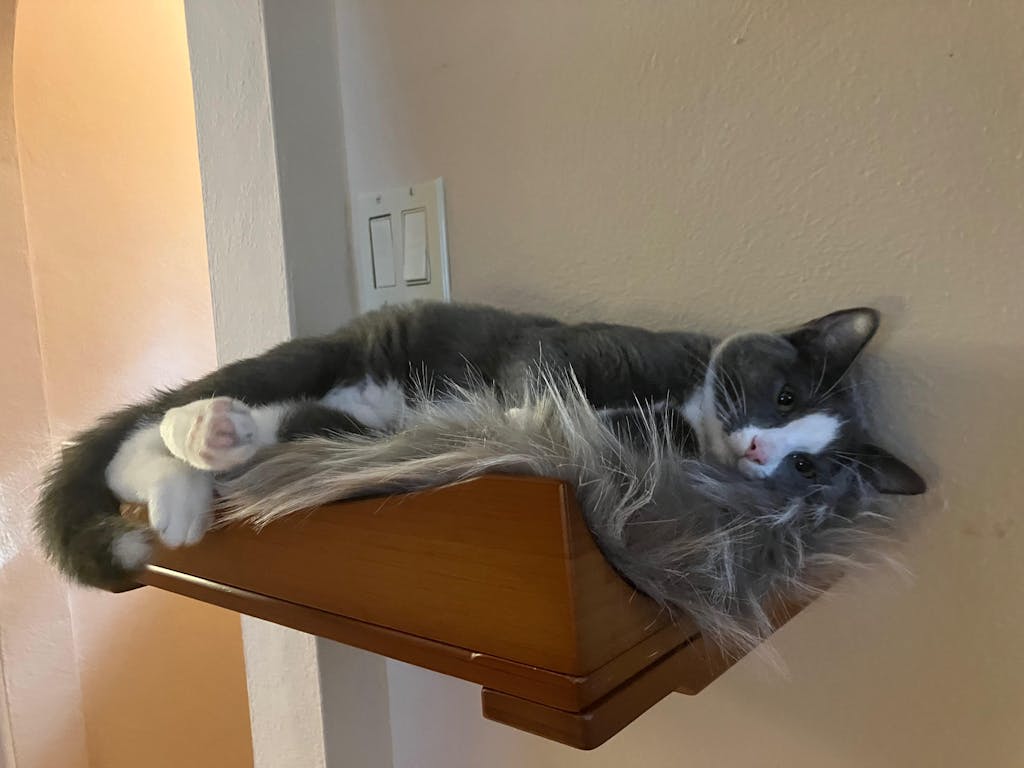
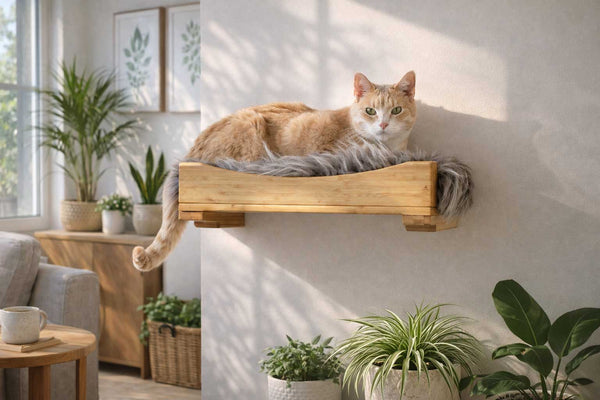
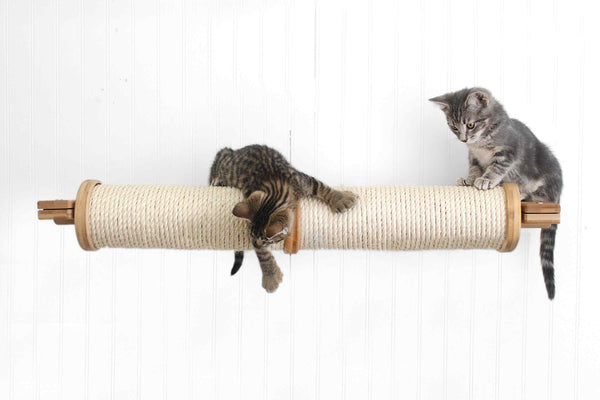
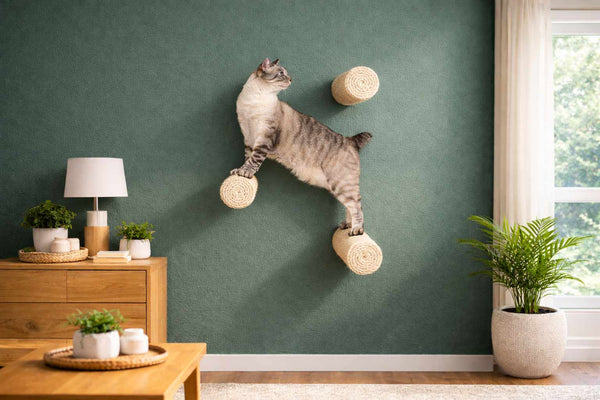
Cats love cozy places to nap and designated surfaces to scratch. A soft, secure bed offers them a safe retreat, while a durable scratching post provides a healthy outlet for their natural scratching instincts. Items like the Nest Bed offer a cozy elevated resting spot, and items like the Floating Scratching Posts give cats a satisfying surface to scratch without taking up floor space.

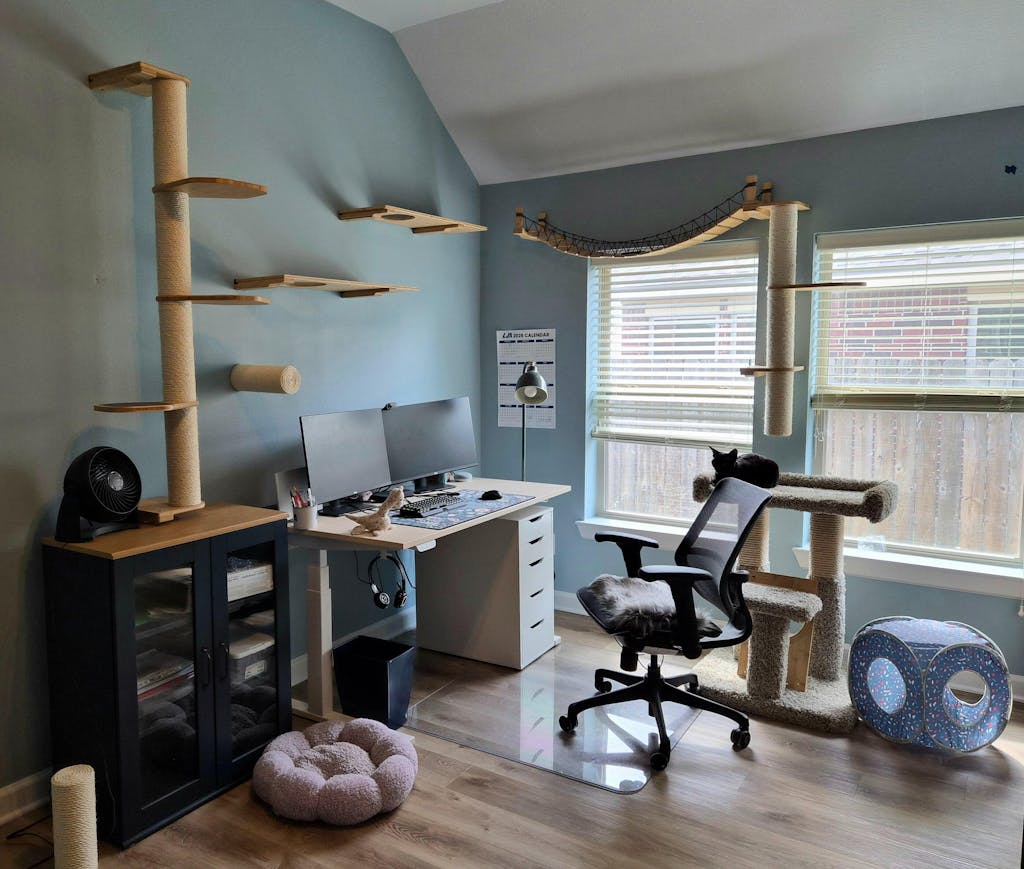
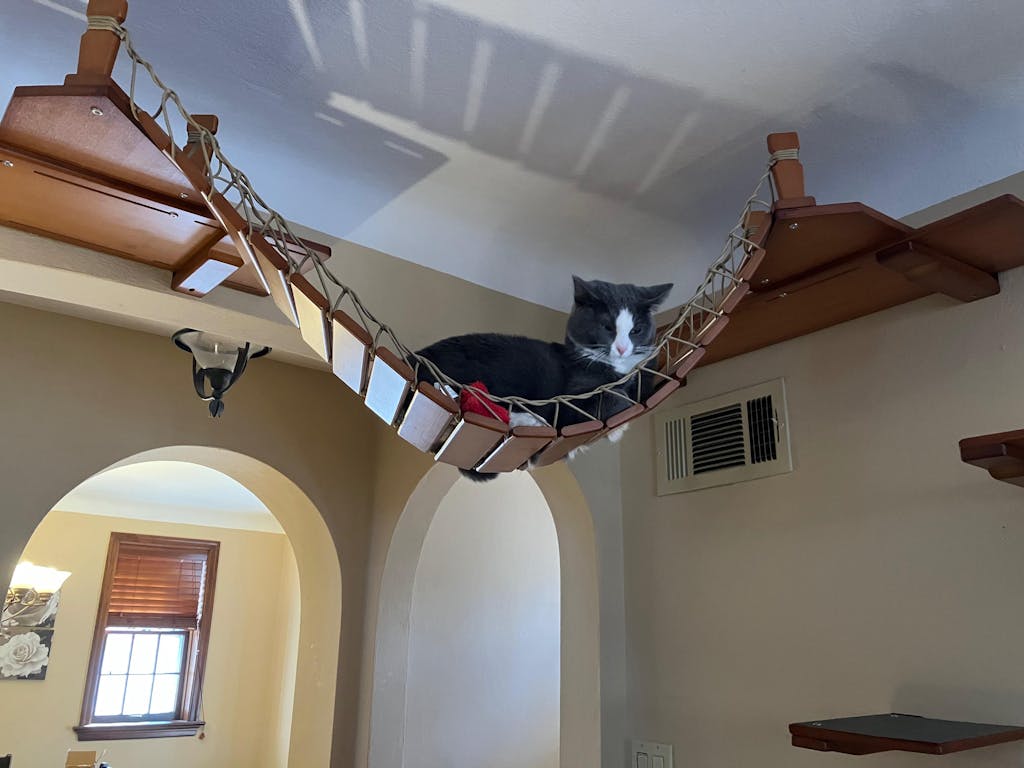
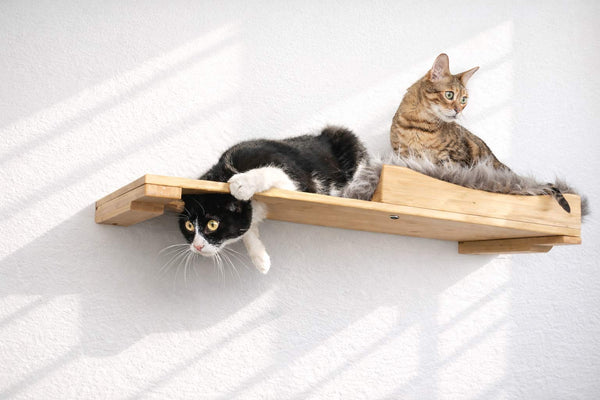
Wondering, “Can I keep a cat indoors?” The answer is yes, absolutely! In fact, indoor cats tend to live longer, healthier lives. The key is to create an engaging and enriched home that supports their physical and mental needs. That’s where our wall-mounted furniture comes in. With the right layout, you can turn any apartment or home into a stimulating cat haven.
When it comes to transport, a sturdy cat carrier is a must. Whether you're heading to the vet or evacuating during an emergency, having a secure, well-ventilated carrier on hand ensures your cat stays safe and calm. Look for one that opens from both the top and the front, and get your cat used to it by keeping it out at home and placing cozy bedding or treats inside. It’s also a good idea to get your cat microchipped and ensure they wear a breakaway collar with an ID tag. This can make all of the difference in being reunited if your cat ever gets lost.

Vet visits are part of basic cat care. Your cat should be seen by a vet at least once a year for vaccines and general health checks. Early vet visits are the perfect time to discuss flea prevention, nutrition, and microchipping. Spaying or neutering is recommended at around eight weeks to give months of age, and offers health benefits like reducing cancer risks and unwanted behaviors.
Whether you’re gathering the basics or making your space feel more like home, having a clear list can help you feel confident and prepared. Below, we’ve compiled a list to make sure you’re covering all essential areas.

When picking up your cat, place one hand behind their front legs under the hindquarters. Always lift gently, and never pick up a cat by the scruff or front legs. This helps build trust and keeps you both safe.

Spaying and neutering your pet is a vital part of responsible cat ownership. For females, it helps prevent uterine infections and breast tumors. Males are less likely to spray, roam, or develop testicular cancer. Aim to have this done before your cat is five months old.

Cats need to scratch, so it’s best to give them an outlet. Provide a scratching post or wall-mounted scratching surface early on. This saves your furniture and keeps their claws healthy.

Cats love a routine. Feed them at the same time every day and monitor their intake. If you’re free-feeding dry food, make sure to monitor how much they eat.

Scooping daily and cleaning boxes weekly is one of the simplest yet most important cat care tips. Dirty boxes can lead to inappropriate elimination or even health issues.

Rotate toys to keep things exciting. Catnip toys, feather wands, and wall-mounted furniture all offer different types of stimulation that keep cats mentally engaged.
Cats love to bird watch, but open or unsecured windows can be dangerous. Standard insect screens are not designed to hold a cat’s weight and can easily pop out if leaned on or pushed.

Make sure any window your cat can access has:
If you like to open windows often, consider installing pet resistant screens or window guards for added safety. Be especially cautious with windows that open from the top or tilt inward, as cats can become trapped in these openings.
During warmer months when windows are open more frequently, take extra time to double check that everything is secure. Even indoor cats can fall if startled by birds or sudden noises outside.

Understanding your cat’s behavior helps strengthen your bond. A flicking tail, flattened ears, or dilated pupils can signal stress or excitement. Read our article Cat Face Expressions 101- Understanding Different Cat Emotions.

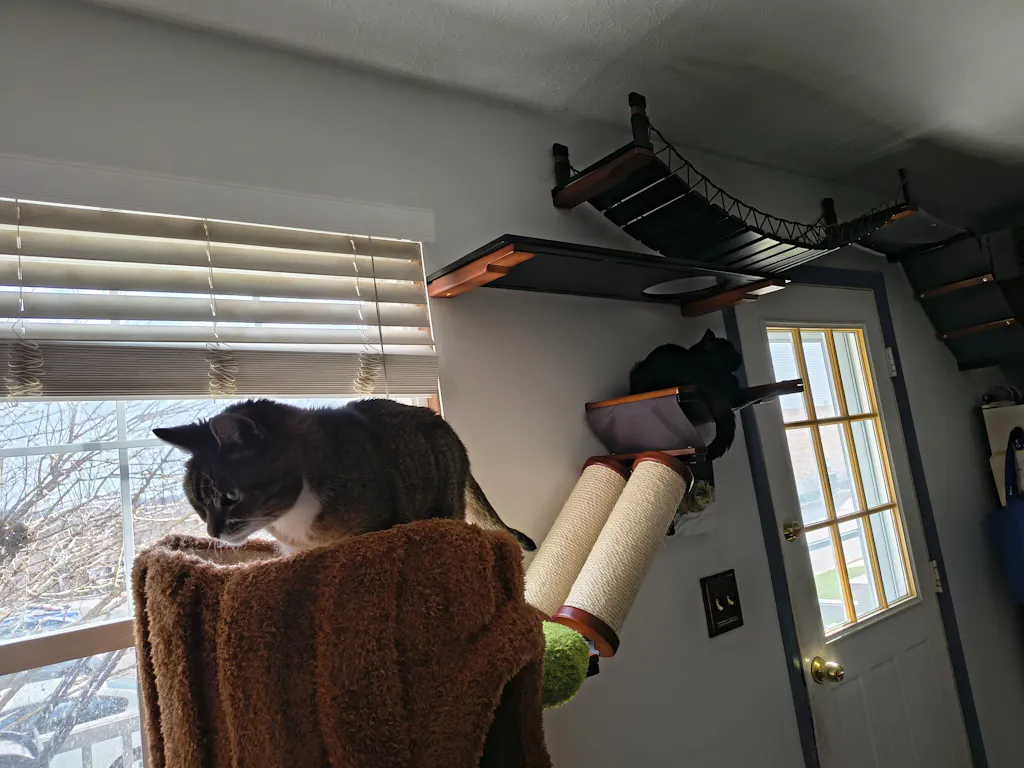
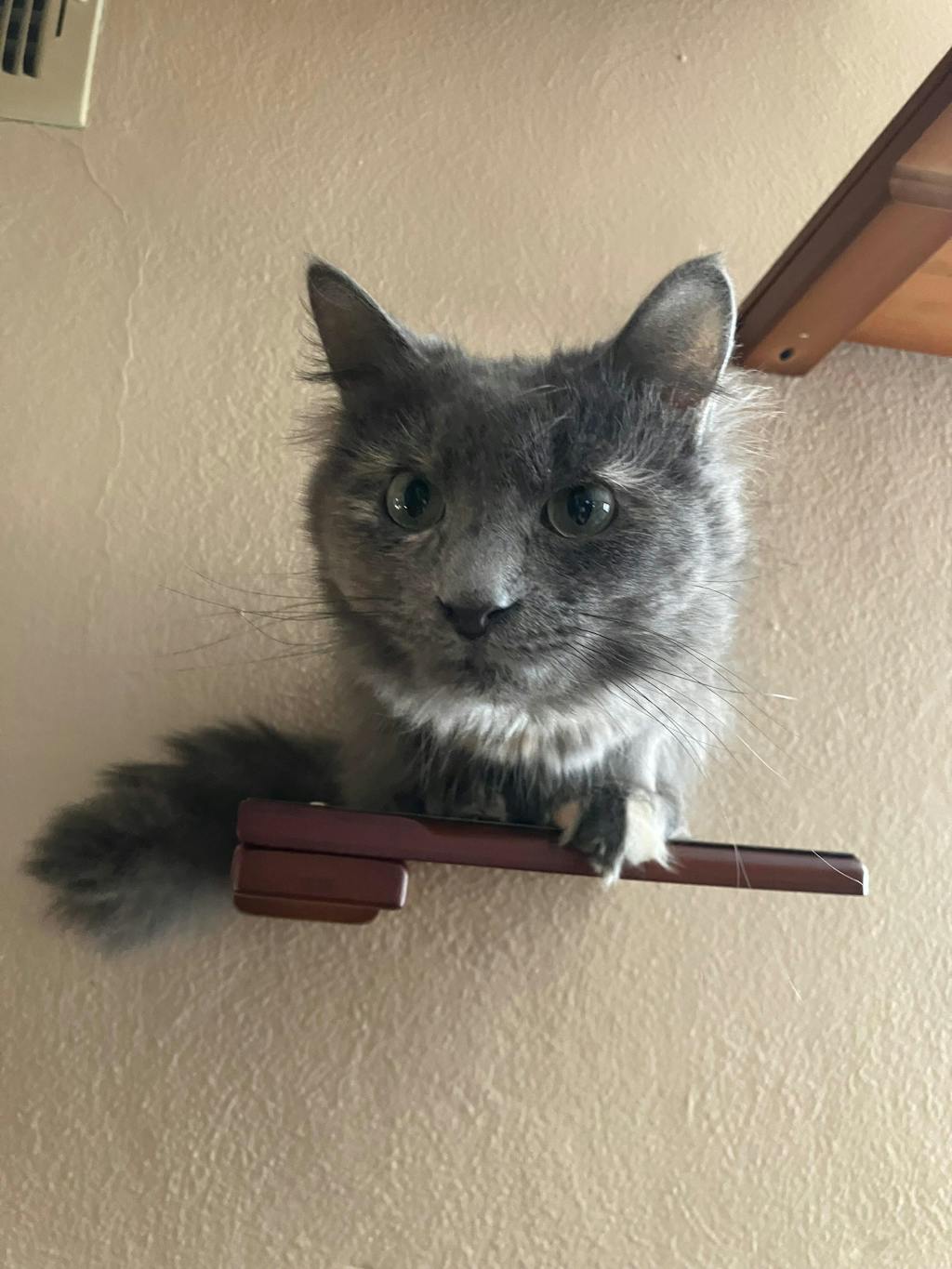
Cats instinctively seek high places where they feel safe and in control. Adding vertical features like wall-mounted shelves or cubbies gives them space to climb, nap, and observe from above. Lean on us to learn how to build the best cat playground and jungle gym.
Yes! Many cats and dogs live peacefully together. They key is slow, gradual introduction and giving your cat vertical escape routes or safe rooms where they can retreat. Supervised interactions, and patience are essential. Here is a link to an article going into more detail about introducing cats and dogs.
Happy cats are generally relaxed, playful, and curious. They groom themselves regularly, use the litter box, eat well, and engage with you and their environment. Purring, slow blinking, and gentle headbutts are all great signs too. Here is a link to an article going over cat face expressions.
Interactive play sessions are key. Laser pointers, feather toys, and climbing furniture help. Wall-mounted options like our Floating Post or Cubby can add enrichment and promote movement throughout the day. Here is a link to an article going over cat exercises.