
If you share your home with a cat, you’ve probably wondered whether a cat tree is actually necessary. Many owners ask questions like “Is it okay to not have a cat tree?”, “What do vets say about cat trees?”, or even “Are cats happier indoors or outdoors?”
The truth is that cats naturally seek height, territory, and stimulation. In the wild, they climb trees to observe their surroundings, stay safe, and rest above ground. Indoor cats still carry those same instincts, which is why many veterinarians and feline behaviorists recommend providing vertical space like cat trees, shelves, or other wall furniture.
Still, a cat tree isn't the only solution for every home. Some cats prefer shelves, window perches, or other climbing routes. The key is understanding what your cat actually needs and how to provide it in a way that works for both of you.

What a Cat Tree Really Does for Your Cat
Supports Natural Feline Instinct
-
Cats instinctively seek high vantage points to observe their surroundings and feel safe.
-
Climbing and perching mimic outdoor behaviors while keeping cats secure indoors.
-
Many experts address questions like “What do vets say about cats in trees?”, and most veterinarians agree that vertical climbing supports natural instincts and reduces stress.
-
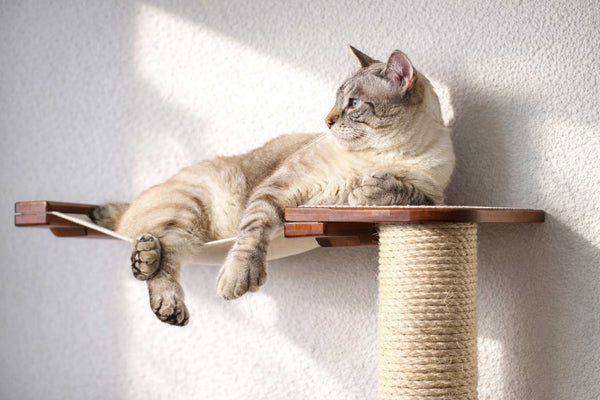
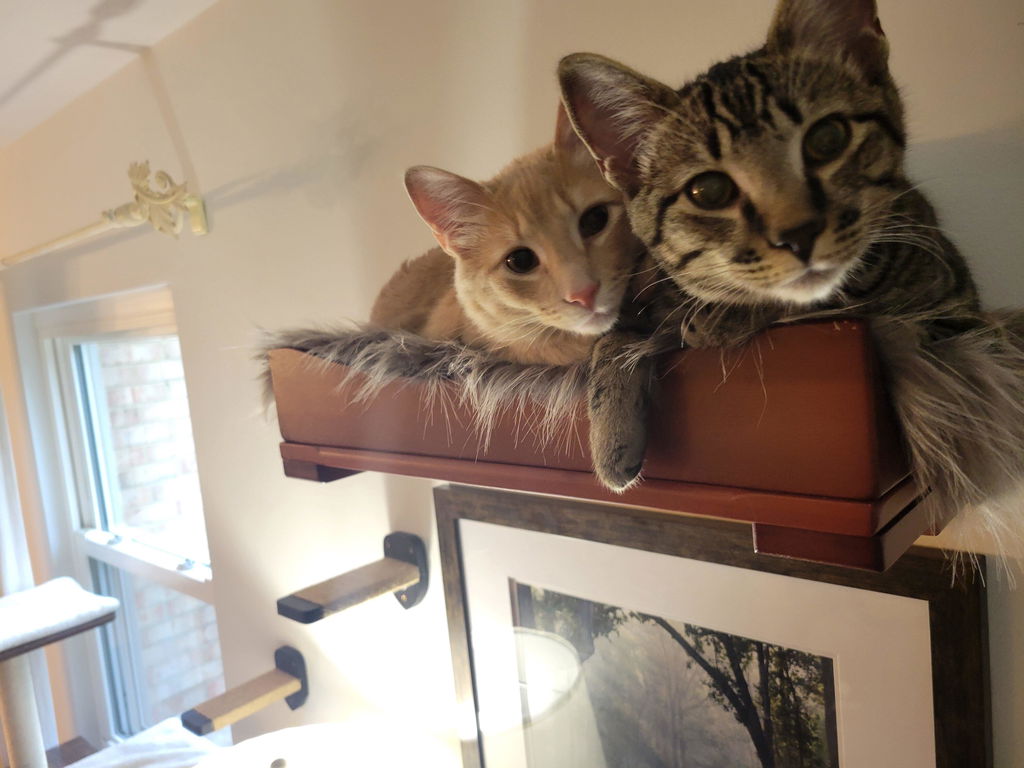
Elevated spaces allow cats to monitor their territory, rest comfortably, and retreat when they want privacy.
Gives Your Cat Exercise and Physical Activity Indoors
-
Indoor cats often have fewer opportunities for movement than outdoor cats.
-
Climbing up and down a cat tree helps strengthen muscles and support joint mobility.
-
Regular activity encourages daily exercise and helps keep cats physically healthy.
-
Maintaining movement is important because obesity is sometimes referred to as “What is the silent killer of cats?” due to its long-term health risks.
Fulfills Your Cat’s Behavioral Needs
-
Cats need to express natural behaviors like scratching, exploring, climbing, and resting.
-
Elevated resting spots help cats feel safe and mentally stimulated.
-
Without proper outlets, cats may become bored or frustrated and develop destructive habits.
-
Owners often ask “What annoys cats the most?”, and lack of stimulation is a common answer. Wondering if your cat is bored? See our guide here.

Benefits of Having a Cat Tree
Cats may spend a lot of time sleeping, but their bodies and minds are built for climbing, exploring, and observing their surroundings from above. In the wild, cats naturally seek high vantage points where they can watch their territory, stay safe, and rest comfortably.
A well-designed cat tree helps recreate these natural behaviors inside your home. By providing vertical space, climbing opportunities, and elevated resting areas, a cat tree can support both the physical and mental wellbeing of indoor cats.
Below are some of the key ways a cat tree benefits your cat’s health, behavior, and overall quality of life.
Scratching Outlets and Furniture Protection
-
Built-in scratching posts satisfy a cat’s natural urge to scratch.
-
Scratching helps cats maintain healthy claws and stretch their muscles.
-
Cats also use scratching to mark territory through scent glands in their paws.
-
Providing a dedicated scratching surface can help protect couches, carpets, and other furniture.
Better Multi-Cat or Multi-Pet Household Dynamics
-
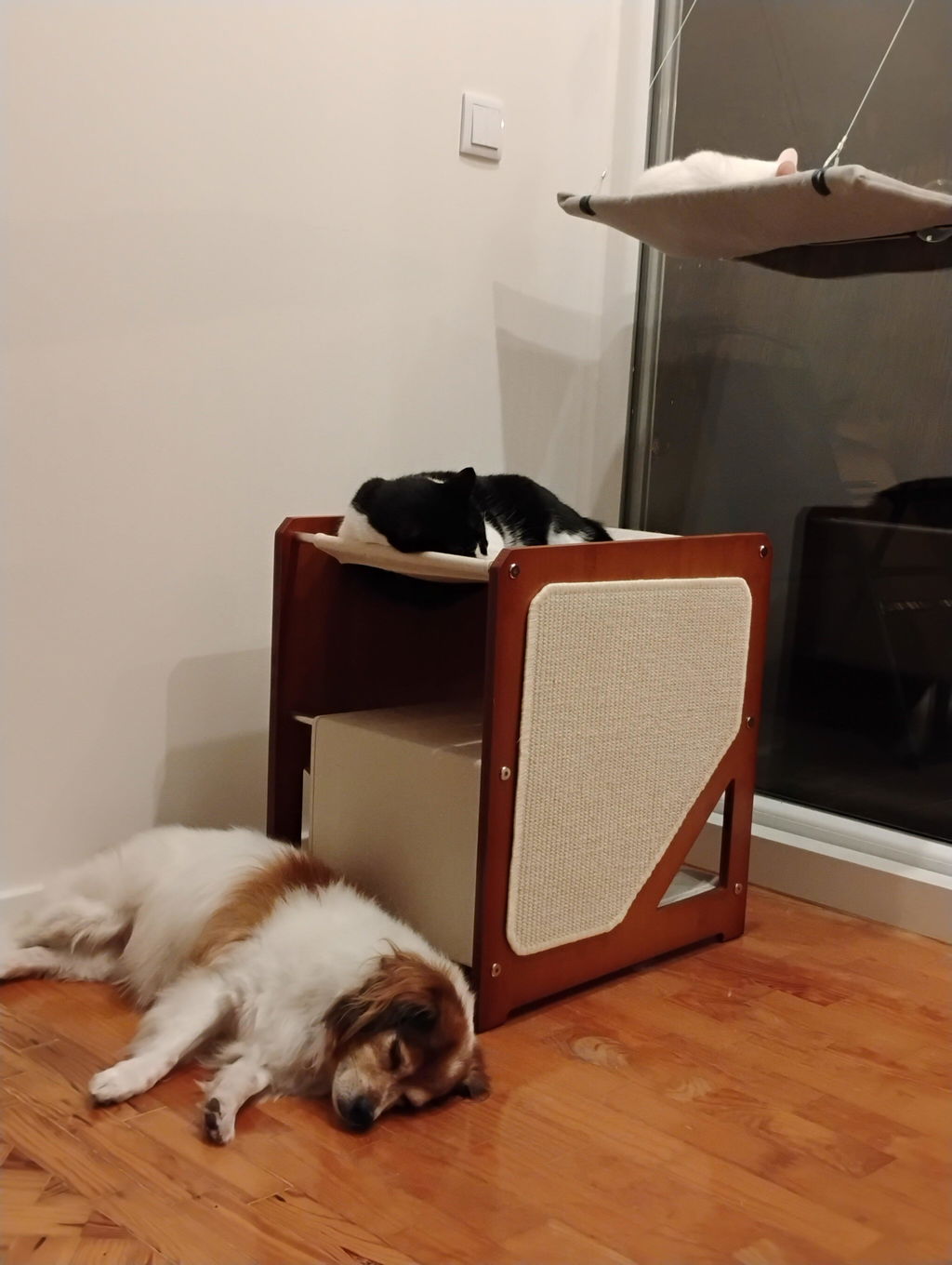
Vertical territory is especially helpful in homes with multiple pets.
-
Cat trees allow cats to climb above shared spaces and avoid conflict.
-
Different levels give each cat their own area to rest or observe the room.
-
This can help reduce tension and competition over shared floor spaces. See more tips here.
Mental Engagement and Stress Relief
-
Observation platforms give cats a place to watch household activities or look out windows.
-
Environmental enrichment keeps cats mentally engaged and curious. See cat enrichment explained here.
-
Elevated resting spots can help reduce boredom and support a calmer, happier indoor cat.
Common Reasons Owners Ask: “Is a Cat Tree Worth It?”
Even when cat owners understand the benefits of climbing furniture, many still have practical concerns before bringing one into their home. Questions about space, design, and whether a cat will actually use the tree are some of the most common things people ask when considering one.
Below are a few of the situations cat owners frequently run into and some simple ways to address them.
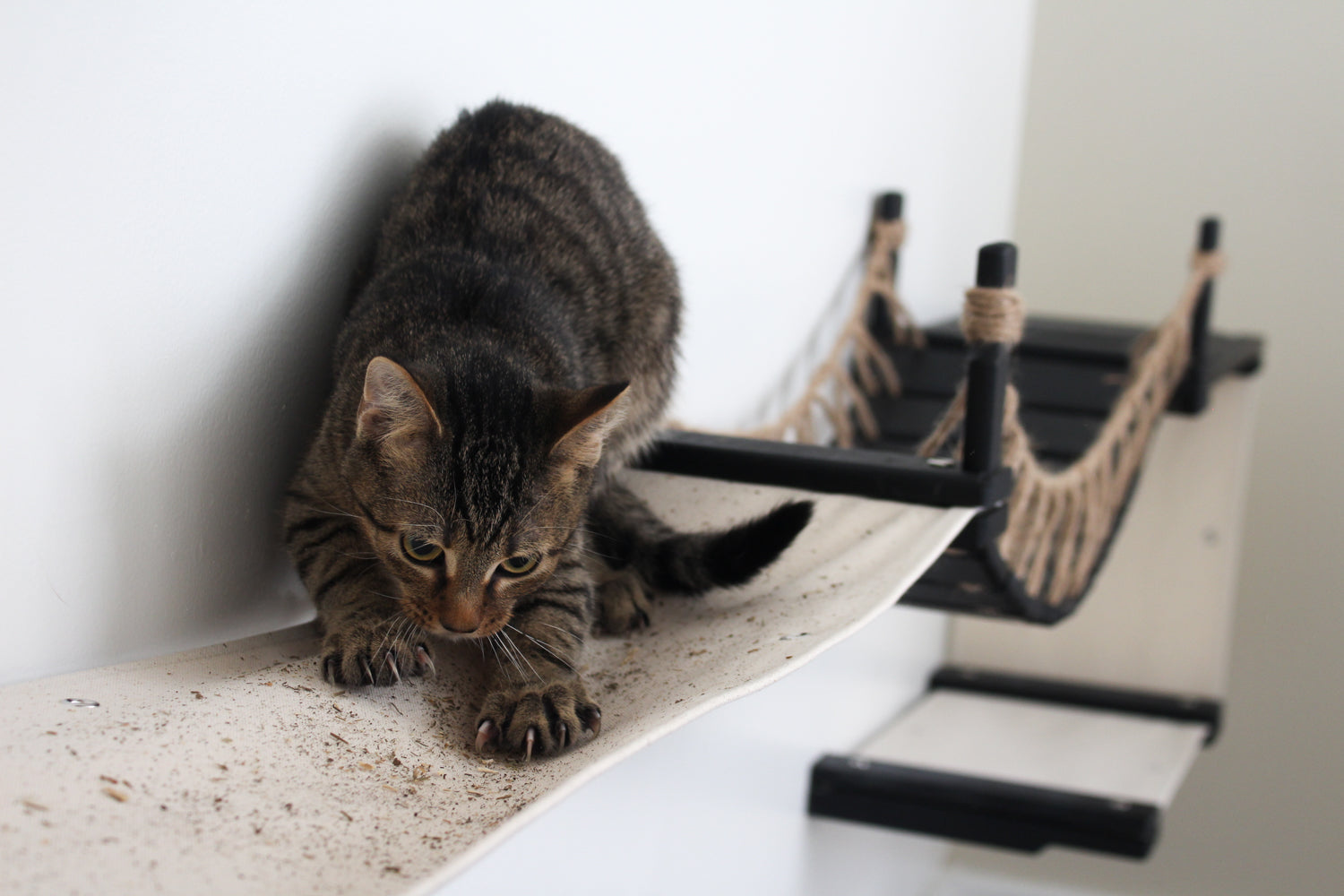
My cat doesn’t use its cat tree… now what?
Not every cat immediately loves a cat tree. Some cats may prefer lower perches, softer surfaces, or different textures.
If your cat ignores a new tree, try placing it near a window, adding treats or toys to the platform, or sprinkling a little catnip on the scratching posts. Cats are more likely to use climbing furniture that's located in areas where they already spend time.
For kittens, owners sometimes wonder “Is it okay to let a kitten roam the house at night?” Providing a designated climbing and resting area can help guide their nighttime activity while keeping them mentally stimulated.
There’s no space in my home for a cat tree, and they’re an eyesore.
Large floor cat trees can feel bulky, especially in smaller homes or apartments. Many modern cat owners want something that blends into their décor rather than dominating the room.
Fortunately, there are many space-saving alternatives that provide the same enrichment without taking up valuable floor space.

Alternatives and Enhancements to Traditional Cat Trees
While traditional cat trees can provide enrichment, they are not the only option available. Many cat owners are now looking for solutions that better fit their living space, home design, and their cat’s natural climbing behavior. Fortunately, there are several alternatives that can offer the same benefits while taking up less space and blending more naturally into the home.
Below are a few popular options that provide cats with climbing opportunities, observation points, and comfortable resting areas without the bulk of a traditional floor cat tree.
Wall-Mounted Cat Furniture
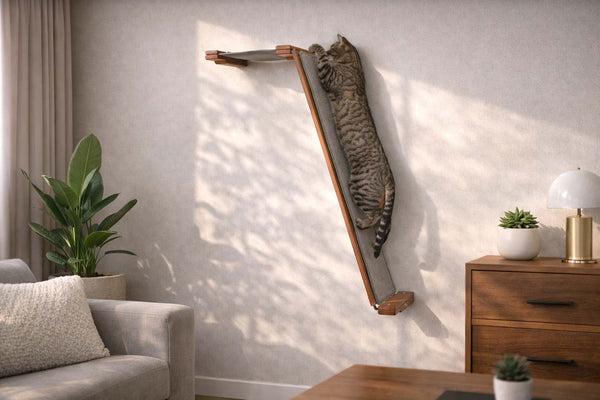
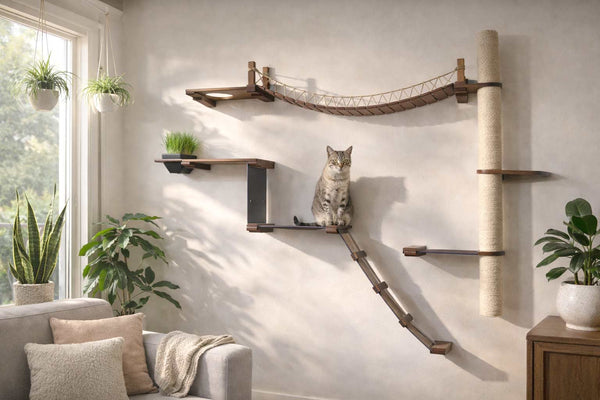
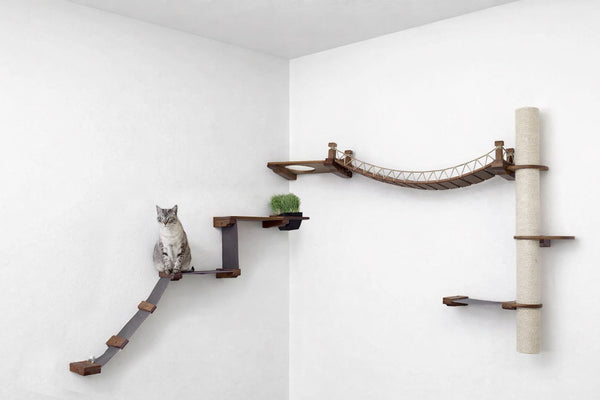
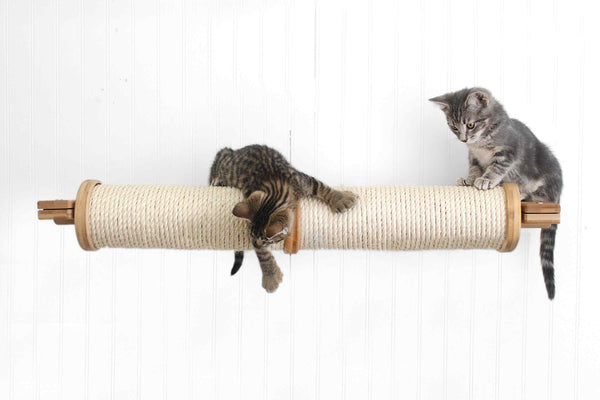
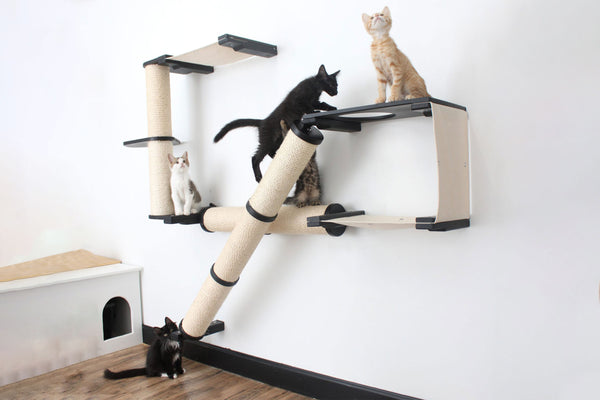
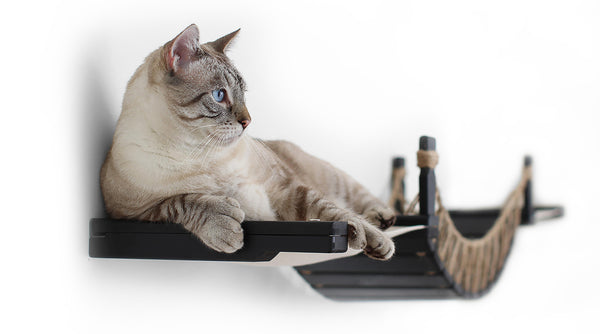
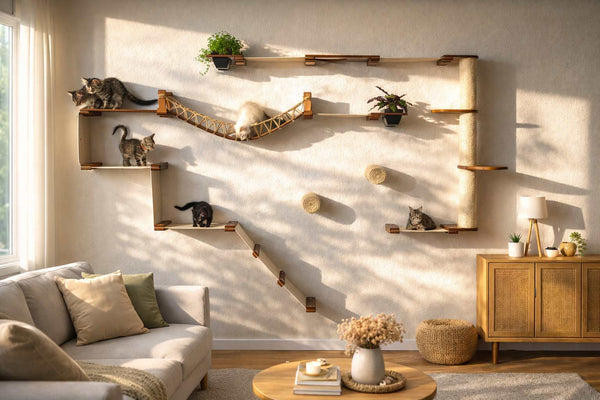
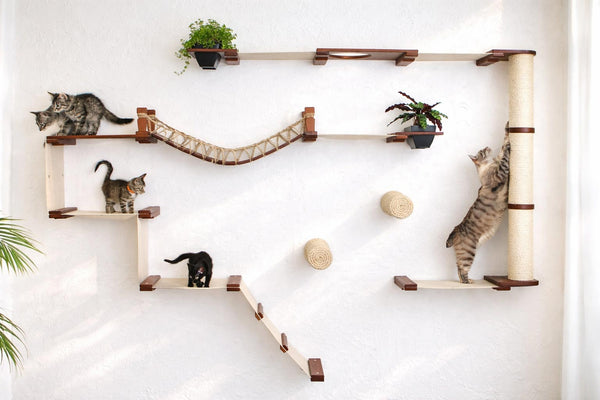
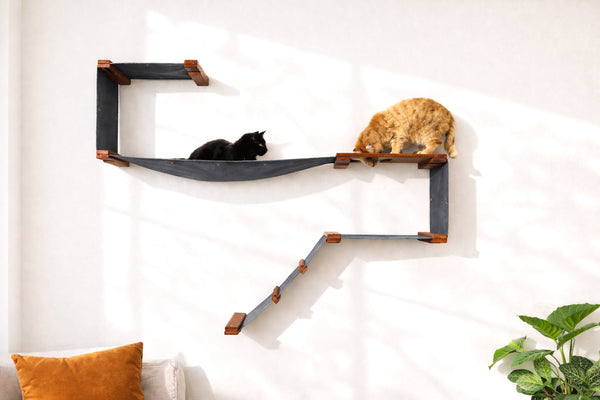
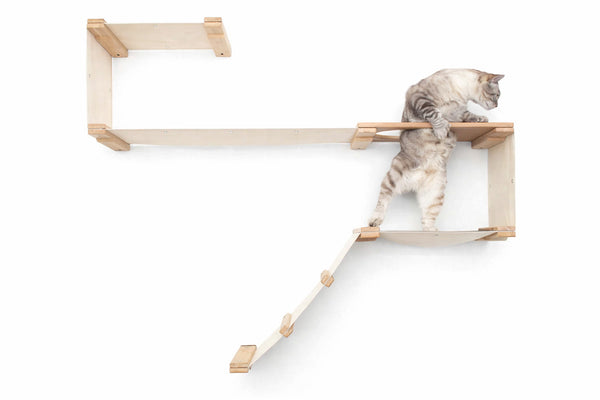
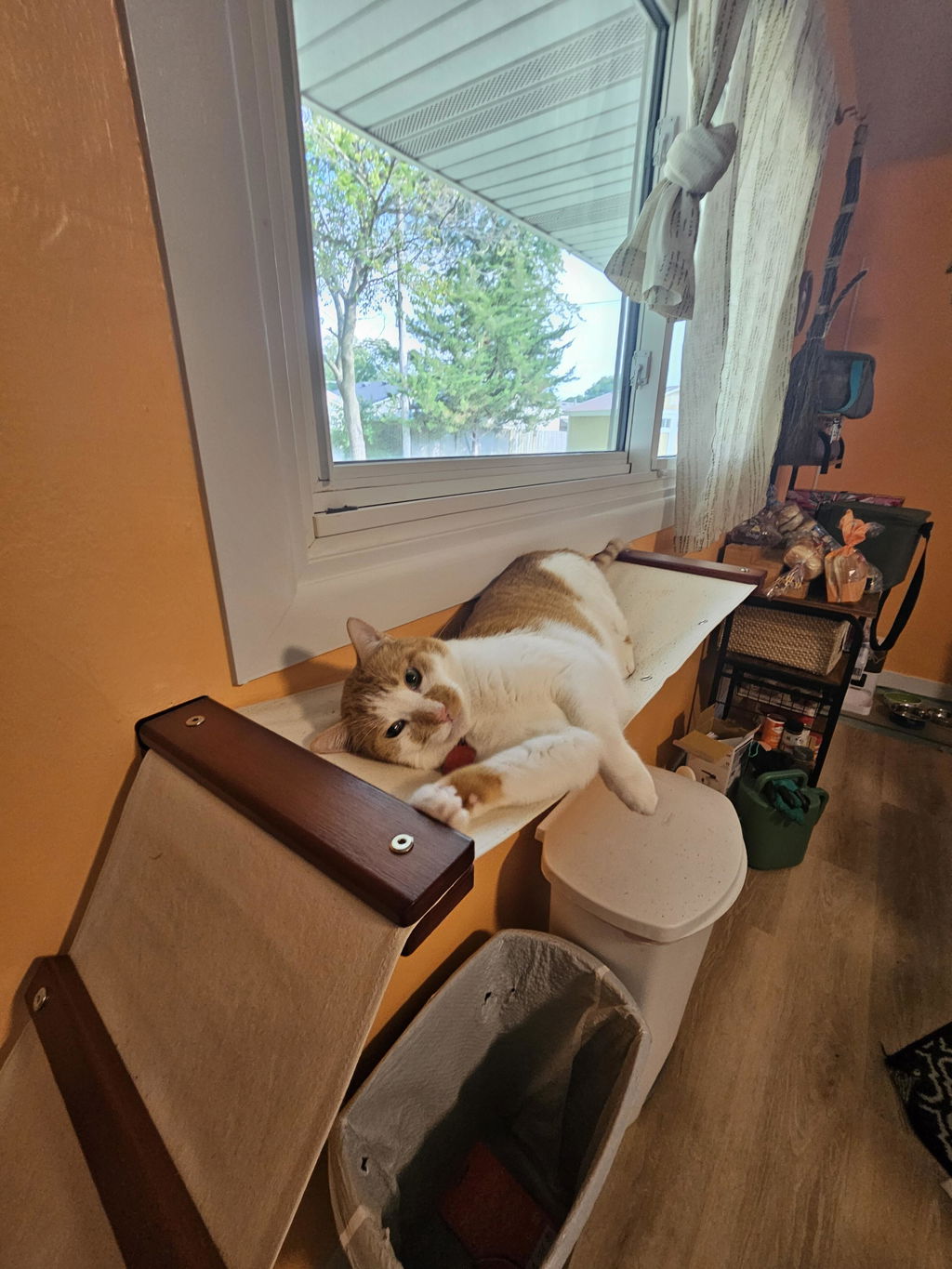
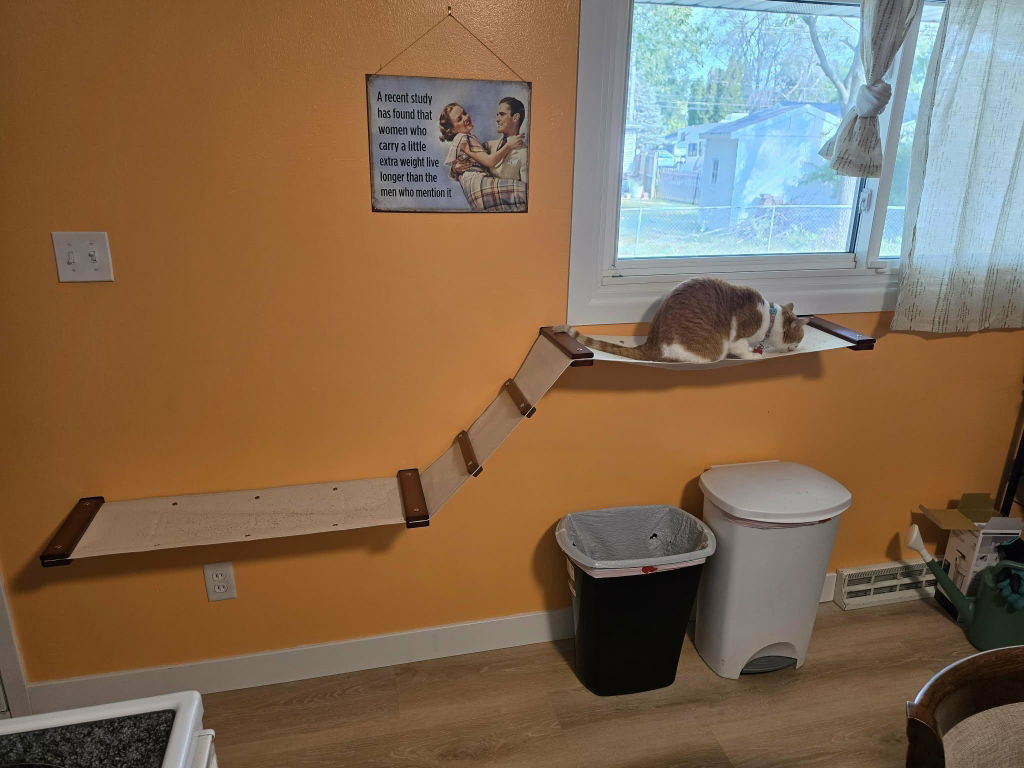
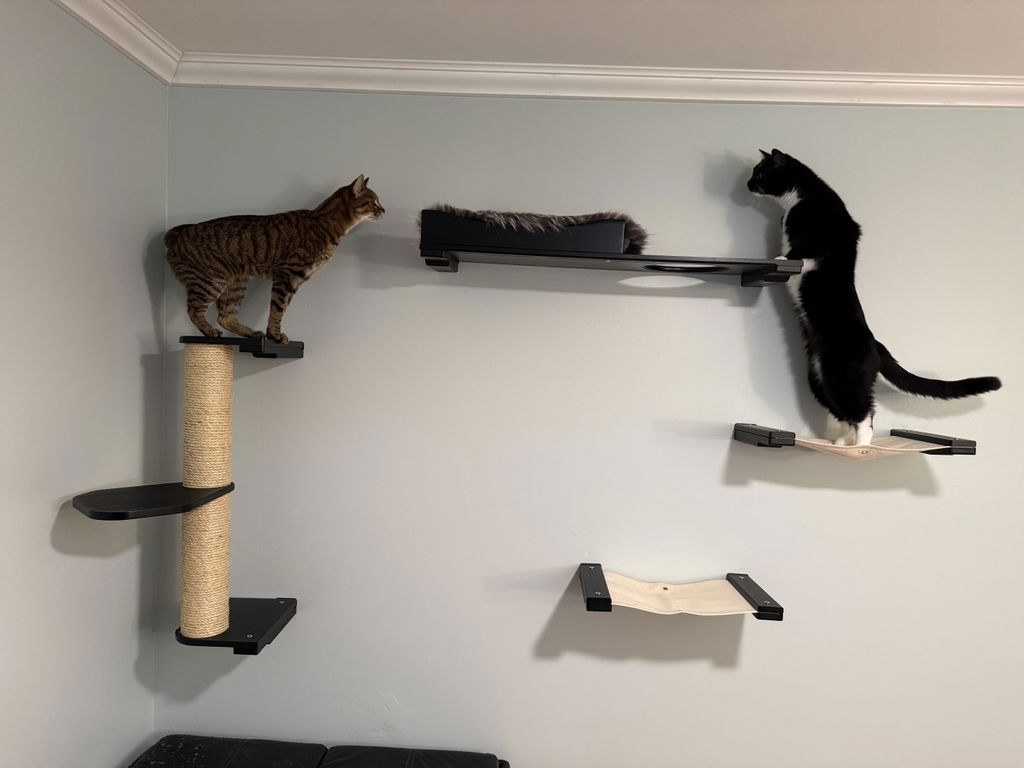
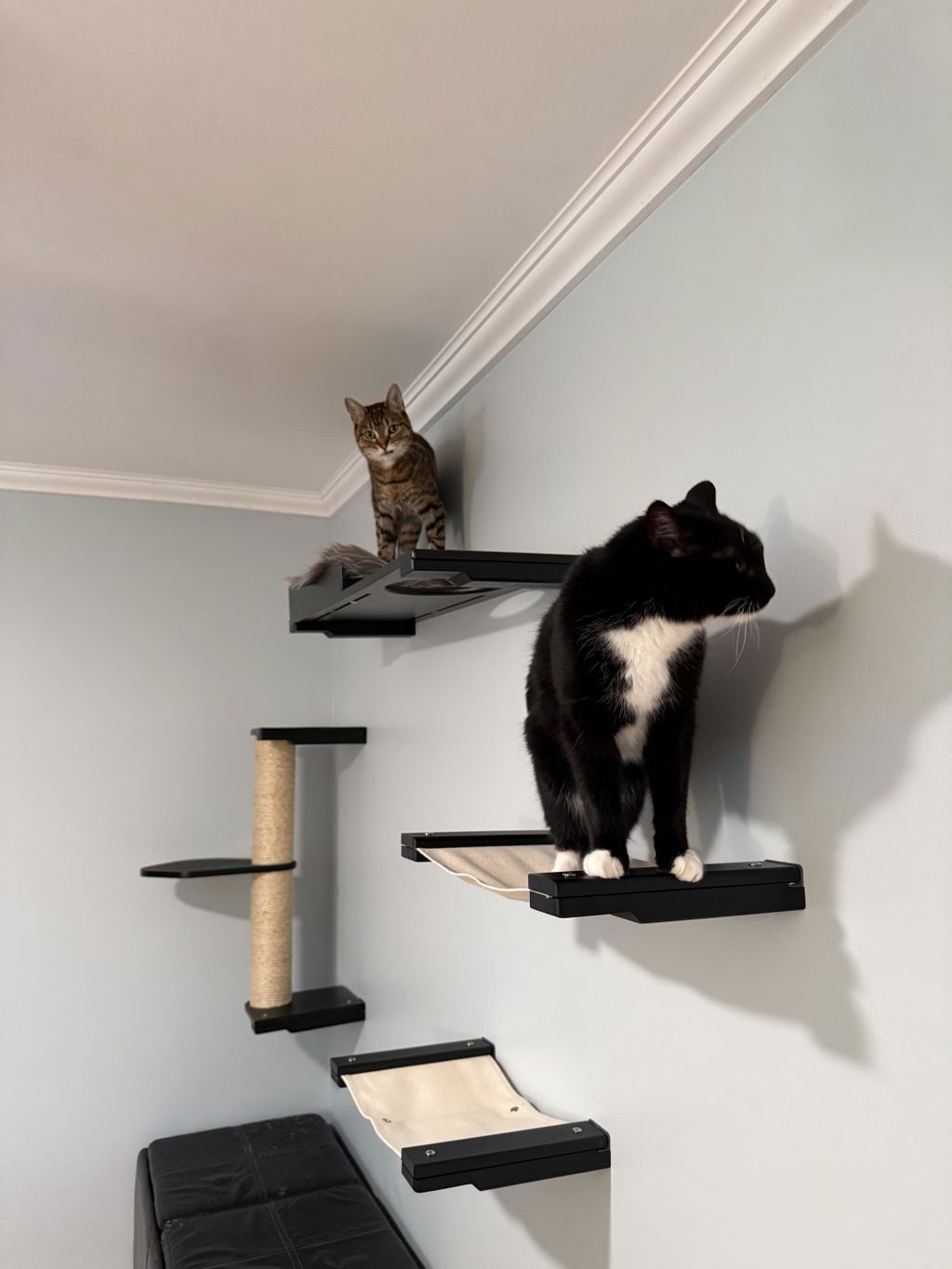
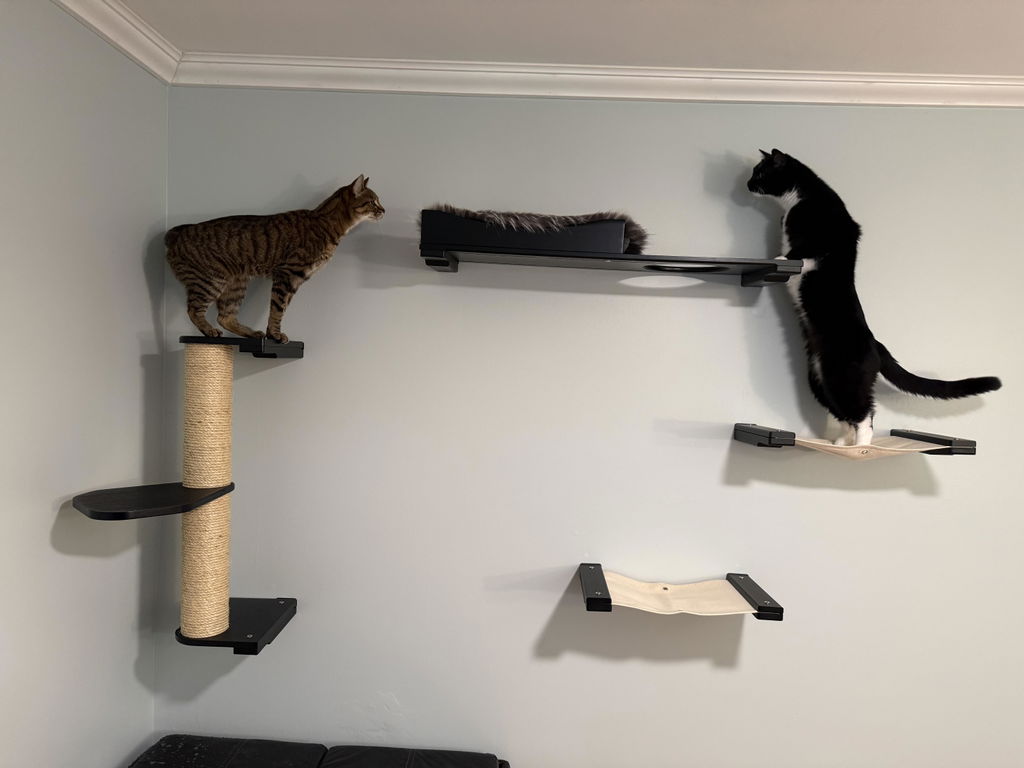
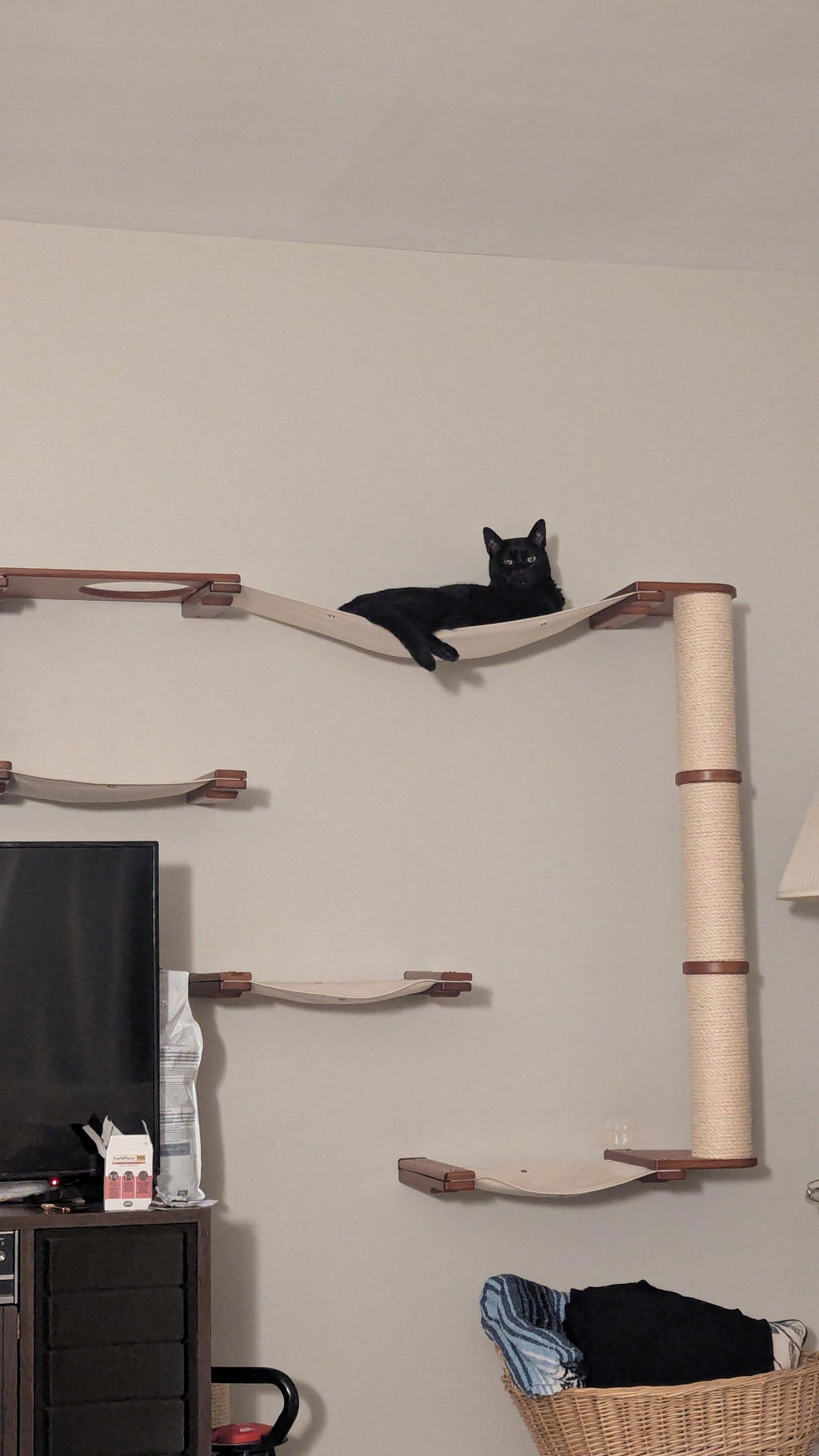
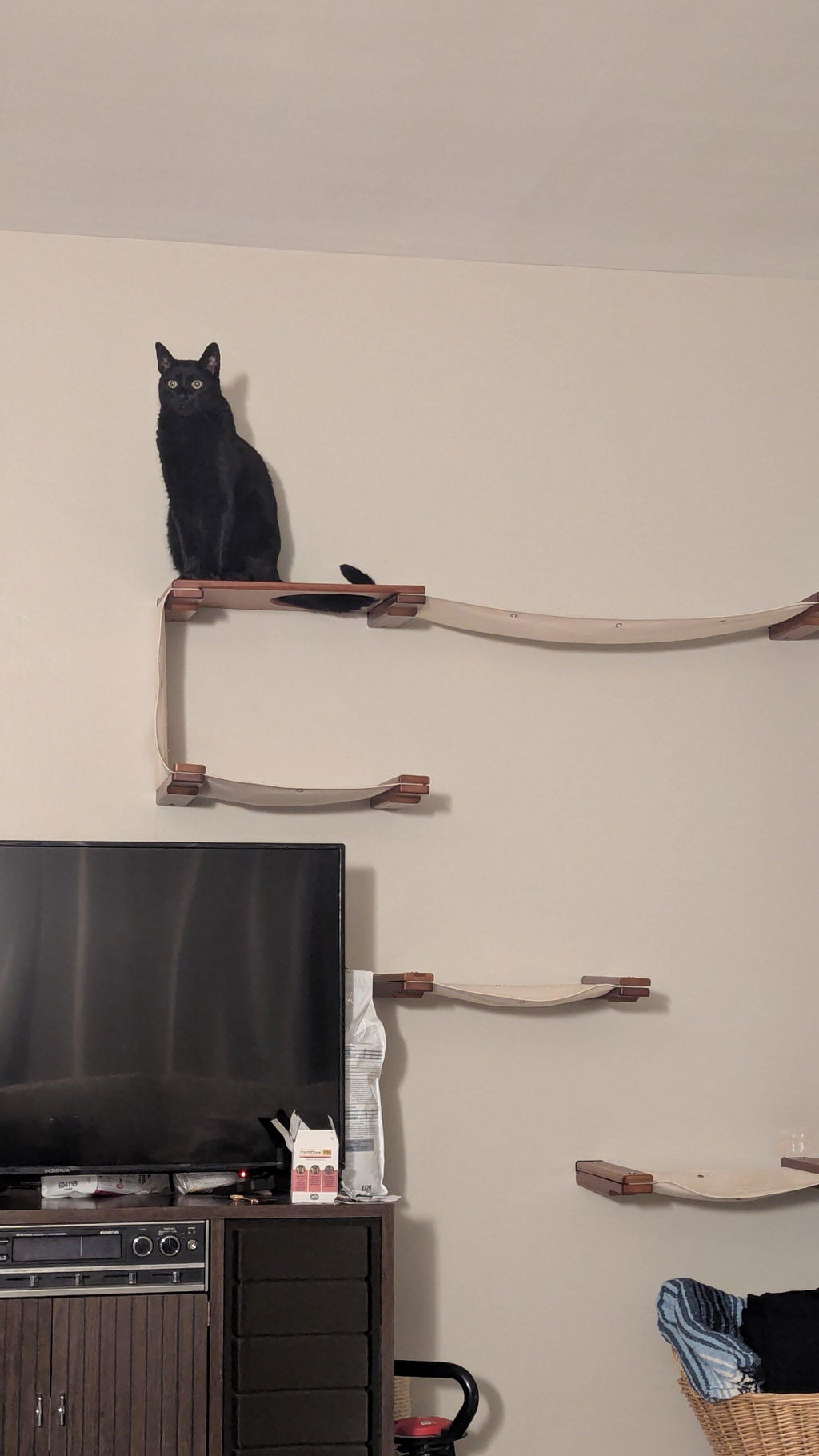
Wall-mounted cat furniture creates climbing routes along the wall instead of on the floor. These systems allow you to build vertical pathways that match your space and your cat's energy level.
They’re especially useful in smaller homes because they transform unused wall space into a climbing environment. Customizable layouts can connect shelves, hammocks, and scratchers into a full activity wall. If you would like help designing your space, please fill out the form linked here.

Window Seats & Observation Points
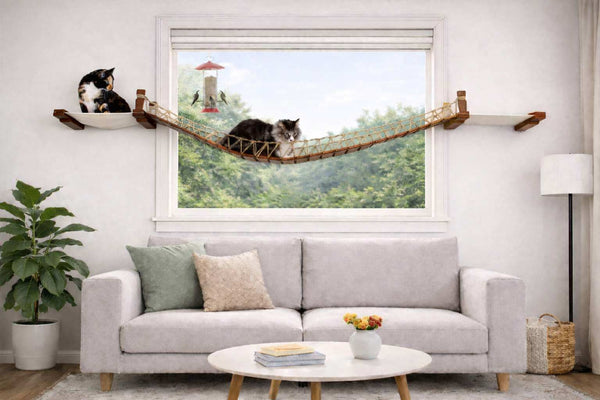
Window perches provide one of the simplest forms of enrichment. Cats love observing birds, squirrels, and outdoor activity, making window seats a popular choice.
They require minimal space and are often budget-friendly, making them a great entry point for cat enrichment. If you’re wondering “Are cats happier indoors or outdoors?” window perches offer a safe way for indoor cats to enjoy outdoor sights without the risks associated with roaming outside.

Cat Shelves, Perches & Climbers
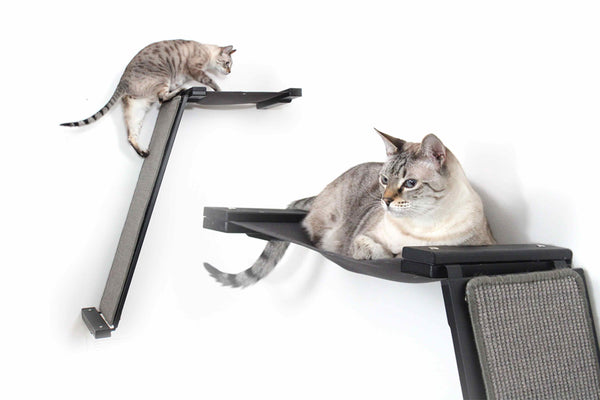
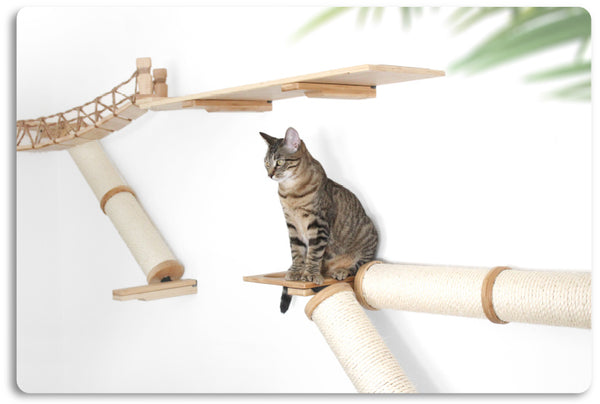
Cat shelves and wall perches are another flexible option for people who don't want a full cat tree. These pieces can be installed individually or combined to create simple climbing routes.
They’re ideal for apartments, smaller rooms, or home owners who prefer a minimalist look. Many designs blend into existing décor while still giving cats the elevated resting spaces they naturally seek.

__
So, is a cat tree worth it? For many cats, the answer is yes. Climbing structures support natural instincts, encourage healthy movement, and provide mental stimulation that indoor cats need.
That said, every cat and home is different. Some cats prefer wall shelves, window perches, or other vertical pathways instead of traditional cat trees. The most important thing is providing opportunities for climbing, scratching, and observing their environment.
Whether you choose a large cat tree or a custom wall setup, creating vertical space helps indoor cats live healthier, happier lives while keeping your home more peaceful and your furniture protected.