
Tabitha Kucera RVT, VTS (Behavior), CCBC, KPA-CTP
Cats are constantly communicating through their bodies. Every small shift, how they hold their head, position their ears, move their tail, or look at you tells you something.
When we learn to read the full picture, not just one signal, but how everything works together, we can better support our cats and build a stronger relationship with them.

It’s Not About “Good” or “Bad” Cats
One of the biggest challenges I see is how quickly cats get labeled:
“Mean.”
“Grumpy.”
“Aggressive.”
But those labels don’t explain what’s going on. They take the focus away from understanding and put the “problem” on the cat instead of the situation.
Behavior always has context.
Before we judge what we’re seeing, it helps to ask:
- What happened before this?
- What is my cat experiencing right now
- What is their body telling me?
When we shift from labeling to observing, we start to see the why behind the behavior and that’s where real change happens.

Context Changes Everything
Body language never exists in isolation.
The same posture can mean very different things depending on the situation.
A crouched cat:
- During play → focused, engaged, ready to pounce
- At the veterinary hospital for not feeling well → fearful, painful
So before interpreting what your cat is doing, take a step back and look at:
- The environment (noise, people, smells, other animals)
- Your cat’s physical state (pain, illness)
- Their past experiences (what they’ve learned is safe or not)
Your cat isn’t just reacting to this moment, they’re responding based on everything they’ve experienced before.

Look at the Whole Cat, Not Just One Signal
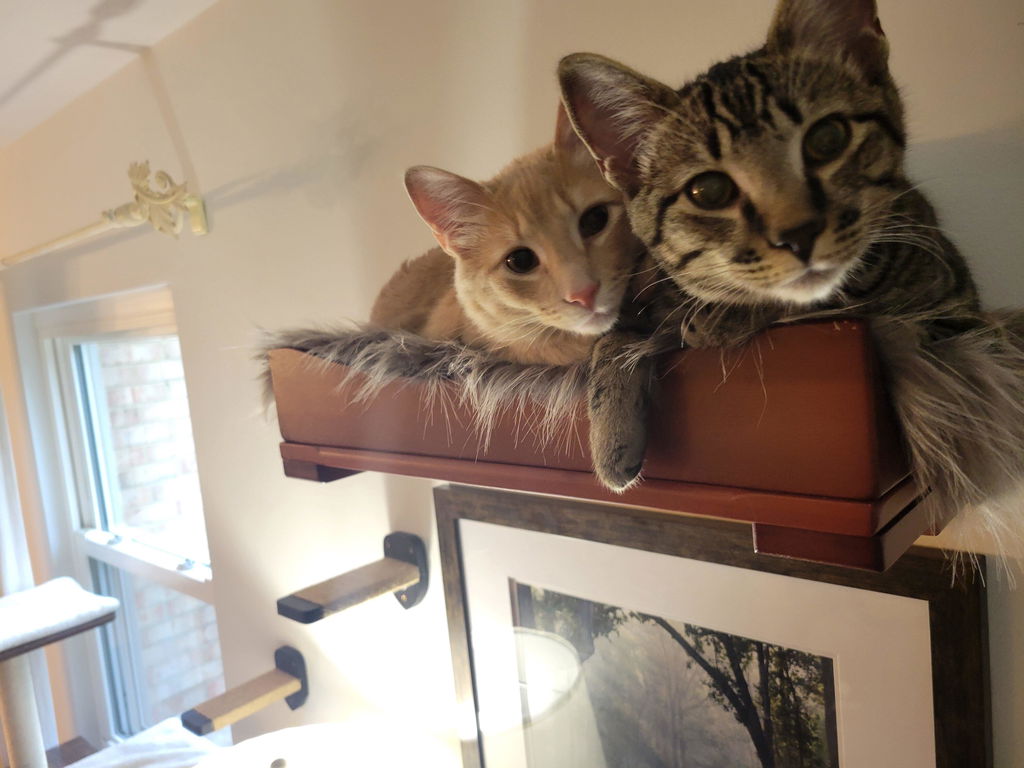
Your cat is always using their whole body to communicate. Eyes, ears, whiskers, tail, and overall posture all come together to tell the complete story.
Eyes
- Soft, half-closed eyes or slow blinking → relaxed, comfortable
- Looking away or avoiding eye contact → unsure, conflicted, anxious
- Wide, round pupils → something has caught their attention or they feel unsure
- Hard, direct stare → can signal focus or tension depending on context
Ears
- Neutral → relaxed, content
- Forward, → alert, curious, engaged
- Slightly turned to the side → cautious, uncertain, curious
- Rotating back → fear, stress
- Flat against the head → fear, stress
Whiskers
- Forward whiskers → interest, curiosity, or engagement
- Neutral whiskers → relaxed state
- Pulled back whiskers → discomfort, fear, stress
Tail
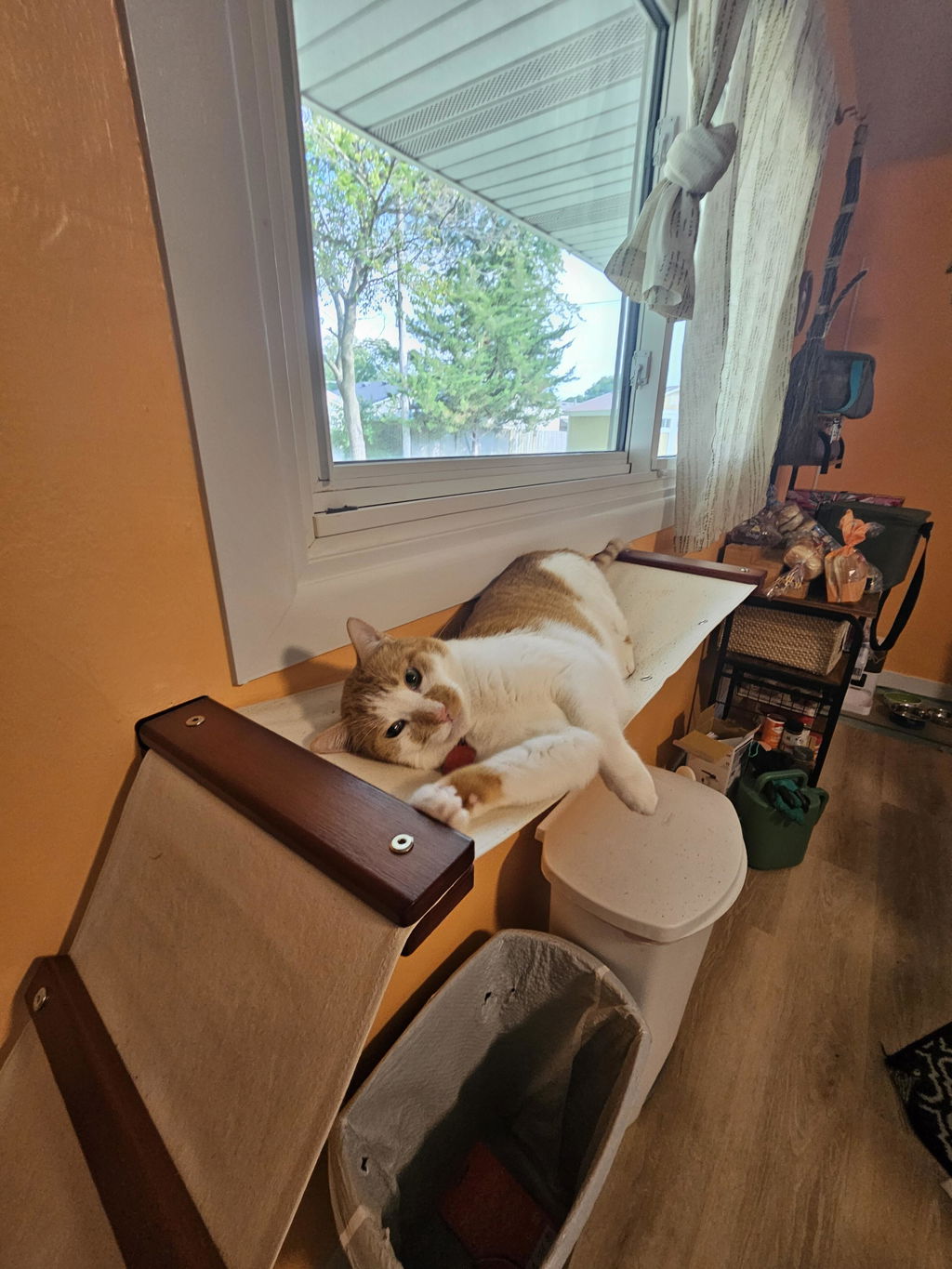
- Loose, relaxed tail → comfortable
- Upright with a soft curve → friendly, confident
- Fast flicking or lashing → agitation, overstimulation
- Tucked or held close → fear, stress, or anxious
The important part: none of these should be read alone. A flicking tail on a relaxed body means something very different than a flicking tail on a tense, crouched cat.

Posture Tells the Bigger Story
If you’re unsure where to start, start with the body.
A relaxed cat looks:
- Loose
- Face and body soft
- Tail up or loosely wrapped
- Ears neutral or forward
- Almond shaped eyes
As things begin to change, you might notice:
- Leaning away
- Tension in head and/or throughout body
- Turning their head
- Shifting weight
- Tail tucked or closer to body
- Pausing or slowing down
- Eyes round and dilated

When Your Cat Starts to Feel Overwhelmed
Most cats don’t suddenly go from relaxed to biting. They’ve been communicating all along, you just have to know what to look for. Those earlier changes can be subtle at first, like small shifts in their tail, posture, or vocalizations, and then gradually become more noticeable.
As things continue to build, you might start to see:
- Faster or more pronounced tail movement
- Skin twitching along the back
- Ears shifting more frequently
- Changes in pupil size
- A body that looks stiff or tense
From relaxed → uncomfortable → defensive, cat’s body language is a spectrum, not an on/off switch. Understanding and responding early prevents stress, fear, and injury, and helps your cat feel safe and confident.
Use this chart as a guide and remember respecting their signals builds trust.

Another great place to start is by using my body language resource as a guide.
Green Zone
- Your cat feels content, relaxed, and/or comfortable
When your cat is in this zone, they're feeling calm and secure. They're likely resting or exploring an environment they feel comfortable in.

Yellow Zone
- Early signs of discomfort start to show
- Subtle changes in how your cat looks and moves begin to appear
When your cat is in this zone, they're feeling moderately anxious and stressed. While in this zone, they're alert and likely uncomfortable in their current environment. When your cat is in this zone, consider whether you can remove or redirect them.

Red Zone
When your cat is in this zone, they're over threshold, they're stressed, terrified and may exhibit offensive or defensive aggressive behavior due to this. It is critical that you remove the trigger and if that isn't possible, remove them (by luring) into a safe, comfortable space to calm.
The goal isn’t to push your cat to “tolerate more.” The goal is to notice those early shifts while your cat is still in that middle zone and respond in a way that keeps them feeling safe. That’s where trust is built.
Awareness Over Perfection
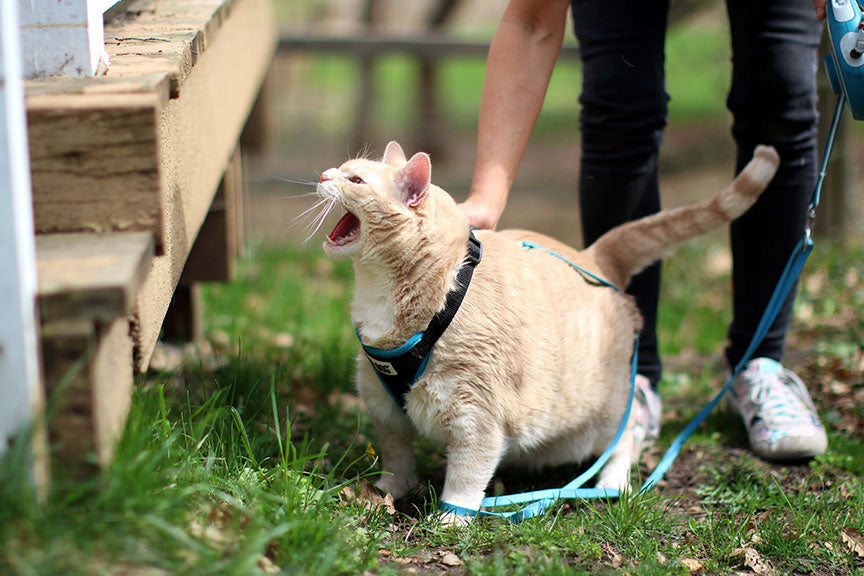
You don’t need to memorize every signal.
Just start paying attention.
- What does your cat look like when they’re relaxed?
- What changes when they’re unsure?
- What situations tend to stress them?
The more you observe without judgment, the more you understand your cat as an individual.

When We Listen, Everything Changes
When you start truly seeing your cat’s body language, everything shifts.
- You move with them instead of against them
- You respond instead of react
- You create safety instead of conflict
And most importantly, you allow your cat to communicate without needing to escalate.
Because when we learn to listen to the early signals, our cats don’t have to shout to be heard.