
If you’ve ever turned your back for two seconds only to find your cat halfway up a bookshelf, chewing on a plant, or somehow inside a cabinet you know was closed, you’re not alone. Learning how to cat proof your house isn't about turning your home into a sterile, off-limits, space. It’s about creating an environment where your cat can safely do what cats naturally do: climb, scratch, explore, hunt, nap, and occasionally make questionable life choices.
The good news? A well-designed cat proof house doesn't have to look like a pet store exploded in your living room. With a little planning, you can protect your cat, preserve your furniture, and create a home that works beautifully for both of you.
Why Cat-Proofing Matters (It’s More Than Just Safety)
When people think about how to cat proof a house, they usually picture hiding cords, or moving toxic plants. Those things matter, of course, but cat-proofing goes much deeper than that. Cats are hardwired to explore. They climb because height makes them feel safe. They scratch because it helps them maintain their claws and mark territory. They knock things off shelves because sometimes they’re hunting, testing, or simply satisfying their curiosity.
A lot of so-called “bad behavior” actually starts with an environment that doesn't meet those instincts. Counter surfing, destructive scratching, chewing cords, nighttime zoomies, climbing curtains, these often aren't behavior problems at all. They’re communication. When you cat proof a house, you’re not just protecting your cat from danger. You’re designing a space that prevents stress, reduces destructive habits, and gives your cat healthy ways to be a cat.

Common Household Hazards for Cats
Every home has hidden risks, even the tidy ones. Here are a few of the biggest offenders to keep on your radar.
Toxic Plants
Many common houseplants can be dangerous for cats including lilies, pothos, aloe, philodendron, and snake plants. Even a small nibble can cause serious issues. Before bringing greenery indoors, check whether it’s cat-safe, or move questionable plants completely out of reach.

Electrical Cords & Wires
Dangling cords can look a lot like prey. For kittens especially, chewing on cables can lead to burns or electric shock. Use cord sleeves, cable boxes, or furniture placement to keep cords hidden and inaccessible to your cat.

Small Objects & Choking Hazards
Hair ties, rubber bands, earrings, LEGO pieces, pen caps. Cats love batting around anything small enough to slide across the floor, and unfortunately, many of those items are swallowable. A quick daily sweep goes a long way.
Cleaning Products & Chemicals
Strong cleaners, essential oils, detergents, and even some air fresheners can be harmful. Store chemicals behind closed doors, ventilate after cleaning, and avoid leaving buckets or cleaning supplies unattended.
Recommended pet-safe disinfectant solution:
- Seventh Generation All Purpose Cleaning (Spray)
- CleanSmart Daily Surface Cleaner (Spray)
- Seventh Generation Concentrated (Laundry Detergent)
For a more in-depth look into cleaning and what to keep in mind to keep your cat safe, please see our blog post, How to Clean a Cat Tree - 6 Steps & Tips
Windows, Balconies & High Falls

How to Cat Proof Each Room in Your Home
Kitchen
Food, Trash & Hot Surfaces
The kitchen is full of tempting smells, moving objects and dangerous surfaces. Hot stovetops, open dishwashers, food scraps, and accessible trash cans can all create problems. Use child locks on lower cabinets if needed, keep trash covered, and never assume your cat won't investigate a cooling pan on the stove. Especially with younger cats learning boundaries, prevention matters more than correction.
Counter Jumping (and Why It Happens)
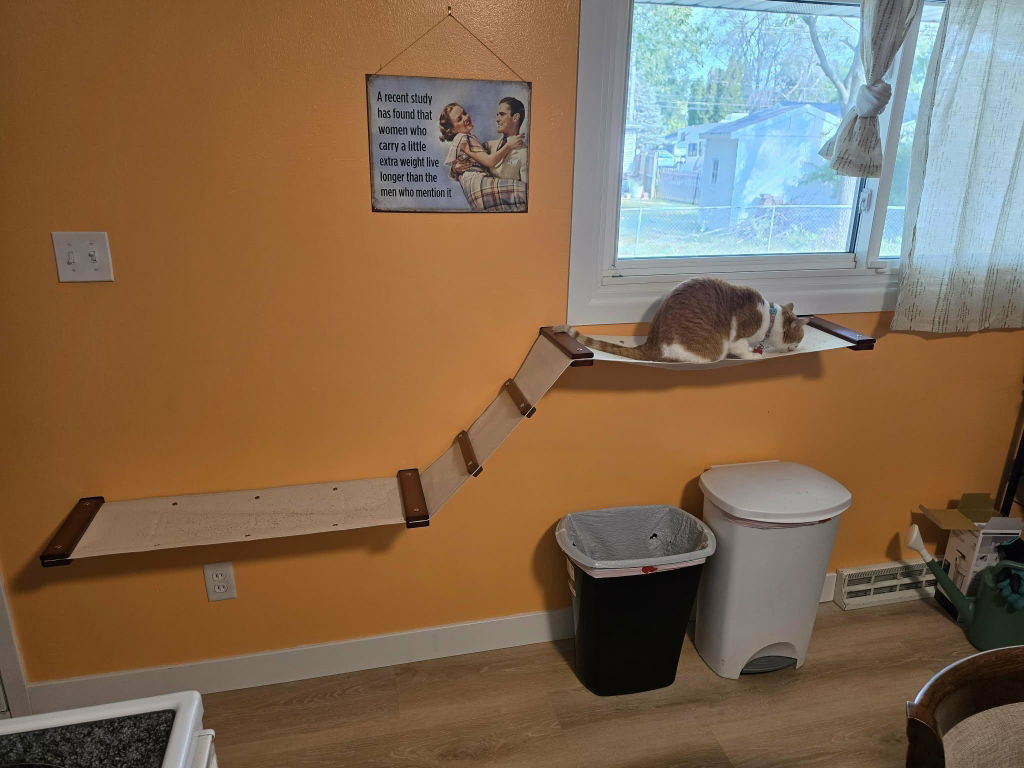
Cats don't jump on counters because they’re “being bad”. Usually, they’re looking for food, height, stimulation, or simply a better vantage point. If your cat loves the counter, ask yourself what they’re getting there that they can't get elsewhere. Often, giving them a better elevated option solves the problem much better then using a negative reinforcement.
Living Room
Cords, Discord & Breakables
TV wires, charging cables, lamps, candles, glass décor, and dangling blinds all create opportunities for trouble. Keep breakables away from edges, secure lamp cords, and anchor unstable furniture.
If you notice your cat chewing on cords around the house, a nice option is use either cord hider kit for the wall, or to use plastic tubing to protect your pets from the wires.
Scratching Furniture (and Redirecting It)
Scratching is completely normal. What's not normal is expecting your cat to not scratch while giving them nowhere appropriate to do it. Instead of fighting the instinct, redirect it with better options placed where scratching already happens. Looking for more tips? See our guide here.

Bedroom
Small Objects & Night Hazards
Bedrooms are full of tempting little objects: jewelry, earbuds, chargers, hair ties, medication, cosmetics. Many cats become extra curious at night, especially when everything else is quiet. A nightly reset can prevent accidental swallowing or late-night surprises.
Even something like small cat toys should be stored while you're leaving your cat alone. Many small cat toys come with warnings about the possibility of being swallowed and this is a very common reason people bring their cats into the vet due to blockages. If you notice your cat not eating or eating very little food in a 24 hour period, this is concerning and they need to go to the vet. There's a good chance it could be due to a blockage or possibly ingesting something toxic.
After arranging a visit with their vet, here are a few short-term things you can try while you wait:
- Try wet food and if they're already on wet food, try warming it up slightly.
- Make sure they have access to fresh water.
- Monitor their litter box usage.
Creating Safe Resting Spaces
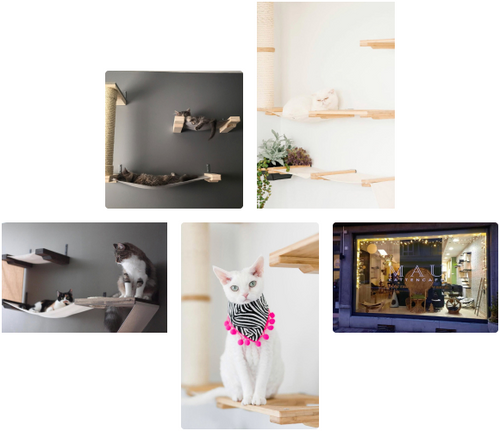
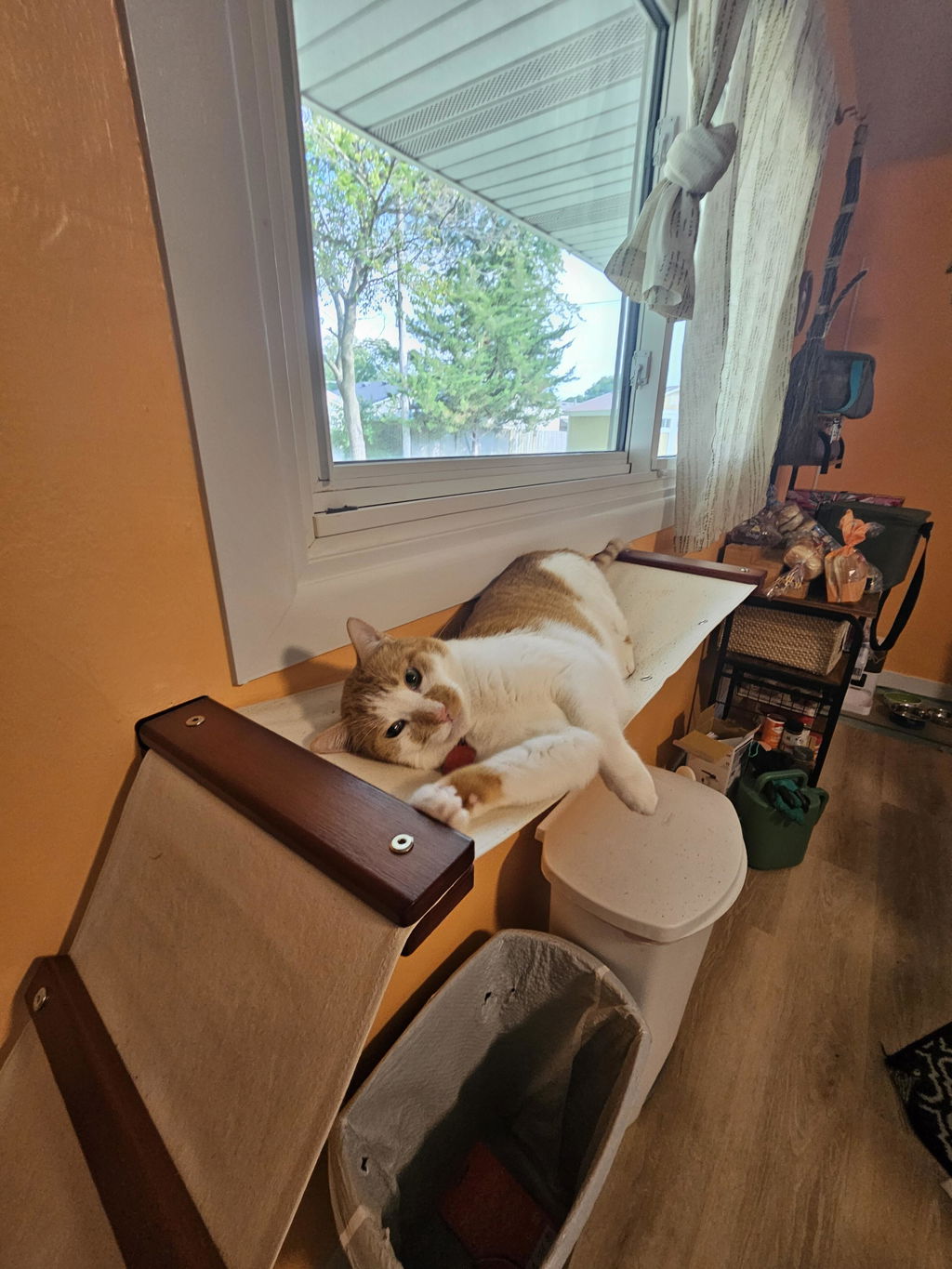
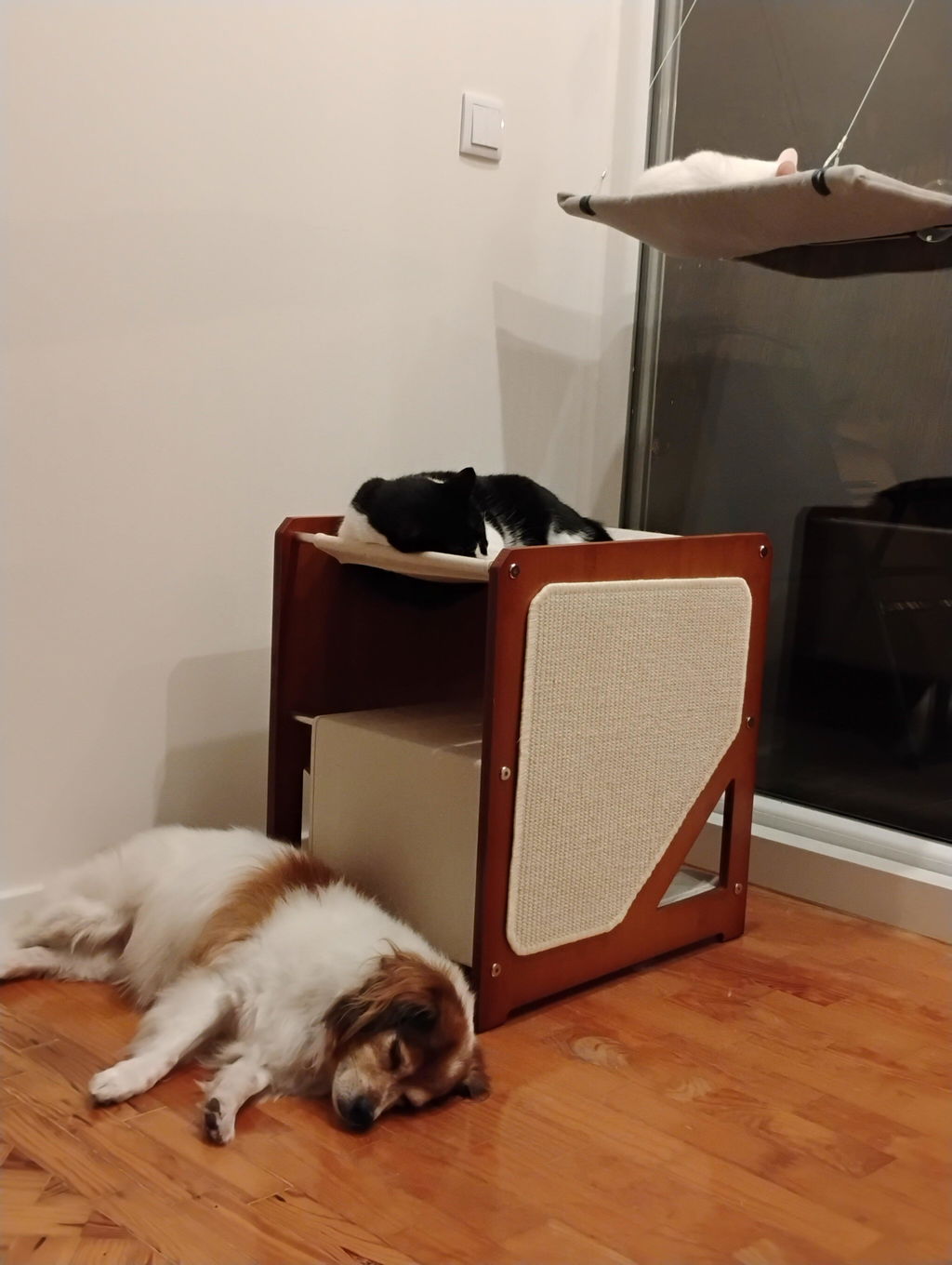
Cats feel safest when they have predictable places to retreat. A window perch, elevated shelf, hammock or cozy cubby can help them relax and sleep more deeply.
Bathroom
Medications & Cleaning Supplies
Be sure to keep medications secured in their bottles and cleaning supplies stored in cabinets. Many cleaning products are toxic to cats. Even things like floss or small objects should be kept out of reach to avoid cats ingesting them.
Toilet paper... okay, toilet paper can be incredibly cute. At first, this was supposed to be some kind of warning about messy photoshoots, but Google says that if you notice your cat eating toilet paper, you should monitor how much they consume. If a cat eats a large amount, it can cause a severe gastrointestinal blockage (obstruction).

Toilet Lids & Water Risks
Some cats love water. That doesn't always mean making smart choices around it. Keep toilet lids closed, empty mop buckets promptly, and avoid leaving standing water where your cat could fall in.
Home Office / Workspaces
Cable Management
Desks are cord central. Monitors, chargers, headphones, keyboard cables, power strips.. Basically a playground. Use cable sleeves, under-desk trays, and cord clips to keep everything organized and out of reach.
Keeping Cats Off Keyboards (Without Stress)
Your cat probably doesn't want your keyboard. They want you. Adding an elevated perch near your desk often solves “keyboard cat” behavior by giving them a place to supervise your work without sitting directly on your keyboard.
3 Pro Tips for Cat-Proofing by Instinct
1. Climbing Instinct
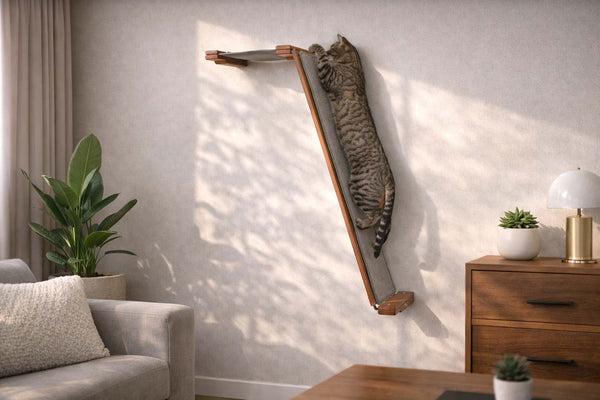
Cats seek height because it helps them feel secure, monitor territory, and avoid stress. Instead of constantly telling your cat “down,” give them somewhere better to go.
2. Scratching Instinct
Scratching helps cats stretch, maintain claws, and mark their space. If your sofa is their favorite target, they may simply be telling you it’s in the perfect location. See our Scratcher options here.
3. Hunting & Play Instinct
Knocking things over, stalking feet, and pouncing on cords are often hunting behaviors. Before considering any type of punishment, try using positive reinforcement instead, such as playing with them using their favorite cat toy.
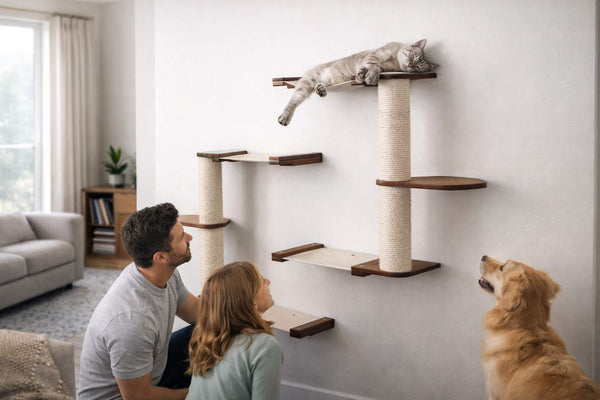
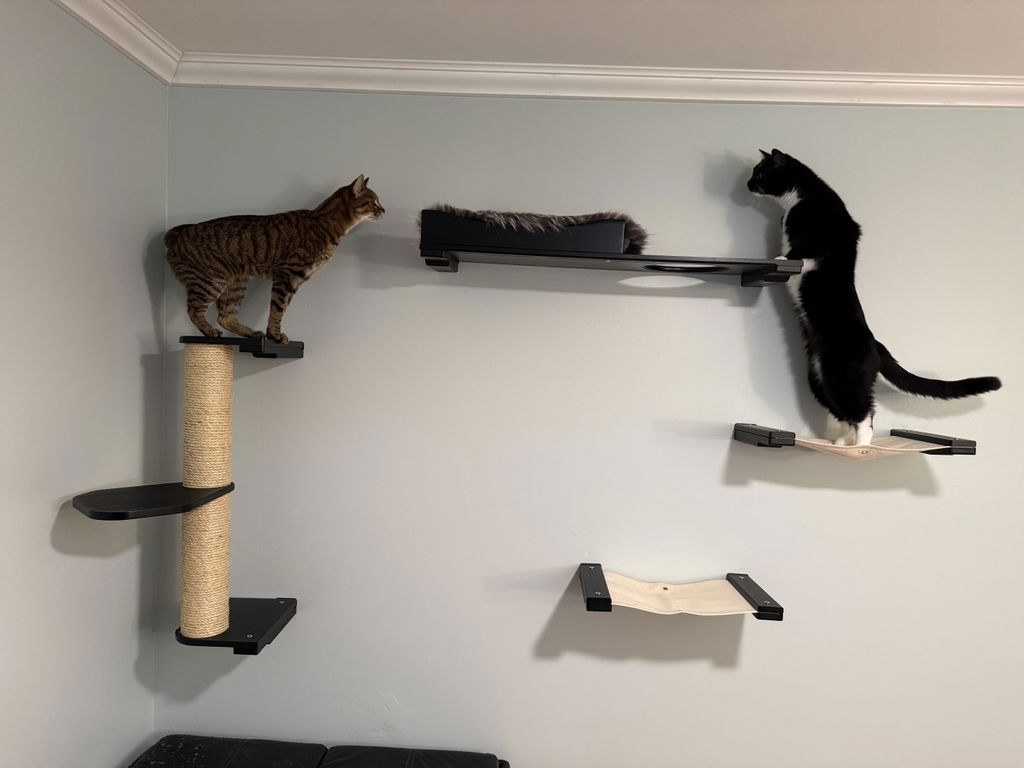
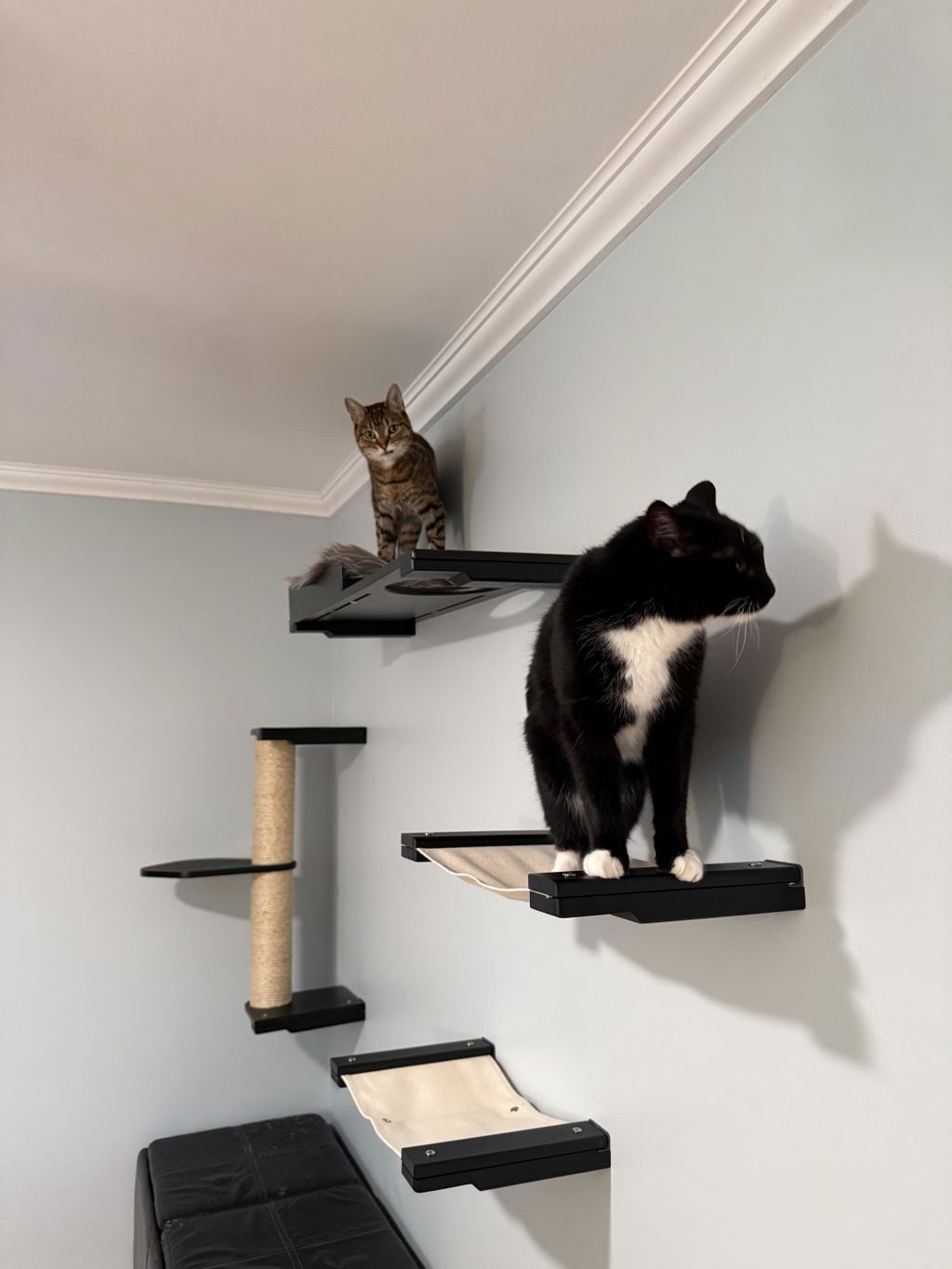
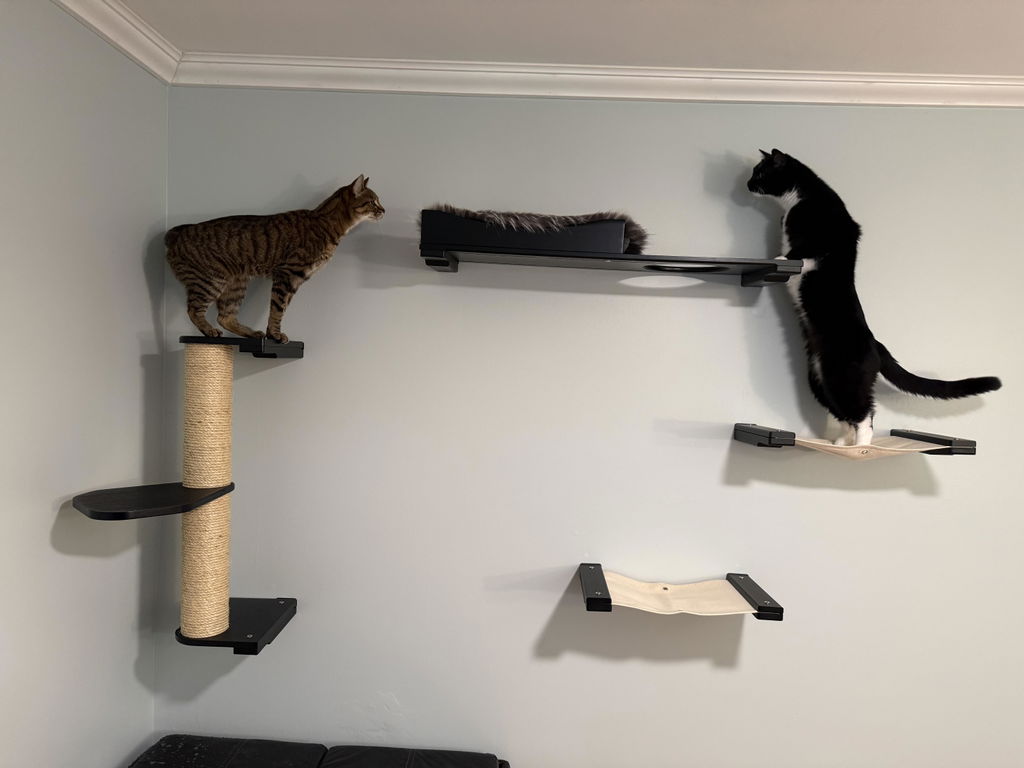
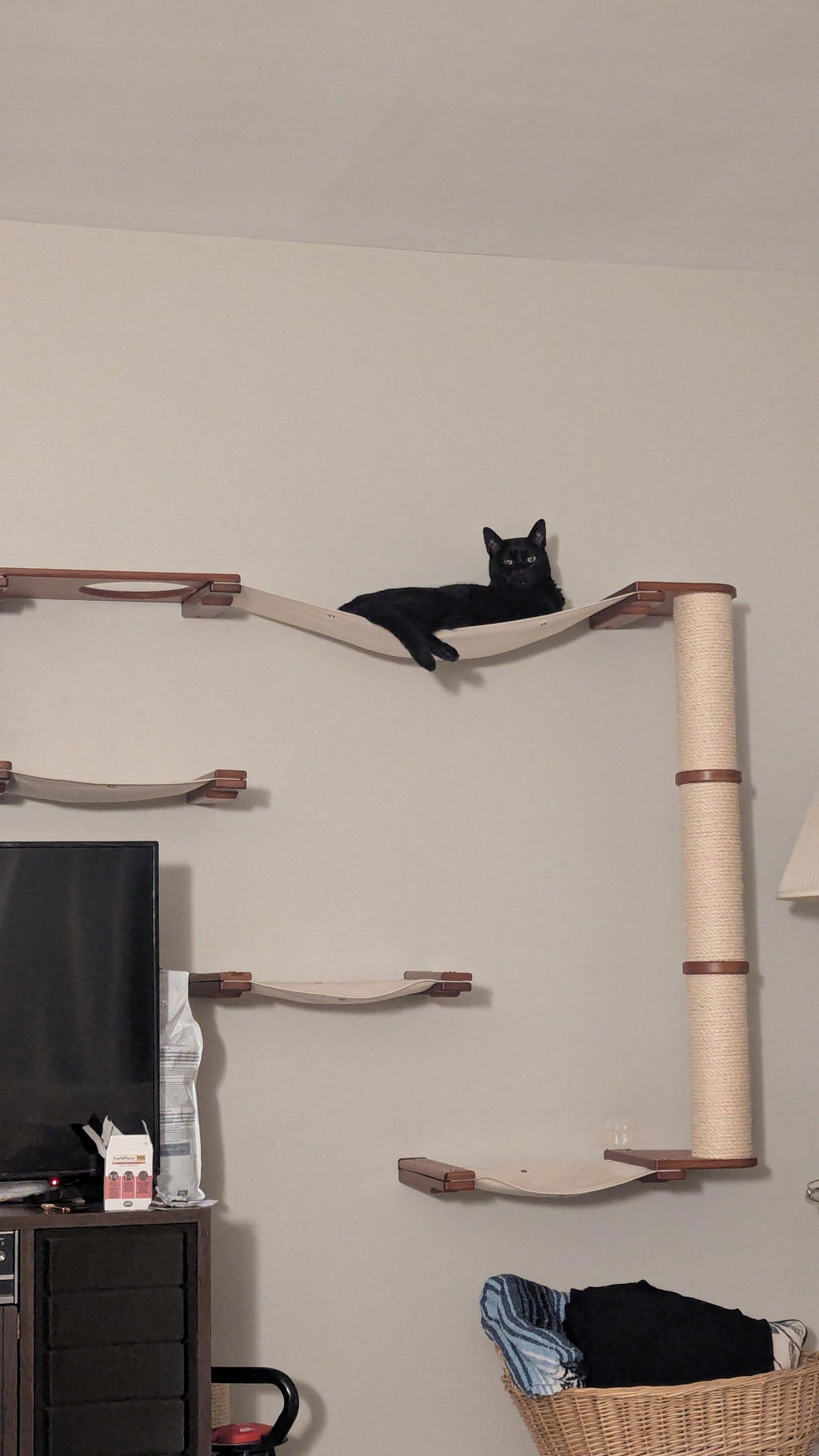
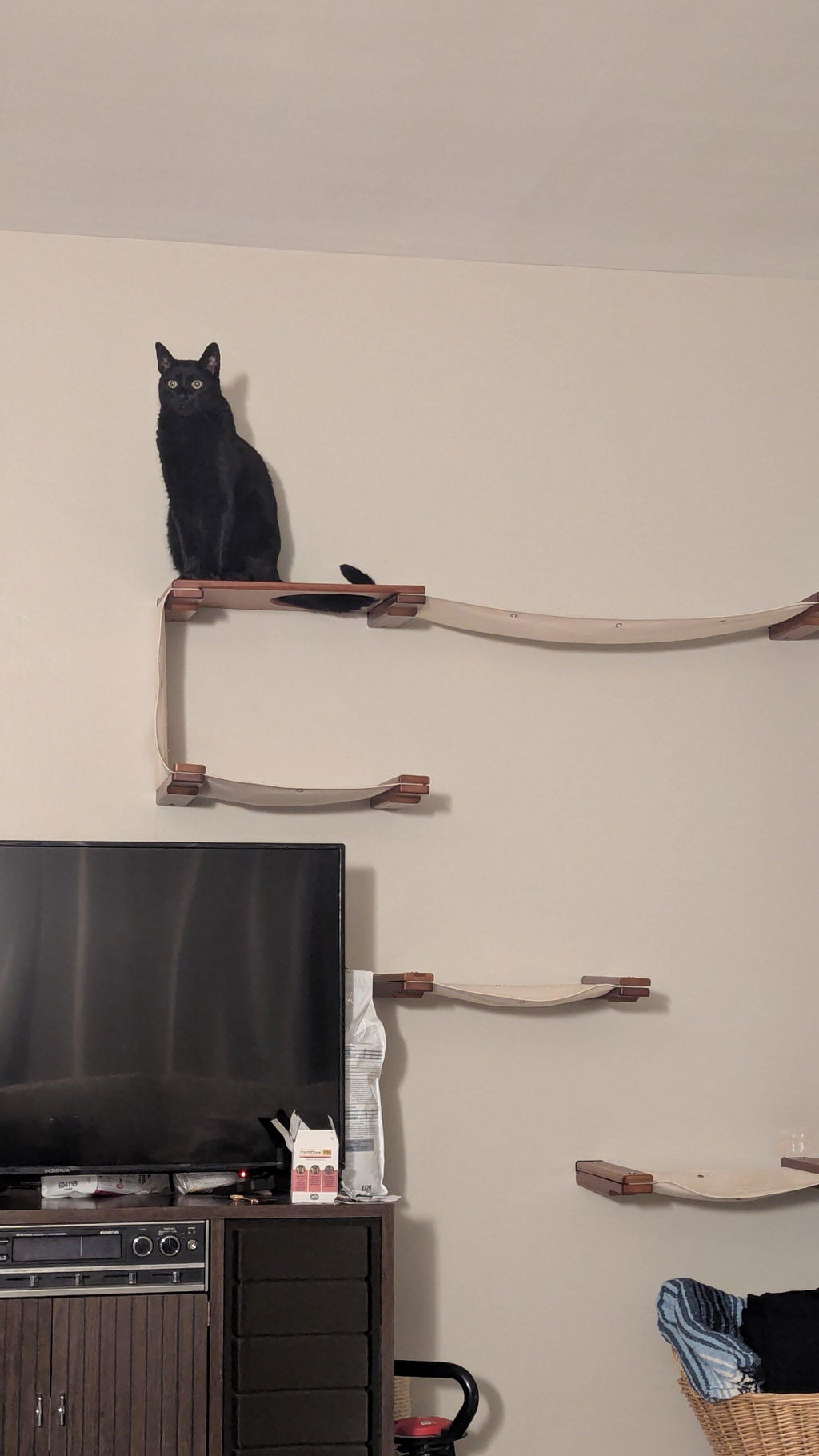
Creating a space specifically for them, like a cat tree or cat wall shelves, can help by integrating more enrichment into their lives while also giving them a safe space to rest without being pestered by dogs or young children.
Designing a Cat-Friendly (and Cat-Proof) Home
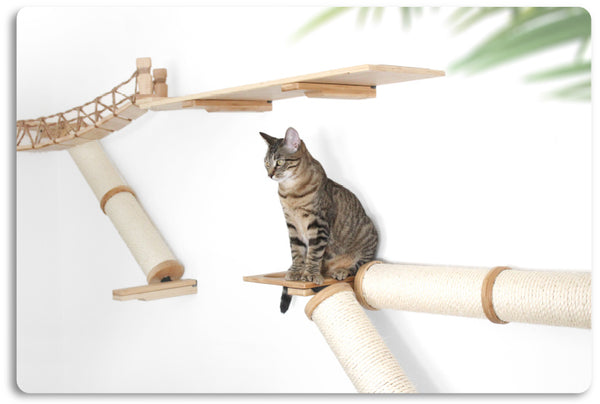
The Power of Vertical Space: Installing Sturdy Cat Wall Shelves
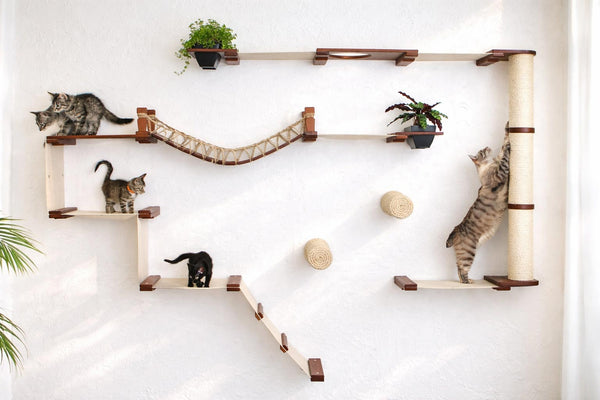
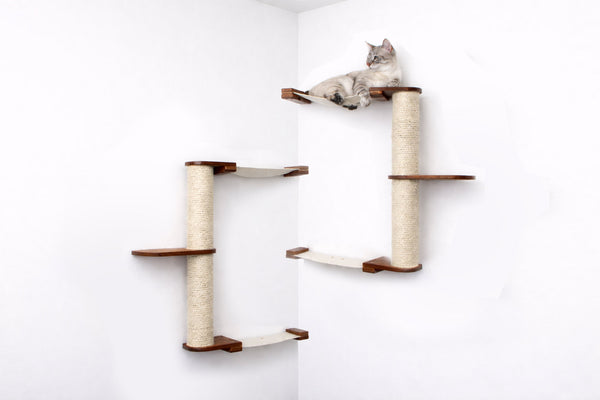
One of the easiest ways to cat proof your house while improving behavior is by building upward instead of outward. Well-made wall-mounted cat furniture is surprisingly straightforward to install into studs, and gives your cat territory without adding floor clutter.
Even better, vertical pathways often reduce counter jumping because your cat finally has a better view. Cat furniture doesn't have to clash with your home's décor. Beautiful bamboo shelves, neutral fabrics, and clean designs can blend naturally into almost any space.
Helpful resources:
Installation Guide
Cat-Proofing for Kittens vs Adult Cats
Kittens: Higher Curiosity, Higher Risk
-
Kittens are tiny explorers with no sense of self-preservation. They’ll squeeze into impossible spaces, chew things they shouldn't, and climb things they cannot get down from. Extra precautions matter here: cord management, small object removal, cabinet checks, and supervised exploration.
Adult Cats: Habit-Driven Behavior
-
Adult cats usually aren't as reckless, but habits can be harder to break. If your adult cat has spent years jumping on counters or scratching the sofa, focus less on punishment and more on environment changes. See our tips for promoting positive behavior here. Retraining becomes much easier when the better option is obvious. See our tips for training here.
Quick Cat-Proofing Checklist
Before you call your home fully cat proof, run through this quick checklist:
-
Secure cords
-
Remove toxic plants
-
Add vertical spaces
-
Provide scratching alternatives
-
Store chemicals safely
-
Create safe resting zones
-
Secure windows and screens
-
Pick up small swallowable objects
-
Keep trash inaccessible
- Rotate toys for enrichment
Helpful upgrades:
Final Thoughts: Cat-Proofing Is About Understanding, Not Restriction
At the end of the day, learning how to cat proof a house isn't really about saying “no” to your cat. It’s about saying “yes” to the behaviors that make them who they are, while giving those behaviors safer, smarter places to happen. When your home works with your cat’s instincts instead of against them, everything gets easier, including the parts you thought were just “cat problems.”