











Tips for Adopting a Cat: Your Go-To Guide
Adopting a cat is one of the most exciting and rewarding decisions you can make, but it can also be overwhelming with all the preparation that comes with it. Whether you're a first-time pet parent or just adding a new furry member to your family, having the right knowledge and advice can make the transition smoother for you and your new feline friend. In this go-to guide, we'll walk you through everything you need to know about adopting a cat from preparing your home to understanding your cat's needs to create a stress-free start to your life together.
Getting Ready for Your New Cat
The best thing you can do during (or before) the adoption process is to get organized. Even if you’re an experienced cat owner, it’s good to refresh yourself on the basics of welcoming a new household addition, like the ones below.
Gather the Essentials
Before bringing a new cat home, a few simple preparations can make a huge difference in helping them feel safe, comfortable, and less stressed during the transition.
Litter Box
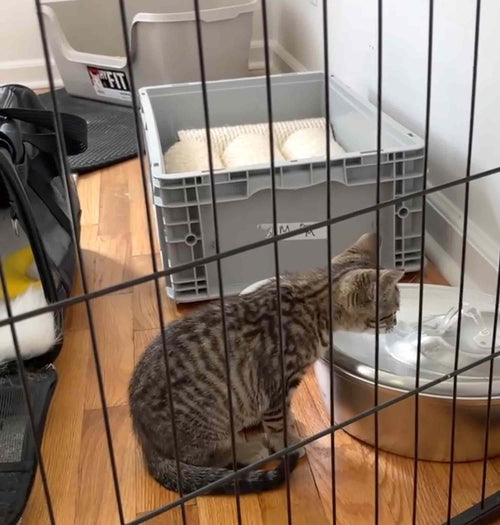
A litter box is a must-have for your new cat even if you already have others for your current cats. The general rule is to have one litter box per cat, plus an extra to help prevent territorial issues and ensure easy access. We recommend a stainless steel option for cleanliness and suggest placing them in quiet, easily accessible spots.
The number one priority when introducing a cat is to keep the litter boxes clean to encourage regular use. If you already have other cats, providing separate boxes initially can help ease the transition and reduce stress. Over time, as your cats become more comfortable with each other, they may choose to share, but maintaining multiple boxes helps prevent conflict and promotes good litter box habits.
Food and Water Bowls
Your cat needs a dedicated place to eat and drink and may see this as a source of “safety” when being introduced into your home. Stainless steel or ceramic options are best since they don’t hold odors, help prevent cat acne, and are dishwasher safe.
Again, even if you already have another cat, it’s important to ease your new cat into their environment by providing their own supplies.
Scratching Posts
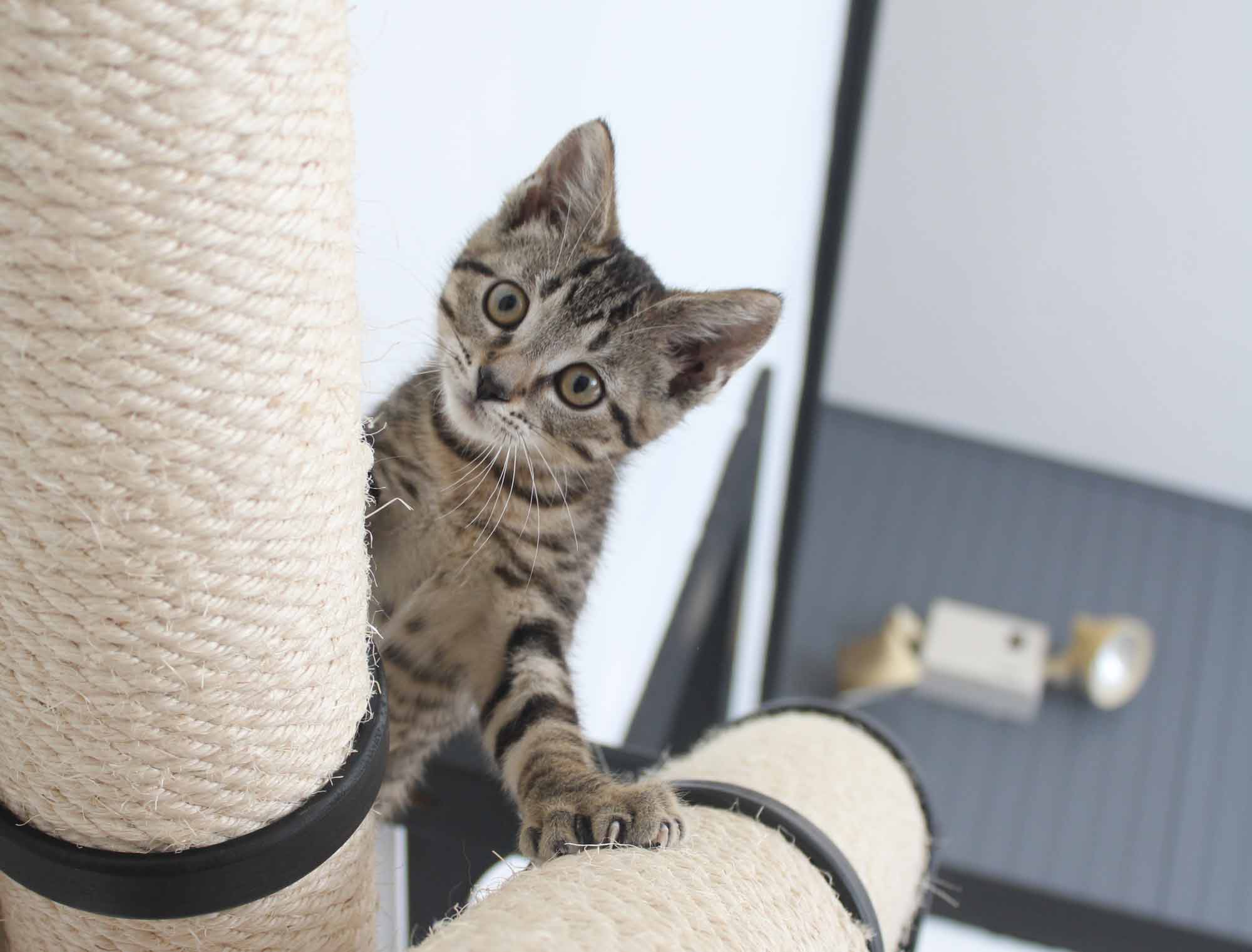
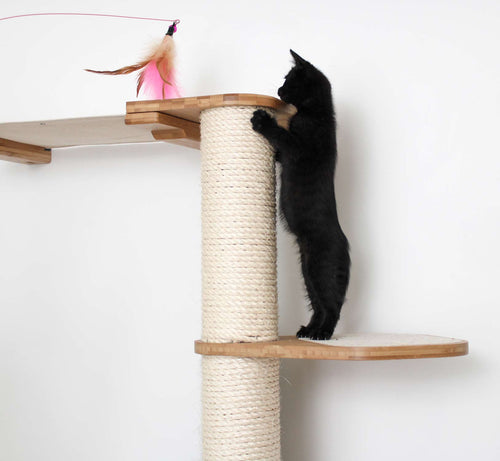
Cats have a natural instinct to scratch, so providing scratching posts is crucial not just to accommodate their needs but also to protect your furniture! We recommend placing a few scratchers around your home, especially in areas cats typically gravitate toward (like sofa corners).
You can shop some of our recommendations here.
Set Up a Cat-Friendly Space Beforehand
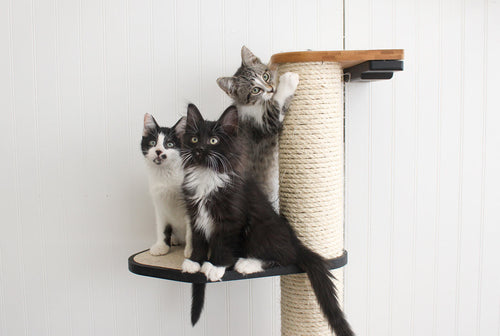
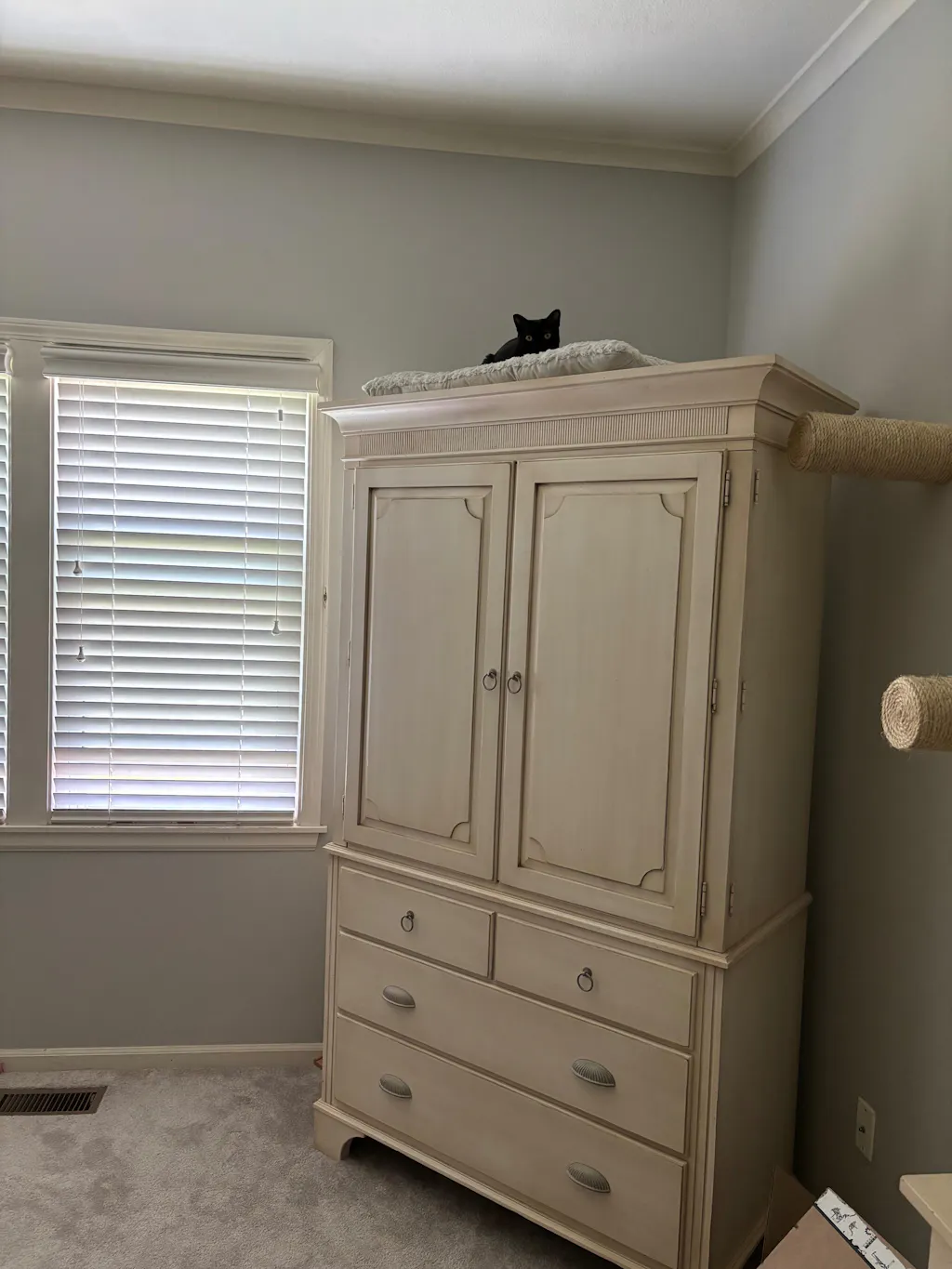
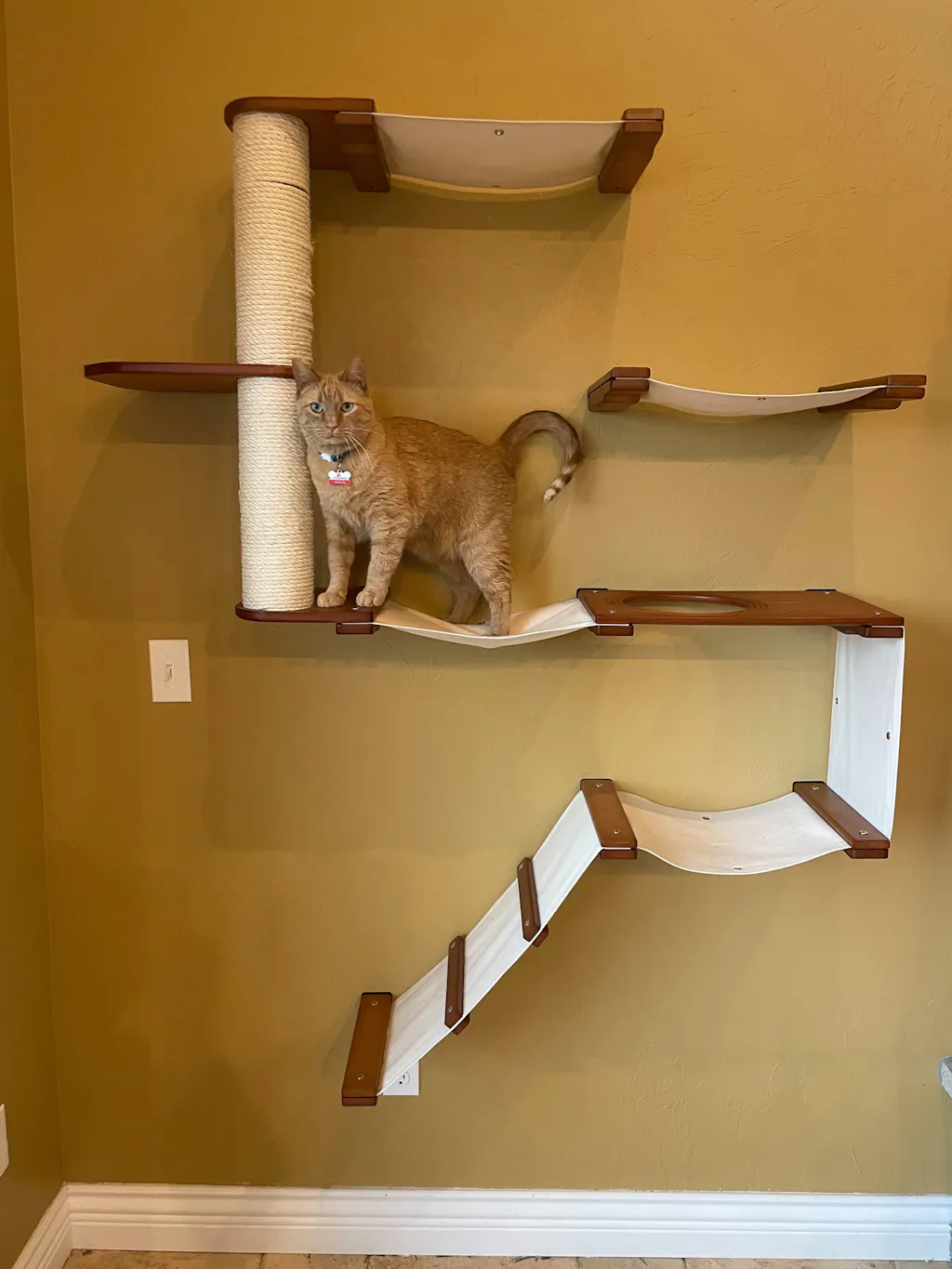
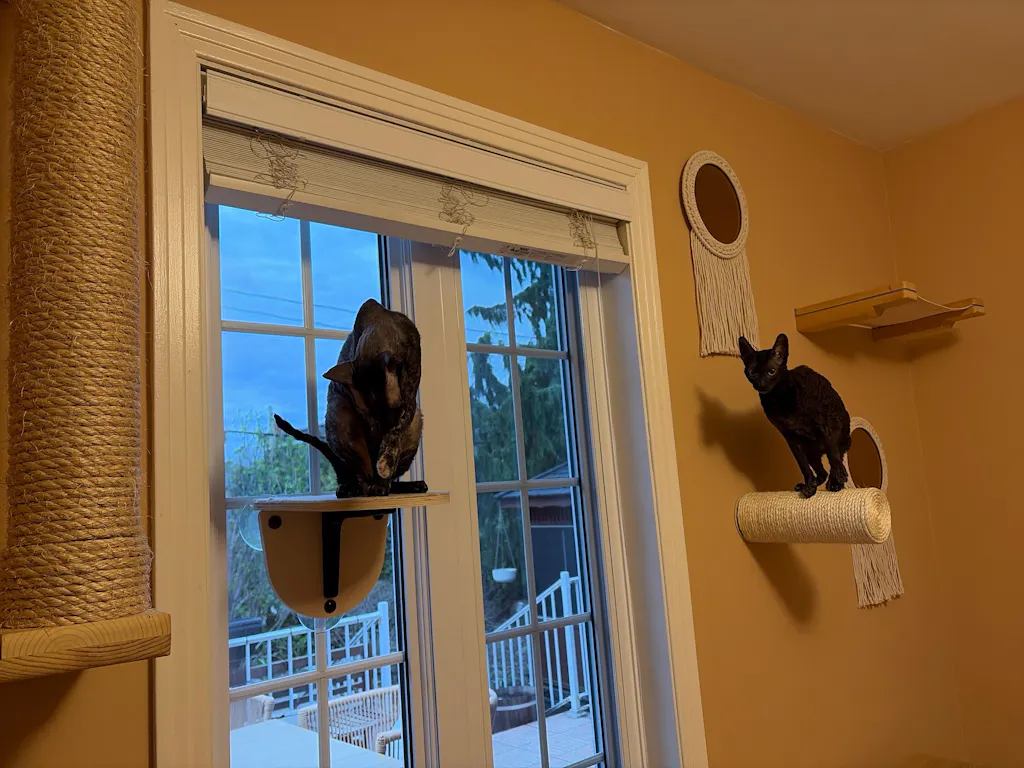
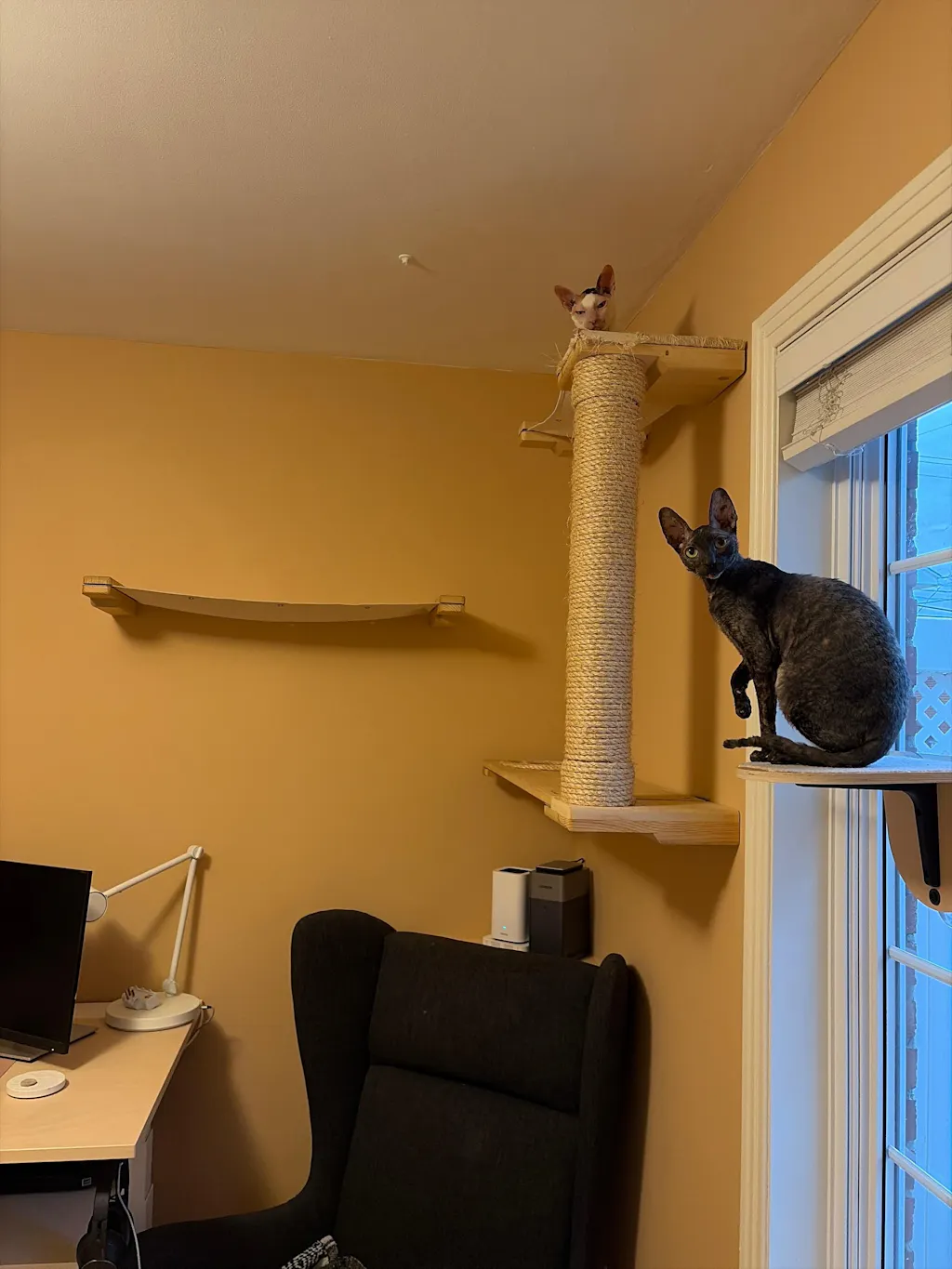
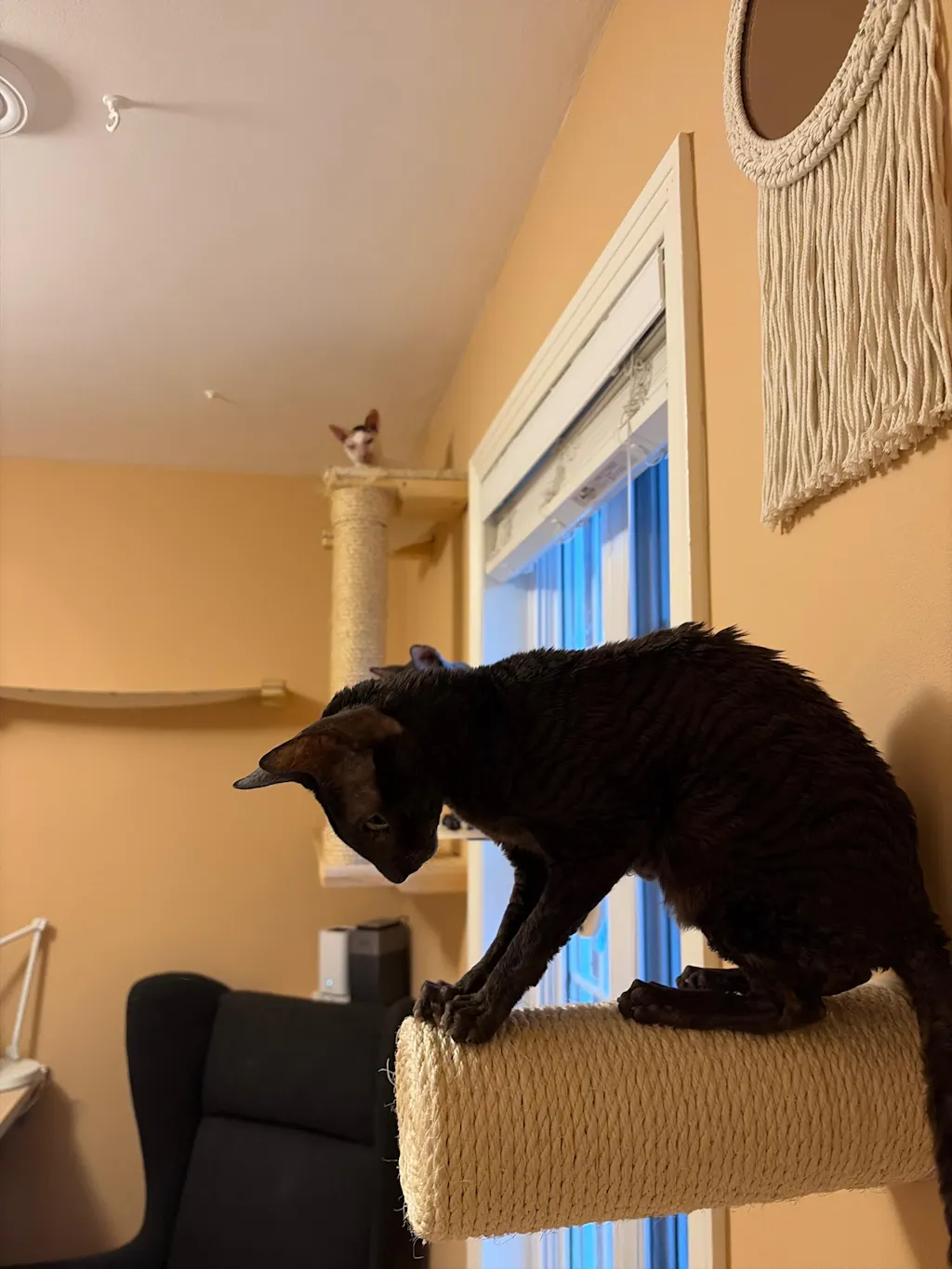
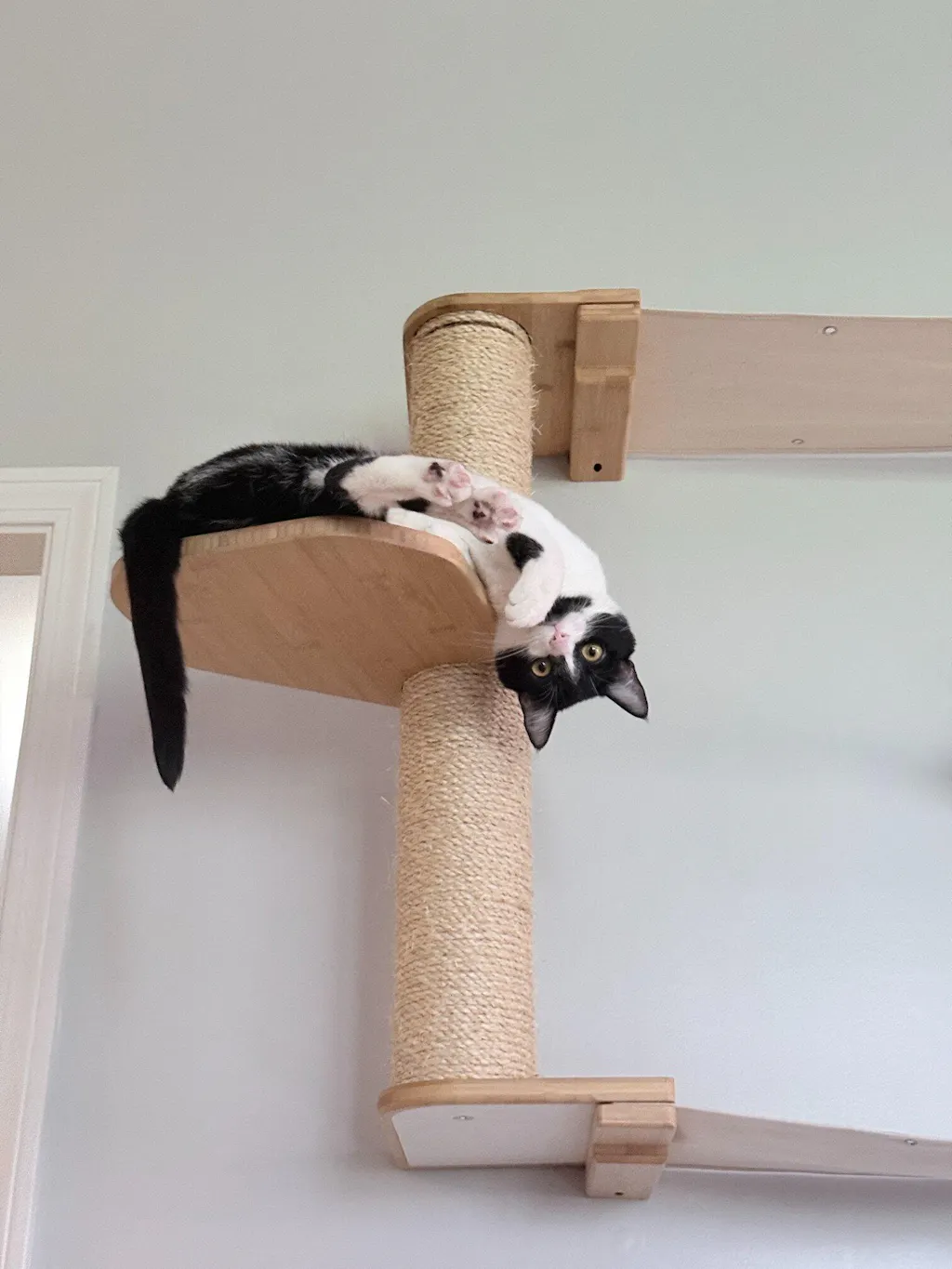
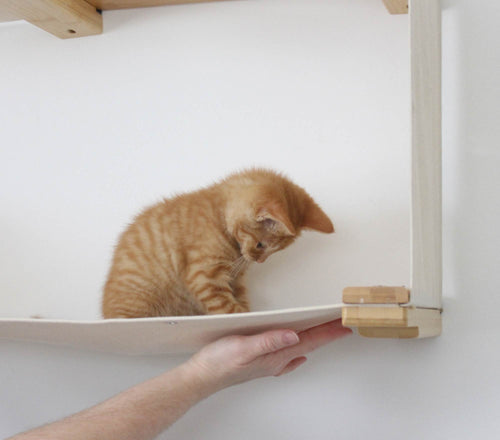
Setting up a cat-friendly space before bringing your new feline home is key to helping your kitty feel safe and comfortable. Make sure to designate a quiet room as their initial “safe space” and fill it with all their essentials (i.e., food, water, a litter box, scratchers, and a cozy bed).Include plenty of hiding spots, such as under a bed, inside cardboard boxes, or in cat tunnels to give them a place to retreat if they feel scared or overwhelmed. If you’re looking to make this space a more long-term or permanent cat room, adding climbing opportunities like cat trees or wall-mounted shelves allows them to explore vertically and feel more at home.
Creating a nurturing and clean environment will help ease their transition and encourage them to come out and explore at their own pace.
Find a Vet Early
Even if your new family member comes with their vaccinations are up to date, it’s important to find a vet early on. A vet can provide initial health checks, vaccinations, and guidance on nutrition and care as well as spaying or neutering if your kitten is too young to have it done before bringing them home.
When selecting a vet, consider asking about their experience with cats, office hours and protocols, emergency services, and the typical costs associated with those services. Your cat’s health and comfort should be your number one priority, so it’s okay to shop around for vets until you find one that works for your household—just make sure to keep a copy of all medical paperwork!
Speaking of medical paperwork, it’s also helpful to have your cat’s medical history, vaccination records, and notes of any concerns ready for the first visit if you’re adopting your cat from a rescue or shelter. Establishing a relationship with a reliable vet early helps catch any potential health issues and sets the foundation for a long, healthy life for your new feline friend.
Create a Space for them with Cat Friendly Furniture
The Initial Adjustment Period
Bringing a new cat home is an exciting experience, but it’s important to remember that adjusting to a new environment takes time. Every cat is different some may settle in quickly, while others need more time to feel safe and comfortable. By understanding the adjustment process and setting up a stress-free transition, you can help your new feline friend feel at home as smoothly as possible.
Know the 3-3-3 Adoption Rule
The initial adjustment period for a new cat is best understood through the 3-3-3 Adoption Rule: 3 days to feel less overwhelmed, 3 weeks to settle in, and 3 months to fully adjust and feel at home. This guideline helps set realistic expectations for their behavior and progress but is not a strict rule, as each cat has its own personality some may be more timid than others.
Understanding this rule can help assess if you need to make any adjustments during this transition period and emphasizes patience and consistency—making the transition hopefully less stressful for both you and your new feline friend.
Day One Guidelines
As your cat begins to feel more at ease in their new home, continue to be patient and allow them to adjust at their own pace, gradually introducing new experiences and family members.
Provide a Safe Space
As previously mentioned, set up a designated room where your new cat can feel secure and relaxed. Make sure to include easy-to-access essentials like food, water, a litter box, and cozy bedding. This can help your new cat feel less overwhelmed by all the “newness” and help them acclimate more quickly.
Give Them Time to Explore
This is where the patience comes in–allow your cat to explore their new surroundings at their own pace. Don’t force interaction; instead, let them come to you when they’re ready, and until they make the first move, just co-exist like you would without them being there. This builds their confidence and helps them feel more in control of their new environment.
Introduce Family Members Slowly
We know it’s tempting to bring over friends and family to meet your newest addition, but we recommend waiting at least a few days before doing so. If you have other pets or family members (like small children), introduce them gradually. Start with short, supervised interactions and watch for signs of stress or aggression from your cat so you can intervene if necessary. This slow introduction helps prevent negative experiences and fosters positive relationships with both animals and people.
Maintain a Calm Environment
We know this can be difficult if you’re not the only one in your home, but try to keep noise and activity levels low on the first day or so to reduce stress. If possible, avoid making loud noises that could startle your cat, like vacuuming or running the washer or dryer. A calm environment will help your cat destress and settle in more easily.
Introducing Your Cat to Your Household
Properly introducing your new cat to your household helps reduce stress, prevent behavioral issues, and sets the stage for a safe, harmonious environment where everyone humans and pets alike can thrive together.
Introducing to Kids
To avoid any negative experiences, teach young children to approach the new cat calmly and gently. Encourage them to use quiet voices and slow movements, and supervise their initial interactions to ensure both the cat and kids feel safe. These steps may feel tedious, but they help build a trusting relationship between your cat and your children.
Introducing to Other Pets
Cats are notorious for being territorial, so it’s important to start off on the right foot (or paw). Introduce your new cat to existing pets gradually start by allowing them to sniff each other’s scent through a closed door, and then progress to supervised face-to-face meetings. This can take a few days, but it’s imperative to ensure both cats are open to interacting before putting them together. When they’re face-to-face, monitor their interactions closely to prevent stress and aggression. You can even revert back to keeping them separated and reintroduce them if necessary. See more tips here.
Establishing Territory
If you have other pets in the home, it’s important to provide multiple resources (such as litter boxes, food stations, and scratching posts) throughout your home. This prevents competition for resources, which reduces territorial issues and helps your new cat establish their own territory, allowing them to understand their place in the household hierarchy.
Exploring Different Rooms
Once your cat feels secure in their designated safe space, you can introduce them to other areas of your home. Open doors one at a time and let them explore at their own pace, always providing access to their safe room. If your kitten is young and hasn’t been litter box trained yet, we recommend keeping an eye on where they’re exploring just in case of any potential accidents.
Using Positive Reinforcement
Like any good cocktail party host knows, food helps people get along. Reward your cat with treats, praise, and pets for positive behavior during introductions to both people and animals. These positive reinforcements encourage them to associate new experiences with positive outcomes. Not only will this help create a stronger bond between you and your cat, but positive reinforcement also helps reduce anxiety and can help acclimate them to your household.
3 Tips for Establishing a Routine and Building a Bond
Creating a routine and building trust with your new cat is one of the most important parts of the adoption journey. Routine gives your cat a sense of safety, helping them learn what to expect from day to day. And when your cat feels safe, they’re more likely to open up, form bonds, and develop healthy habits. These tips are designed to support a strong relationship between you and your new feline companion fostering trust, encouraging positive behavior, and making your life together feel more connected and rewarding.
1. Create a Consistent Routine
Establish a daily schedule for feeding, playtime, and quiet time to help your new cat feel secure. Consistency in these activities reduces stress and helps your cat understand what to expect from day to day. Over time, this predictable routine fosters a sense of stability and trust. That means if you’re not working from home, it’s important to give your cat plenty of space to adjust to you not being available 24/7.
2. Training and Interactive Play
Interactive play sessions with toys like feather wands or laser pointers can be a great bonding opportunity. These activities not only provide physical exercise and enrichment but also strengthen your bond through positive interactions. No matter if your new furry friend is a kitten or an adult cat, make sure to incorporate basic training like using a scratching post to encourage good behavior they may not already be in the habit of.
3. Allow Time for Adjustment
Be patient and give your cat time to adjust to their new environment. Every cat is different, and some may take longer to feel comfortable and secure. While the 3-3-3 Rule is a great guideline, it doesn’t mean you should expect your cat to be your best friend by month three. Respect their pace and continue to provide gentle reassurance and support as they settle into their new home.
Final Note
Adding a cat to your home is one of the best experiences you can have, and we’re so excited for your family to grow! Keep these pieces of advice in mind, but also get to know your kitty’s personality and follow their lead for the best results, so they’re truly feline fine in their new environment.
FAQs on Adopting a Cat
What to avoid when adopting a cat?
Avoid adopting a cat on impulse or without thorough preparation. While the “cat distribution system” can strike at any time, it’s important to do your research and be ready for the responsibilities and long-term commitment of cat ownership.
If you’re adopting from a shelter or rescue, be sure to ask if the cat has had any previous medical issues or underlying conditions, such as FIV. Cats are master adapters and can live long, full lives with certain conditions but they may require extra care and come with additional financial responsibilities you'll need to consider.
Also, steer clear of environments where animals may not have been well cared for, such as unregulated breeders
What is the best cat age to adopt?
There’s no one-size-fits-all answer it depends on your lifestyle and preferences. Kittens require more time and training but can be easily socialized, while adult cats often have established temperaments and may require less supervision. Senior cats can be a great choice for a quieter household.
All cats have unique personalities, so it’s important to understand whether the cat you’re interested in would do well on their own or needs a companion in the home. If you’re adopting kittens, in particular, it may be a better option to adopt two at a time.
Is it better to adopt 2 cats instead of 1?
It truly depends on the cat and the situation! Adopting two cats can be beneficial, as they provide companionship and can keep each other entertained especially as kittens, when they have rampant energy. If you’re away from home frequently and are adopting a young cat that hasn’t previously lived in a household, we recommend adopting two so your feline doesn’t get bored or lonely.
That said, many cats are perfectly happy being the only cat in the home and may even prefer it. If you decide to adopt two at once, just make sure you have the resources and space to accommodate multiple pets comfortably.
Should I sleep in the same room as my new cat?
If their designated safe space includes a bed, we recommend it! Sleeping in the same room as your new cat can help them feel secure and comforted during the initial adjustment period. It also allows you to monitor their behavior and ensure they settle in safely.
However, if either you or the cat prefers otherwise, you can gradually transition them to their own sleeping area (though expect them to eventually nap anywhere there’s a cozy spot to stretch out).