








*Please note that we have included links to Amazon products, which are affiliate links. This means that we may receive a portion of the sale if one is made through the provided links.
Bringing home a new cat is an exciting experience but can also be a bit overwhelming for you and your furry friend! To make the transition as smooth as possible, it’s essential to be prepared with everything you need for that first night (or two, or three…). To make sure you’re as prepared as can be, here’s a handy checklist to ensure your new feline companion feels safe, comfortable, and welcome in their new home.

Getting Comfortable on the First Night
What should I do when I get home with my newly adopted cat?
So now that your space is prepped and your cat is picked, what’s the next step? When you first bring your newly adopted cat home, it's crucial to create a calm and welcoming environment. Coming into any new home can be overwhelming with new smells and uncertainty. Most cats will be timid, so creating a calm environment for them to warm up in is always best. Preferably, they should have their own room with essentials like a litter box, food, water, and toys. If you have other pets, keep them away for the first couple of days. The best introductions are done gradually.
Here are some tips and tricks to help get your cat comfortable in their new space without the experience being overwhelming:


Does my new cat need its own room?
Your new cat doesn't necessarily need its own room forever, but having a safe space initially is crucial for helping them adjust to and thrive in their new environment.
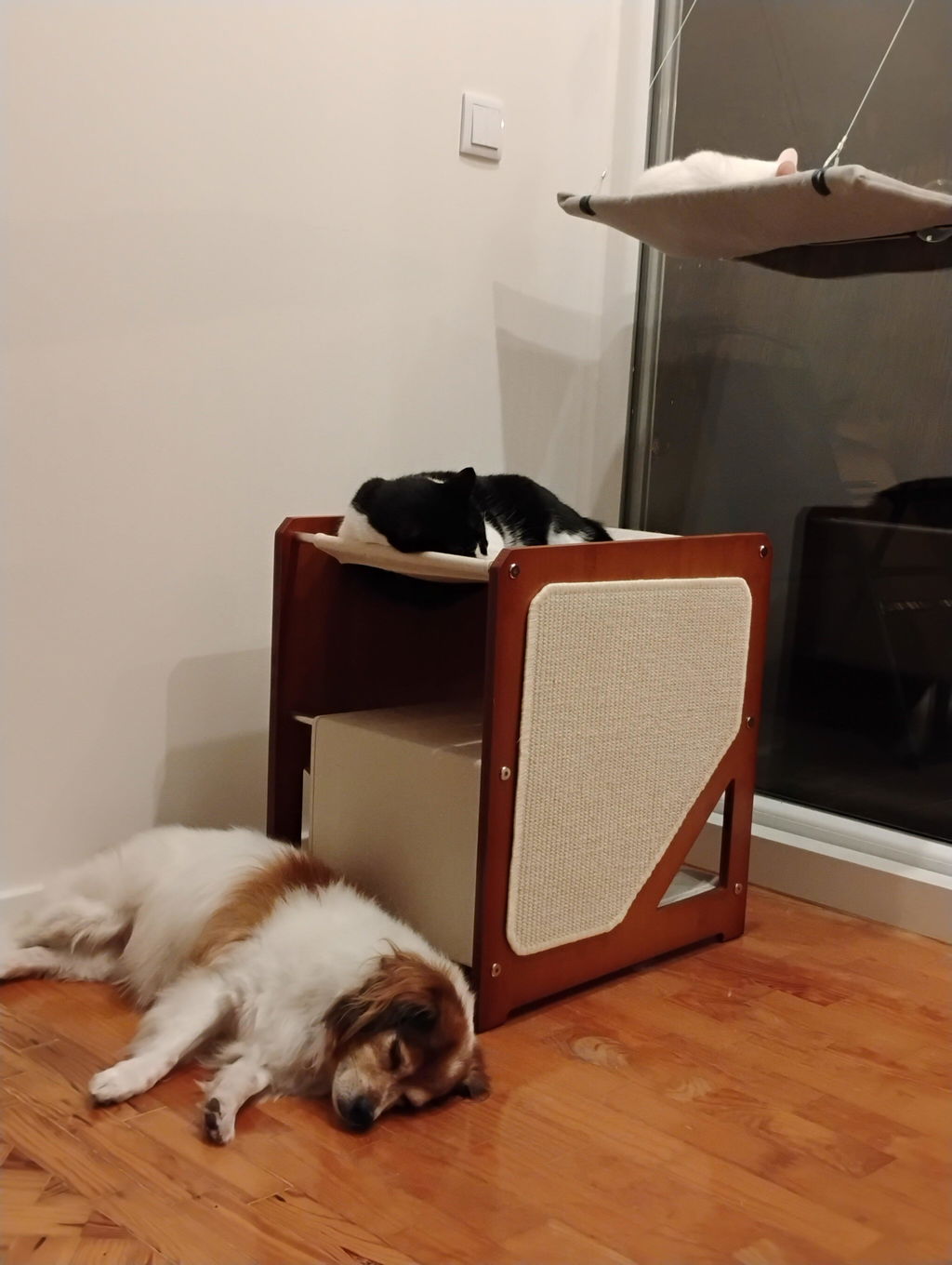
A designated "safe room" like a bathroom or spare bedroom provides security and comfort, reducing stress during the transition period. We also recommend including hiding spots (like the cat cubbies here) to give your cat a sense of security while letting them independently explore. This confined space allows your cat to acclimate at their own pace, making the move less overwhelming and more manageable.
Where should a cat sleep on its first night?
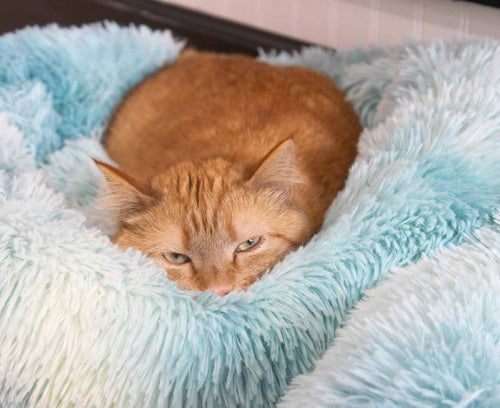
On their first night, it's best to let your new cat have the option to sleep in a quiet, cozy space where they can feel safe and secure, without worrying about other critters or humans. As previously mentioned, a small, enclosed “safe” room, like a bathroom or spare bedroom works well. If they’re more comfortable sleeping in the safe room, include a comfortable bed, familiar items like a blanket or toys, and all their essentials like food, water, and litter.
That being said, your new cat may also prefer to be close to you on their first night, so it truly depends on your cat’s preferences! No matter your cat’s unique tastes, there are pros and cons to both sleeping setups to consider:
Pros of Sleeping Separately:

Cons of Sleeping Separately:
How to Build a Bond with a New Cat
Set Your Expectations Realistically: The 3-3-3 Rule
Each cat is unique, and so your relationship timeline will be unique, it’s a good standard to measure your bond with the “3-3-3 Rule” to make sure your feline friend is acclimating appropriately.
In the first 3 days, your cat may feel overwhelmed and might hide, so don’t panic if you don’t instantly click! Some cats adjust more quickly than others, but it’s best to expect the first 3 days or so to have some timid behavior.

After 3 weeks, your kitty will (hopefully!) start to settle in, showing their true personality and becoming more comfortable around you, and the other members of your household. While it can take up to a year for a cat to become fully comfortable in their environment, if you can see them start coming out of their initial shell in the first 3 months, you’re doing great!
By 3 months, your cat should be almost fully adjusted, feeling safe and at home in your space! Each cat has their own personality and timeline, so even at 3 months if they are still prone to being scared by loud noises, new people, or other household members, it may still take a little longer for them to fully come to terms with their new home. Patience and gentle interaction are key during this period, helping to foster a strong, lasting, and loving bond with your feline friend.
How to Soothe a Newly Adopted Cat
We know we sound repetitive, but it can’t be said enough: creating a calm and safe environment is the best way to soothe your pet’s anxieties!
Apart from the tips we’ve already given throughout this blog, speaking softly and offering gentle pets can not only strengthen your relationship but also help your cat see you as a trusted protector, allowing them to be more comfortable around you. With this, try to avoid sudden movements or loud noises around your cat because that will have the opposite effect. Patience is key to getting your cat comfortable—give them time to adjust and build trust at their own pace, and soon they’ll feel safe and at home.

Addressing Common Issues of Newly Adopted Cats & FAQs
What to do if my new cat is crying or meowing?
If your new cat is crying or meowing in their designated “safe space”, they’re probably feeling stressed about being alone in their new environment. Cats are social creatures, so try sitting with them calmly, and speaking softly to reassure them of your presence, so they can feel safe and looked after. You can also try offering them comforting items like a favourite blanket or toy to help them feel more comfortable. If those techniques don’t work, try to identify any specific needs they may have, like hunger, thirst, or the need for a clean litter box. They may also be bored, and need more enrichment.While these tips aren’t guaranteed to work, they go a long way in helping you bond with your new cat or kitten. Remember, vocalising is normal for cats to express their emotions, so patience and gentleness are key as they get to know you and their new home.

Why is my adopted cat hiding?
If your newly adopted cat is hiding, don’t panic! They’re likely hiding because they’re overwhelmed and need to adjust to their new surroundings. Hiding is a natural behaviour for cats in unfamiliar environments and helps them feel safe.
To encourage them to come out and explore, make sure their safe space is comfortable and inviting with cozy beds, food, water, and toys. You can leave them alone to acclimate, or try and sit quietly nearby to build trust. After an initial adjustment period, if they’re still prone to hiding, you can use treats or toys to gently coax them out. All cats have their own special purrsonalities and preferences—let your cat come out at their own pace– there’s no “one-size-fits-all” solution to getting your kitty comfy!
What to do if the new cat isn’t eating?
Stress from their new environment can cause cats to lose their appetites, like when you’re travelling and the stress of getting where you need to be causes you to “forget” to eat! Encourage their appetite by ensuring their food and water are always available in their “safe space” to pick at, at their leisure.
If you think the type of food you’re offering affects their eating habits, try offering a variety–including wet food, which is often more enticing to cats (and better for hydrating them!). Warming wet food food slightly can also help make it even more appealing.
How to get an adopted cat to use the litter box?
Sometimes (depending on the age, and previous circumstances) your new cat won’t have any issues adapting to and using the litter box inside your home. However, if that isn’t quite your experience, have no fear! Getting your adopted cat to use the litter box could be solved by addressing some fairly simple common issues.

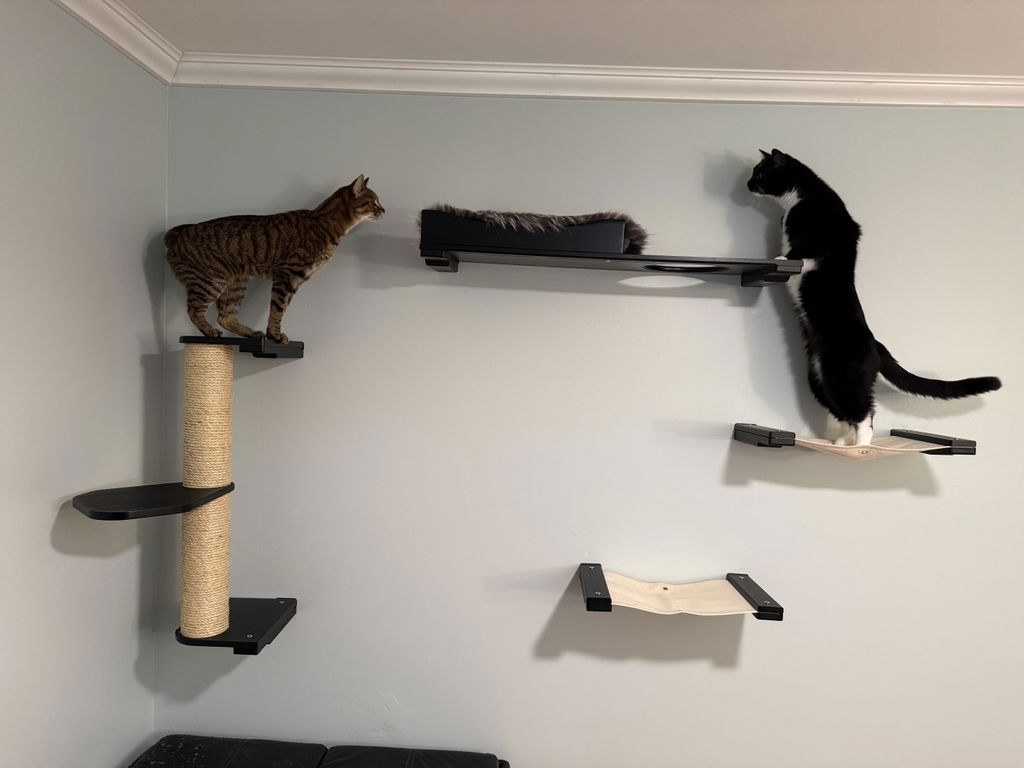
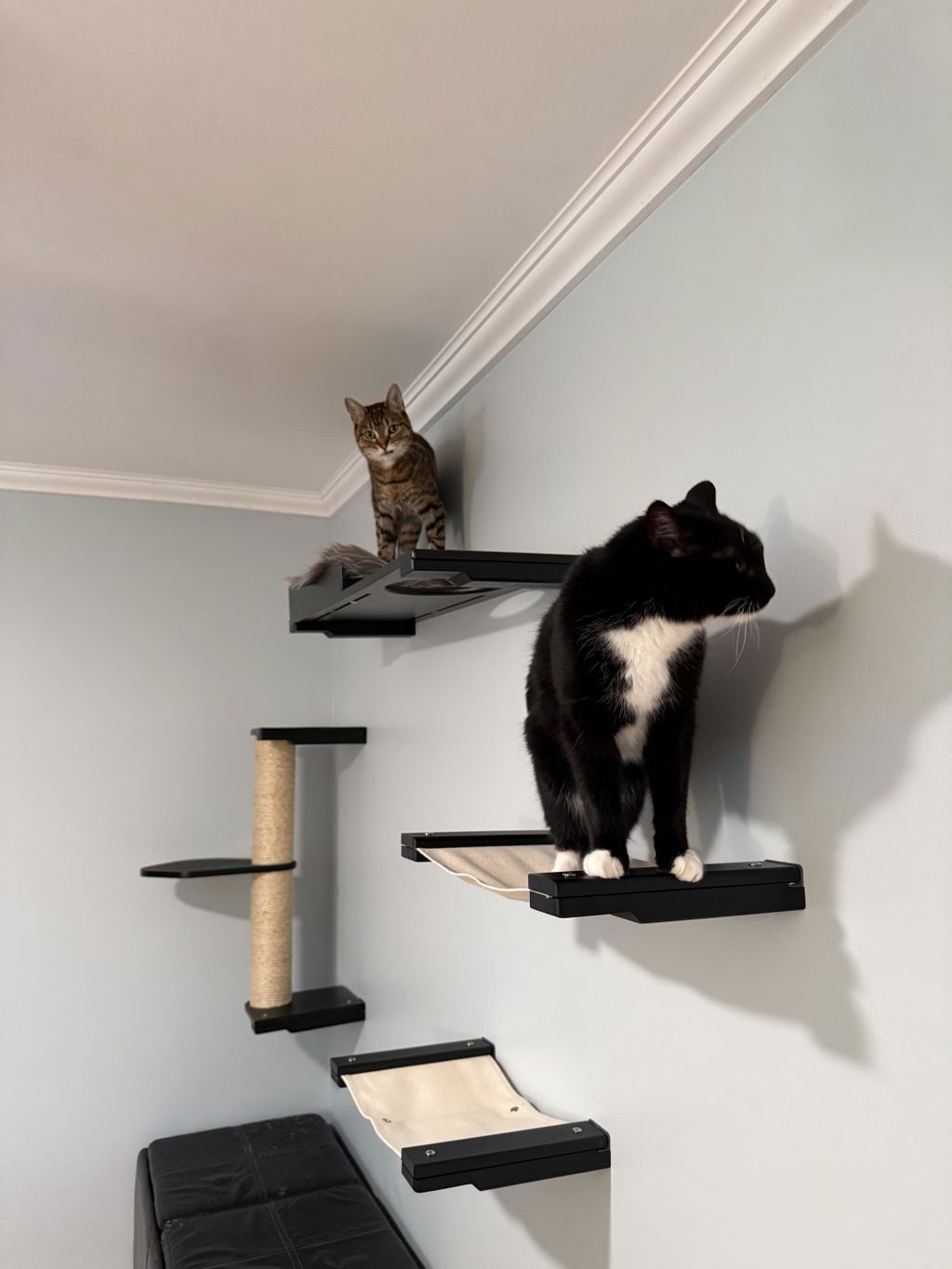
Still have questions? Don’t worry, we have answers. Check out our blogs on acclimating new cats, behaviour training, and introducing your new cat to your other pets for more tips and tricks. With the right preparation, you can help your new kitty’s first night be smooth and stress-free, giving you more time to start bonding! For products to make your cat's transition easier (or to spoil your current furry friends!), we have all you need to create an enriching and comfortable space, without ruining your aesthetic decor.
Whether it's some cute toys or a cool wall-mounted cat palace, you're bound to find something for even the most finicky of kittens! And really, who cares if they've been naughty or nice, right?
Read More »