
Planning a trip is exciting, but for cat parents, there's usually one big question lingering in the back of your mind: What to do with my cat when on vacation. Whether you’re heading out for a long weekend, a business trip, or a full week at the beach, figuring out the right care plan for your cat can feel overwhelming.
In this guide, we’ll walk through what to do with your cat when going on vacation, the pros and cons of each option, and how to prepare your home, and ways to make your cat feel safe and enriched while you’re away.
4 Main Options for Cat Care While You’re Away

Leave Your Cat at Home Alone
For many healthy adult cats, staying home in their familiar environment is actually the least stressful option. Cats are creatures of habit, and many would rather stay in their own territory than be introduced to a new environment.
If your trip is short, your cat has access to fresh water, enough food, clean litter boxes, and plenty of enrichment, this can work well. Technology like automatic feeders, water fountains, and pet cameras can also help you stay connected while you’re away. That said, “alone” doesn't mean unprepared. Your cat still needs stimulation, comfort, and a safe environment.
Leave Your Cat at Home With a Sitter
This is often the sweet spot for many cat parents. Your cat gets to stay in a familiar space while still receiving daily care, social interaction, and someone to spot any health issues early. Hiring a sitter can be ideal if your cat needs medication, enjoys human interaction, or if you’ll be gone more than a couple of days. If you’re wondering how to find a cat sitter, don't worry, we'll cover that in detail below.
Board Your Cat
Boarding can be a great option for cats who need frequent medical monitoring, daily medications, or households where leaving them home isn't practical. Some facilities offer private cat suites, playrooms, webcams, and enrichment sessions. Others are more basic, so researching your options matters. For some cats, unfamiliar smells, sounds, and routines can create stress.
Take Your Cat With You
Some cats genuinely enjoy traveling. If your cat is confident, adaptable, and comfortable in carriers or cars, bringing them along may be worth considering. This option works best for cats already exposed to travel gradually rather than being introduced to it for the first time right before a trip.
Choosing the Best Option for Your Cat
Consider Your Cat’s Personality
Some cats are social butterflies who greet every visitor at the door. Others disappear under the bed the second the doorbell rings. Knowing your cat's natural temperament is one of the biggest factors in choosing care.
A confident, curious cat may handle boarding or travel surprisingly well. A shy or routine-driven cat may feel much safer staying home with familiar scents, furniture, and routines. Age matters too. Kittens often need more supervision, while senior cats may have medical needs that require closer monitoring.

Consider Trip Length
A quick overnight trip is very different from being gone for a full week. For short trips, some cats can do well with automated feeding systems, and enrichment. For anything beyond 24-48 hours, daily human check-ins become much more important. If you’re gone for a week or longer, a sitter, trusted family member, or boarding facility usually becomes the safer choice.
Consider Stress vs Convenience
Sometimes the easiest option for you isn't the easiest option for your cat. Driving your cat to a boarding facility may be convenient, but if car rides cause panic, staying home may be less stressful. Likewise, leaving your cat solo may sound simple, but highly social cats may struggle with loneliness. The goal is finding the balance between your travel plans and your cat’s emotional well-being.
Leaving Your Cat at Home Solo
Why Staying Home Is Often Best for Cats
Cats are territorial by nature. Their home isn't just where they sleep, it's their safe zone. Keeping your cats in their familiar environment means their scents, climbing spots, feeding stations, and favorite nap areas stay exactly where they expect them. That consistency can dramatically reduce stress.
How long can you leave a cat alone?
Healthy adult cats can often handle 24 hours alone if they have food, water and a clean litter box. Beyond that, daily check-ins are strongly recommended. Kittens, seniors, diabetic cats, or cats with medical needs may require multiple visits each day.
What Your Cat Needs While You’re Away
Preparing Your Home Before You Go
Before leaving, create a space that feels safe, stimulating, and predictable.

Make sure to:
-
Cat-proof your home by removing cords, be sure your accessible plants are cat-safe, and any toxic plants are out of your cat's reach
-
Set up multiple water sources
-
Provide extra litter boxes
-
Leave blinds partially open for window viewing
-
Keep favorite sleep areas accessible
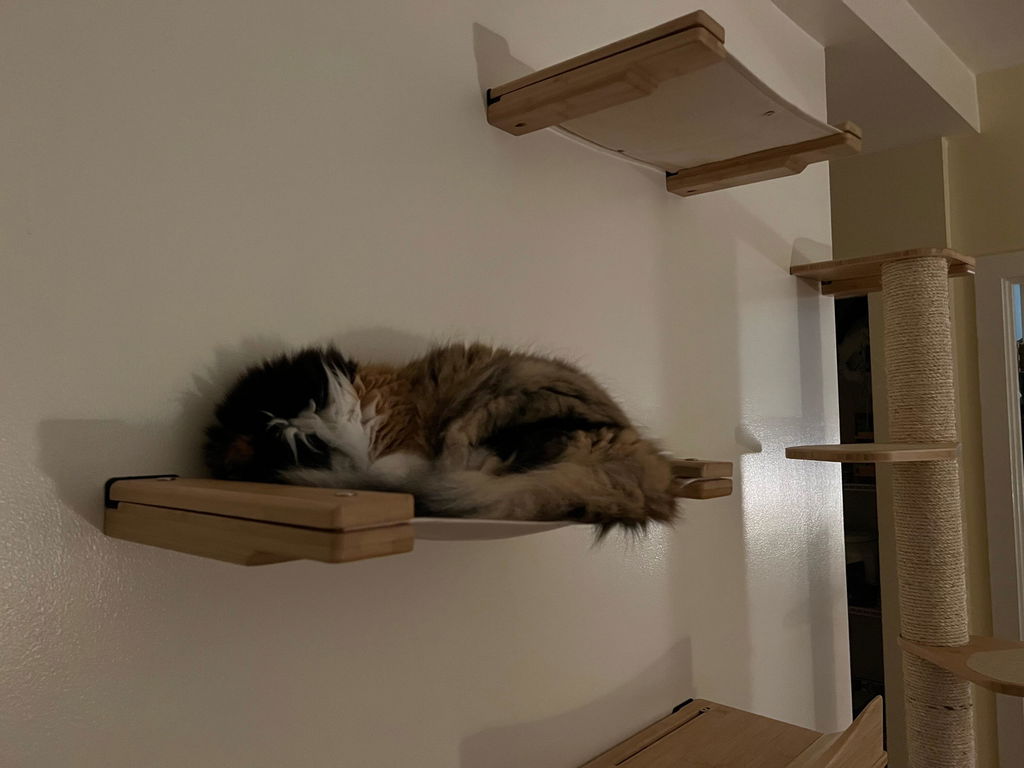
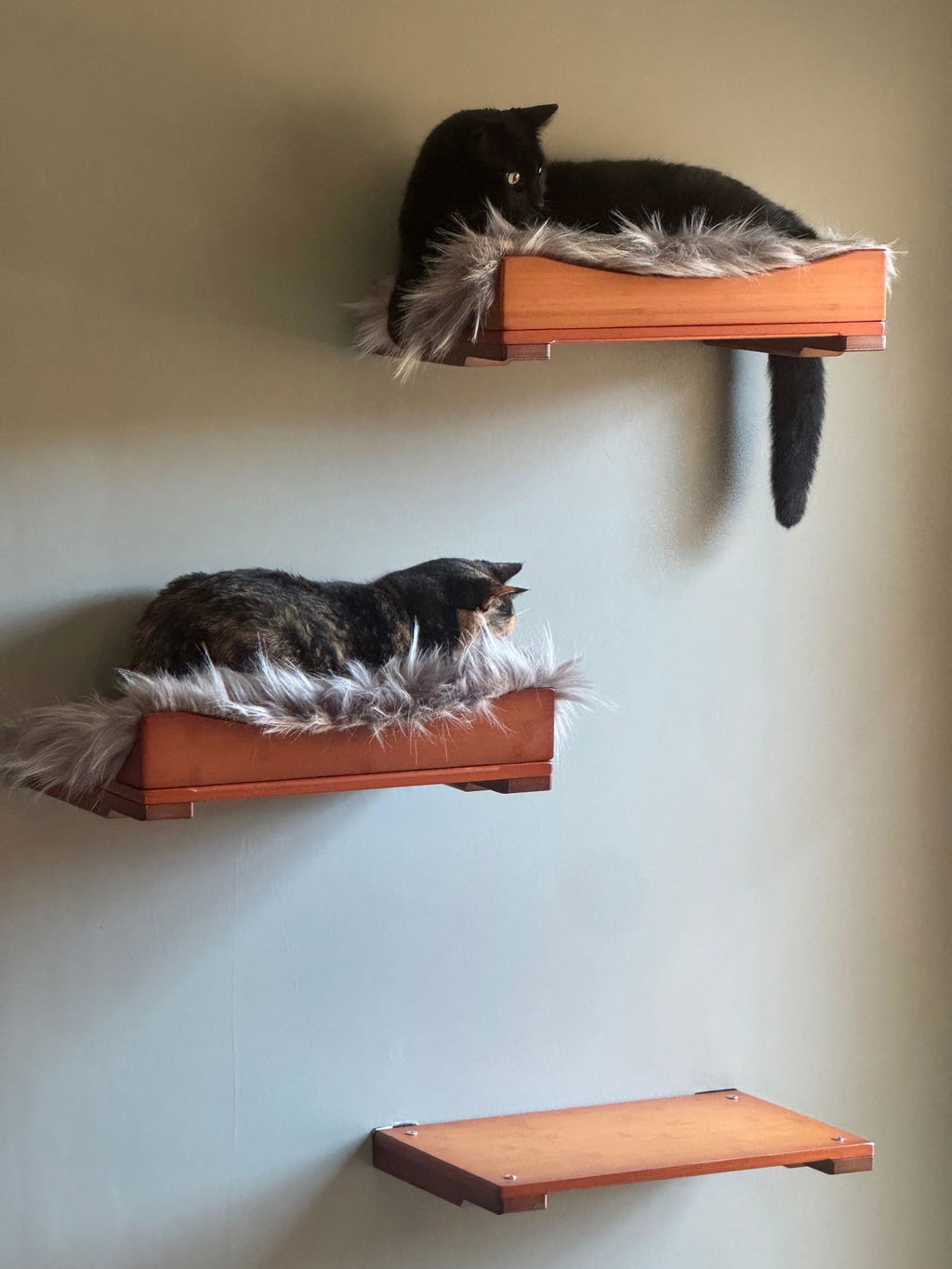
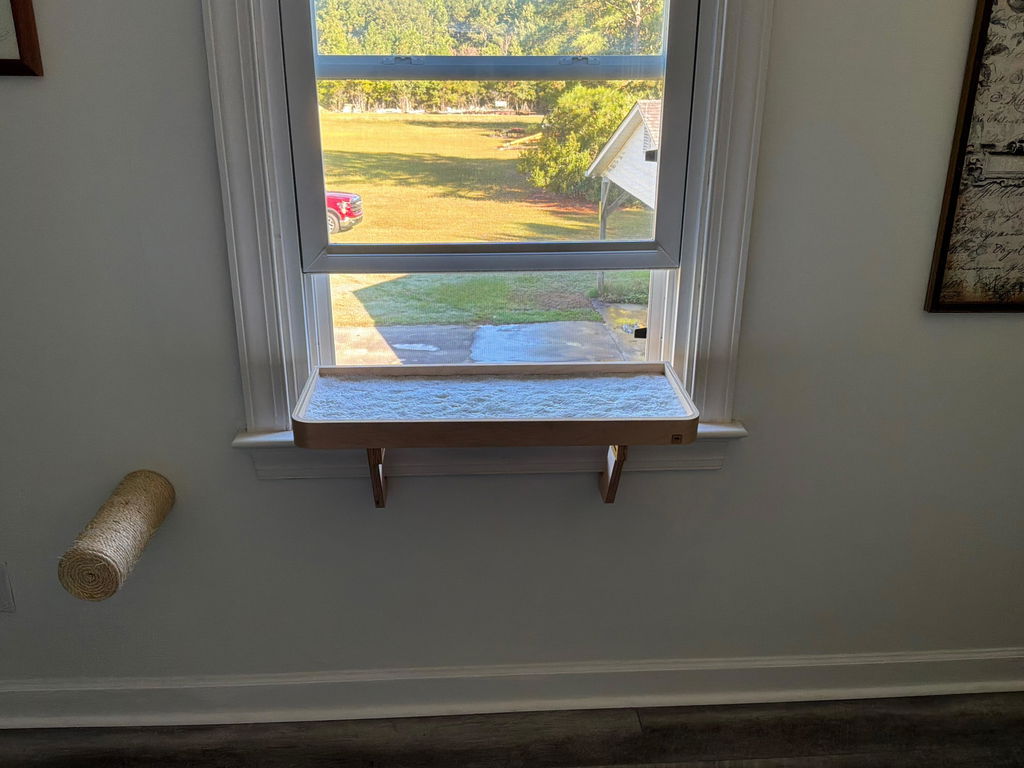
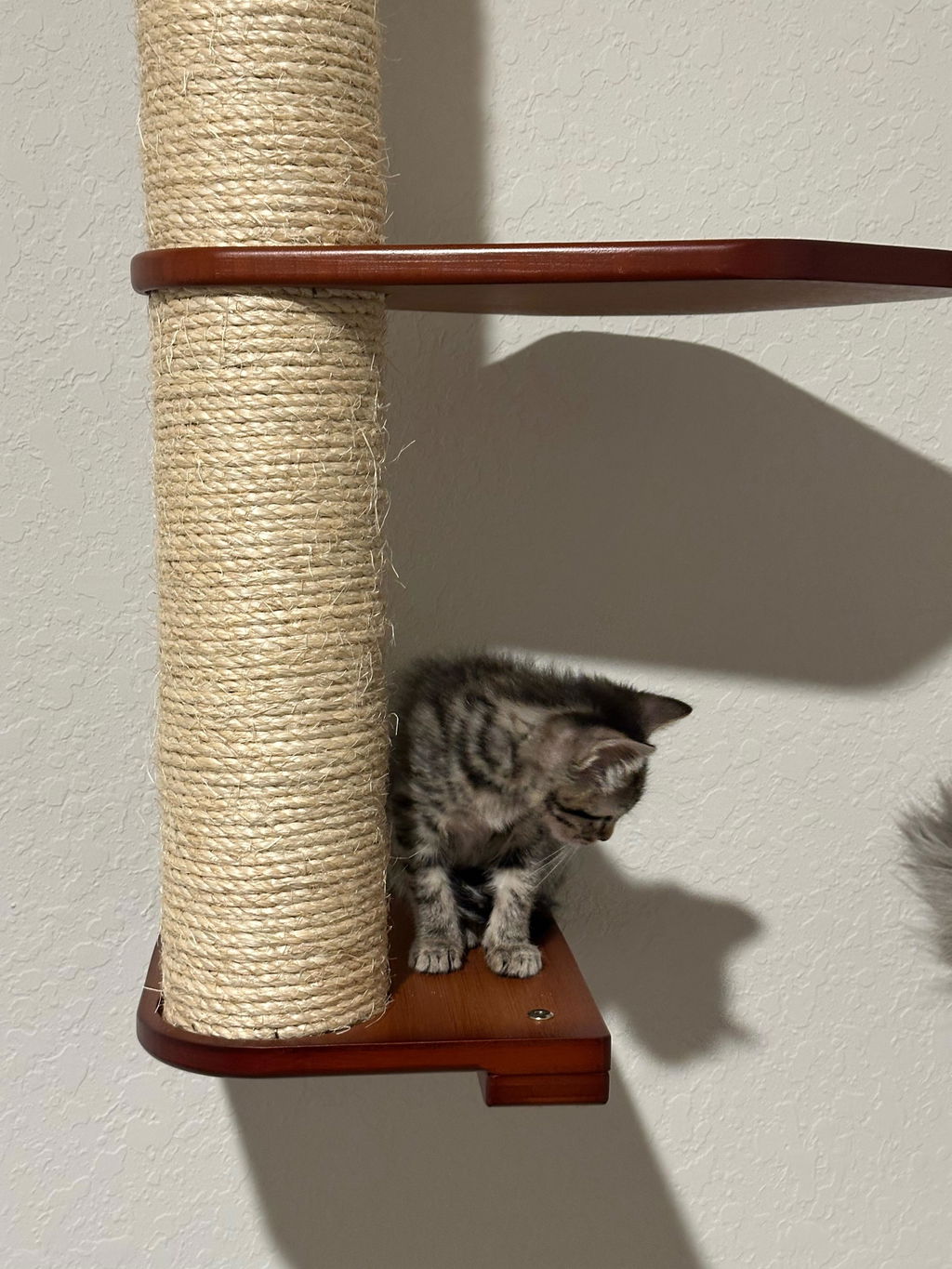
Vertical space can also make a huge difference. Cats naturally feel safer when they can climb, perch, and observe.
How to Help Your Cat Feel Less Lonely While You’re Away
A few simple comfort tricks can help:
-
Leave a worn t-shirt or blanket with your scent
-
Set up puzzle feeders
- Keep in mind that many cat toys come with warnings recommending supervision during play to prevent the possibility of choking on small parts.
-
Leave bird videos on a timer
-
Hide treats throughout the house for mini scavenger hunts
Small comforts can go a long way.

Leaving Your Cat at Home with a Sitter
How to Find a Cat Sitter You Can Trust
If you’re wondering how to find a cat sitter or how to find a good cat sitter, start with trusted sources and be sure to carefully read through reviews. Preferably somebody with behavioral experience with cats.
If you have a family member or a friend who already knows your cat, that may be the best option. Even if it's just stopping by a couple of times a day to make sure they're getting food, changing litter, and making sure your pet has access to water.
Apps and Services
Local Networks
-
Neighborhood Facebook groups
-
Local rescue volunteers
-
Cat-specific online communities
Ask Your Vet!
Veterinary clinics often know reliable local sitters and technicians who offer in-home visits.
Questions to Ask a Cat Sitter
Before hiring someone, these questions to ask a cat sitter can make all the difference:
-
How much experience do you have specifically with cats?
-
How often will you visit each day?
-
How long will each visit last?
-
What happens if my cat hides during the visits?
-
How do you handle emergencies?
-
Can you send photos and updates?
-
Are you insured or bonded?
-
Have you administered medications to a cat before?
-
Have you cared for senior cats or cats with special needs?

How Much Does a Cat Sitter Cost?
One of the most common questions is how much to pay a cat sitter. Typical cat sitter cost ranges:
-
One daily visit: $20 - $35
-
Two visits daily: $35 - $60
-
Medication administration may add additional cost.
-
Holiday visits may call for premium pricing.
If you’re wondering how much to pay a cat sitter for a week, many cat parents spend between $140-400+, depending on visit frequency, location, and level of care.
Factors that affect price:
-
Number of cats
-
Medication needs
-
Holiday scheduling
-
Travel distance
-
Length of each visit

Boarding Your Cat: What to Know Before You Book
If you decide to go this route, keep in mind this unfamiliare change in environment can bring a lot of extra stress to your cat.
Pros of Boarding
-
Staff supervision
-
Medication support
-
Emergency access
-
Structured feeding schedules
-
Climate-controlled environment
Cons of Boarding
-
Unfamiliar smells
-
Transportation stress
-
Noise from other animals
-
Higher cost
-
Potential exposure to illness
How to Choose the Right Boarding Facility
Start by reading reviews and seeing what other pet owners have to say about the facility. If possible, look for a location that specializes in cat boarding. If the facility boards both cats and dogs, pay close attention to reviews from cat owners to get a better sense of their experience.

Before booking, consider scheduling a tour so you can see the facility for yourself. Look for clean enclosures, good ventilation, secure housing, and a calm environment. Don't hesitate to ask questions about staff experience, feeding routines, medication administration, emergency procedures, and how often cats receive attention and enrichment.
Some other things to watch for include:
-
Clean litter areas
-
Separate cat-only spaces
- Opportunities for play, enrichment
-
Vaccine and health requirements
-
Staff with feline experience
-
Emergency veterinary partnership
-
Comfortable hiding spaces
-
Transparent policies

Traveling With Your Cat
Some cats genuinely enjoy road trips, RV adventures, or extended stays in vacation homes.
Cats who travel best usually:
-
Are naturally confident
-
Adapt well to routine changes
-
Have been carrier-trained early
-
Stay calm during car rides

Credit: @fisherthemainecoon
Preparing for Cat Travel
Practice before your trip. Take short car rides, reward calm behavior, and let your cat spend time in their carrier with treats and toys so it feels familiar. Looking for more tips? See our guide to promoting positive behavior.
What to Pack for Your Cat
Below is a list of recommended items to pack for your cat:
-
Carrier
-
Food
-
Water
-
Bowls
-
Medications
-
Litter box
-
Litter
-
Litter scoop
-
Favorite blanket
-
Toys
-
Scratcher
- Calming pheromone diffuser
-
Cat harness and leash
-
Vaccination records
-
Treats
- Catnip & silvervine sticks
Short and Simple: Going Away on Vacation? The Best Choice Depends on Your Cat
At the end of the day, there’s no universal answer for what to do with your cat when on vacation. Some cats thrive at home with a sitter. Others do fine boarding. A few adventurous cats may even love traveling beside you and we've compiled some tips for those traveling cats here. The best plan is the one that fits your cat’s personality, your trip length, and their comfort level because no one knows your cat better than you.