
Living with cats can feel like sharing your home with a tiny cryptographer. One minute they’re slow blinking at you from across the room, and the next they’re sprinting through the hallway at 3 a.m. seemingly for no reason. If you’ve ever found yourself looking up different cat behaviors online, you’re definitely not alone.
The good news? Most feline quirks aren't random, spiteful or “bad”. They’re communicating. This guide is here to help with understanding cat behavior, decoding what your cat is actually trying to tell you. Once you understand the why behind your cat's actions, addressing cat behavior problems becomes much easier.
Why Understanding Cat Behavior Matters
Cats aren't wired like humans or dogs. Many things people label as “bad behavior" are actually normal feline instincts playing out in a modern home.
Scratching the couch? That’s territory marking.
Knocking things off the counter? Often curiosity.
Staring at the wall for ten minutes? Possibly hearing something you can't.
A big part of cat behavior training is learning the difference between instinctive behaviors and true cat behavior issues. When those natural instincts don't have a healthy outlet, that's often when cat behavior problems start showing up.
If you’re currently working through specific issues like scratching, spraying, or aggression, be sure to check out our deeper guide on fixing common cat behavior problems.
Cat Body Language Basics
When it comes with cat behavior and body language explained, the biggest mistake people make is focusing on just one signal. Cats communicate with their whole body, not just their tail or ears.
A relaxed cat usually has loose muscles, soft eyes and calm movements, while a stressed cat often becomes stiff, crouched, wide-eyed and overly alert. Learning these small cues makes cat behavior meanings much easier to understand.

Cat Tail Behavior Decoded
A cat's tail is basically an emotional status bar.
Here's a quick cat behavior chart for tail language:

Tail Position vs What It Usually Means
-
Straight up = Friendly, confident, happy
-
Curved like a question mark = Playful, curious
-
Puffed up = Fear, surprise, defensive
-
Low or tucked = Anxiety, uncertainty
-
Fast flicking = Irritation, overstimulation
-
Slow swishing = Focus, hunting mode
Once you understand cat tail behavior, you'll start to notice your cat “talking” all day.
Ear Positions and What They Mean
Ears are one of the fastest ways to read cat behavior meanings.

-
Forward ears = relaxed curious
-
Sideways ears = unsure, cautious
-
Flattened ears = fearful, defensive, overstimulated
If flattened ears comes with a stiff body, and tail twitching, that could signal aggressive cat behavior.
Eye and Facial Expressions
Cats do a large amount of communication through their eyes. Paying attention to these signs helps you understand and build a relationship with your cat. Their eyes, pupils, and expressions can give a lot of insight into how relaxed, happy, or upset your cat is at the time. 
-
Slow blinks = trust, affection
-
Wide Pupils = excitement, fear, or play
-
Half-closed eyes = comfort
-
Intense staring = focus, curiosity, or hunting
Want to know if your cat loves you? Slow blinking is one of the clearest signs.
For a deeper breakdown of cat facial expressions, see our guide here.
Posture and Movement
Body posture tells a bigger story than many people realize.

-
Loaf position = content and relaxed
-
Crouched low = nervous or preparing to move
-
Arched back = fear, play or surprise
-
Wobbly movement = could be playful, sleepy, or potentially medical if persistent
Reading posture is a huge part of understanding cat behavior.
Unpacking 9 Common Cat Behaviors and Why They Happen
1. Why do cats knead?
The behavior of a cat kneading usually comes back to kittenhood. Nursing kittens knead their mother to stimulate milk flow, and many carry that comfort and behavior into adulthood.
If you’ve ever wondered, why do cats suckle?, it's often tied to that early comfort association.
Kneading usually means:
-
Comfort
-
Security
-
Bonding
-
Territory marking through scent glands

2. Why do cats chirp or chatter?
Bird outside the window? Suddenly your cat sounds like a tiny alien.
Cat chirping often comes down to hunting excitement. Some experts believe it's frustration from seeing prey they can't reach, while others think it's instructive prey mimicry. Either way, it's completely natural and very cute.
3. Why do cats lick or over-groom?
Licking is normal grooming behavior, but excessive licking can signal:
-
Stress
-
Allergies
-
Pain
-
Boerdom
Some cats even show cat stimming behavior explained through repetitive grooming or pacing when overstimulated. If bald spots appear, talk with your vet.
4. Why do cats scratch furniture?
Scratching isn't rebellion, but it is:
-
Nail maintenance
-
Stretching
-
Territory marking
-
Stress relief
One of the easiest ways of how to correct cat behavior around scratching is by giving them vertical scratching surfaces that satisfy those instincts.
5. Why do cats zoom around at night?
The infamous midnight zoomies. Cats are naturally crepuscular, meaning they’re most active around dawn and dusk. Without enough enrichment, all that energy has to go somewhere. This is where cat behavior training and enrichment make a huge difference.
6. Why do cats follow you around everywhere?
A clingy cat may simply feel bonded to you. Cats may follow you because:
-
You’re their safe person
-
They’ve learned you equal food
-
They’re curious
-
They want social interaction
-
They’re cuddling without actually cuddling
7. Why is my cat being aggressive?
Not all aggressive cat behavior is the same.
Fear Aggression = “I’m scared. Stay back.”
Play Aggression = “I’m overstimulated and practicing hunting.”
Redirected Aggression = “I saw something stressful and now I'm taking it out here.”
Understanding the trigger is step one in how to fix cat behavior problems.
8. Why is my cat peeing on everything?
Few cat behavior issues peeing are actually about “revenge.”
Inappropriate elimination usually comes down to:
-
Stress
-
Territory concerns
-
Dirty litter boxes
-
Medical issues
Sudden changes should always be discussed with your veterinarian first.
9. Why is my cat being so loud?
Excessive vocalization can mean:
-
Hunger
-
Attention seeking
-
Stress
-
Learned behavior
-
Breed-specific communication
Some breeds, like Siamese cats, are naturally more vocal than others. Age, gender, and reproductive status can all affect vocal behavior.
How Your Home Shapes Cat Behavior
Your home environment has a bigger impact on cat behavior issues than many people realize. A house built for humans isn't always built for cats.
The Importance of Vertical Space
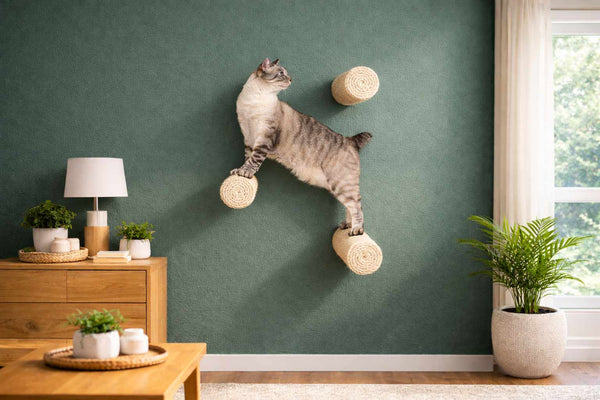
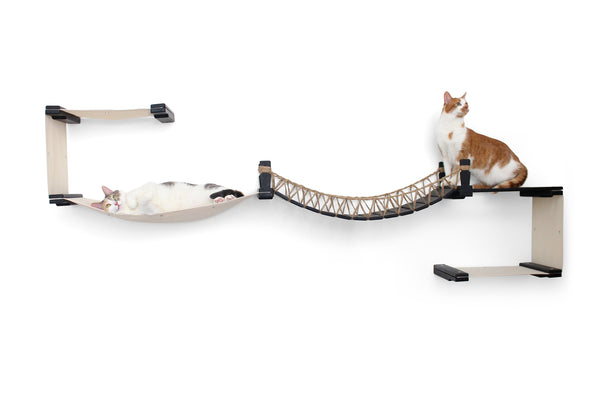
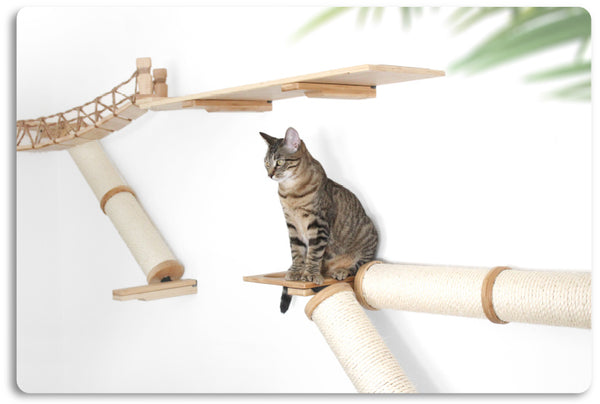
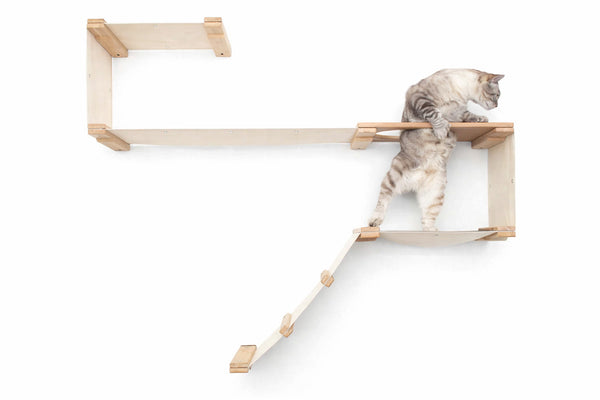
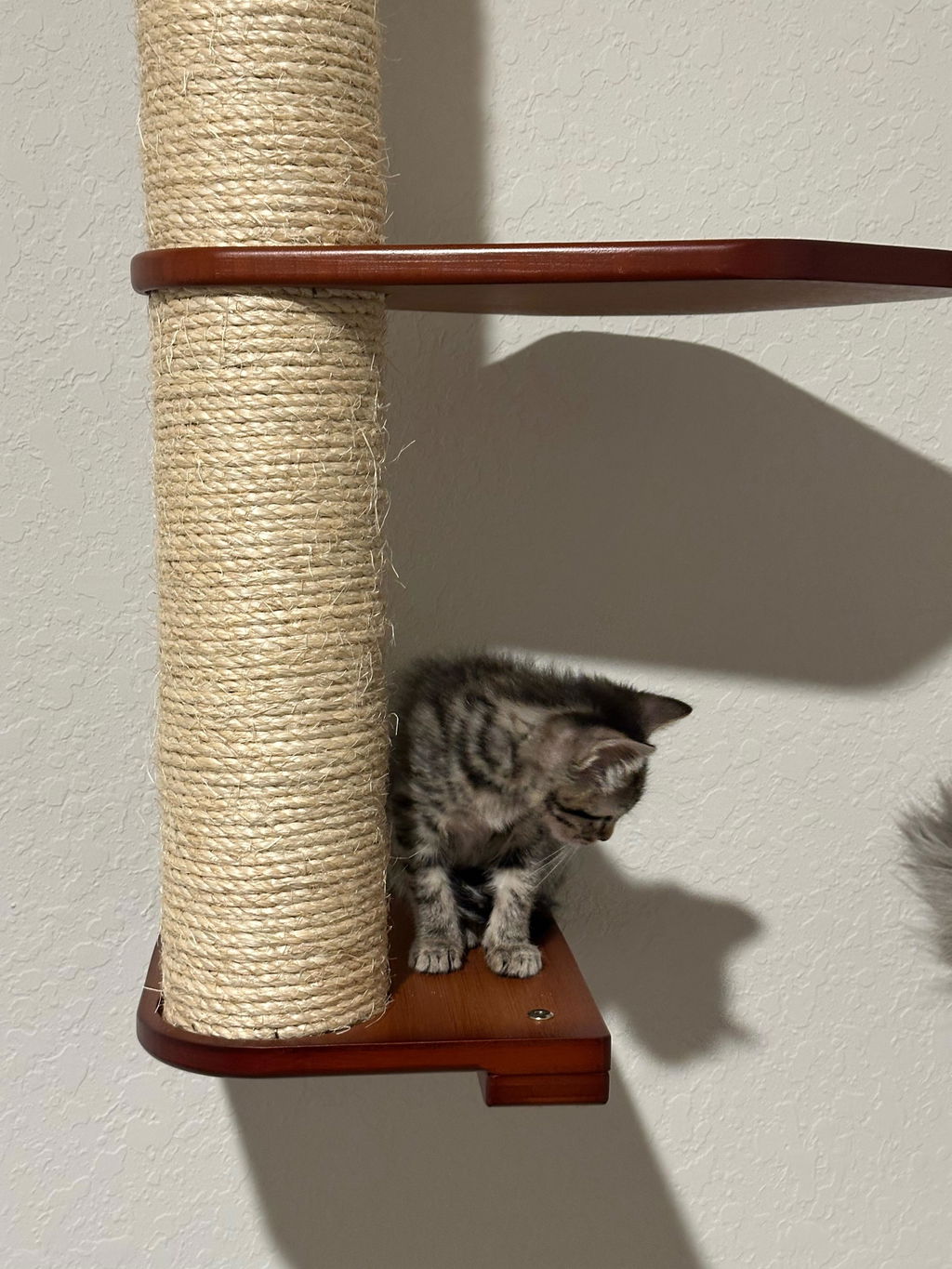
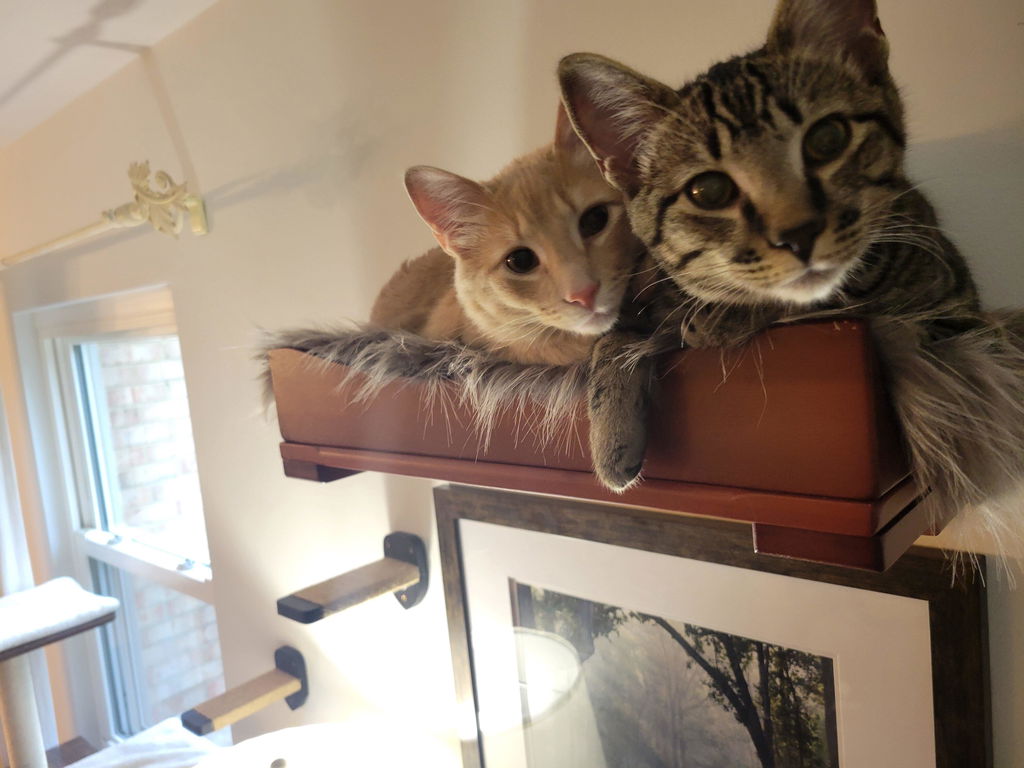
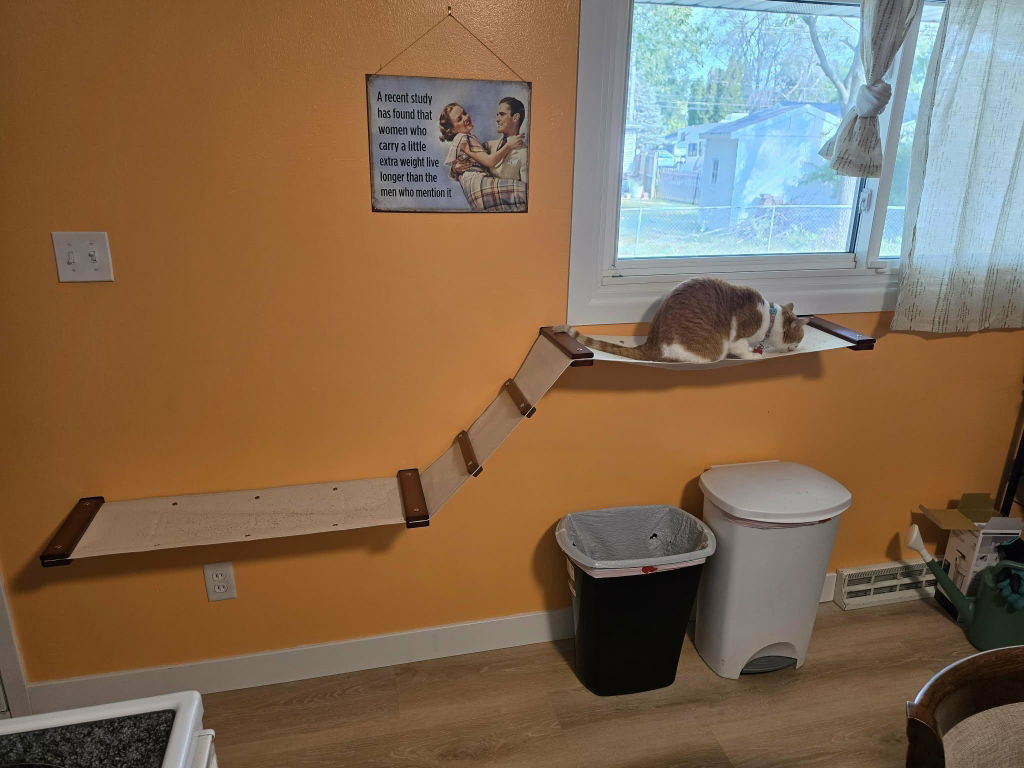
In the wild, cats climb to feel safe, observe their surroundings, and avoid conflict. That instinct doesn't disappear indoors. Adding vertical territory can dramatically improve cat behavior problems, especially in multi- cat homes.
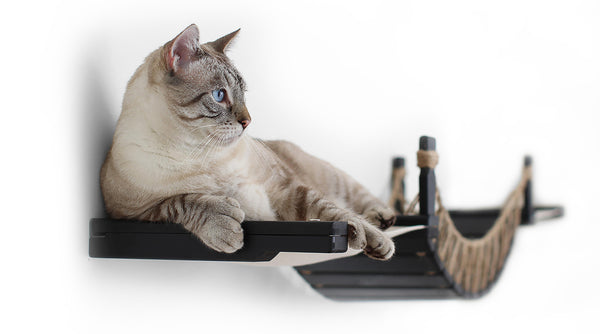
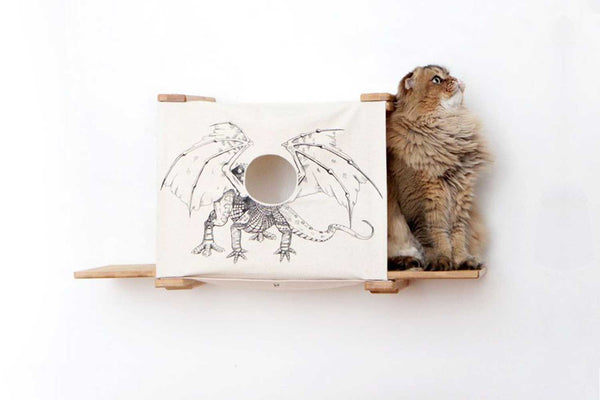
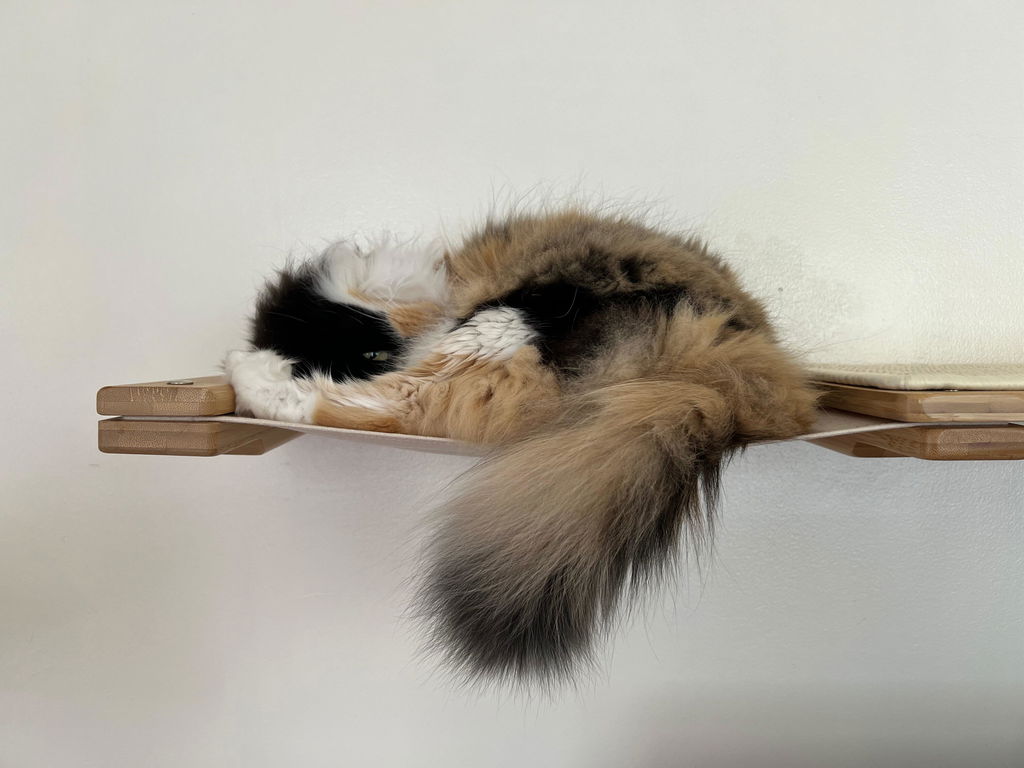
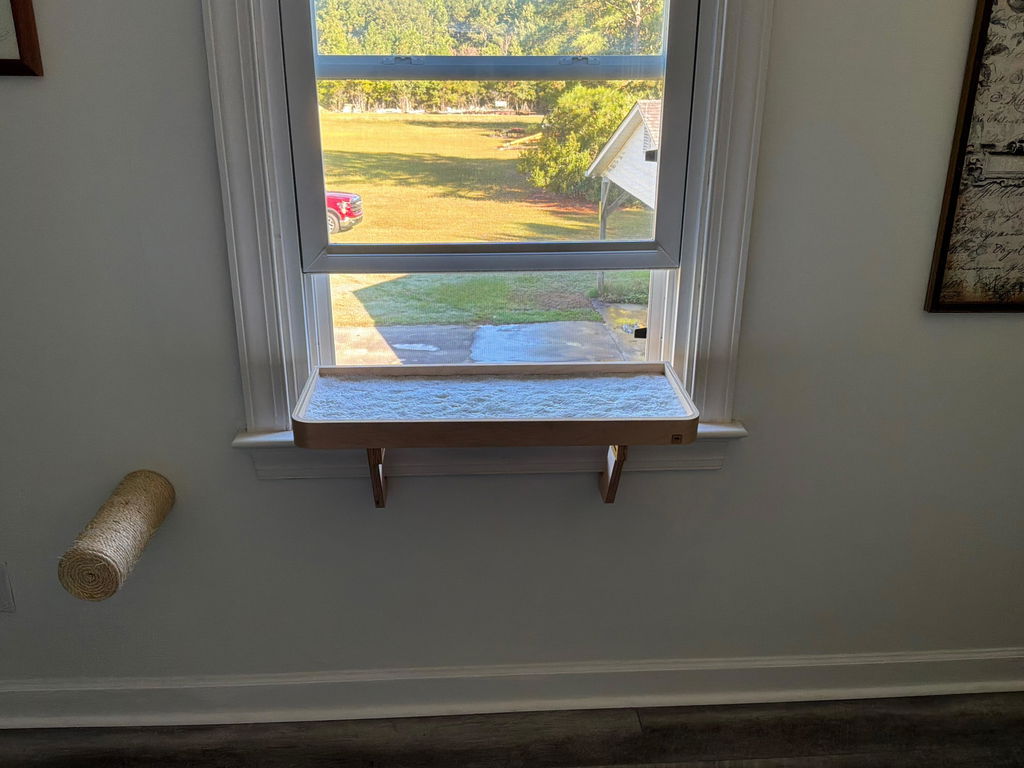
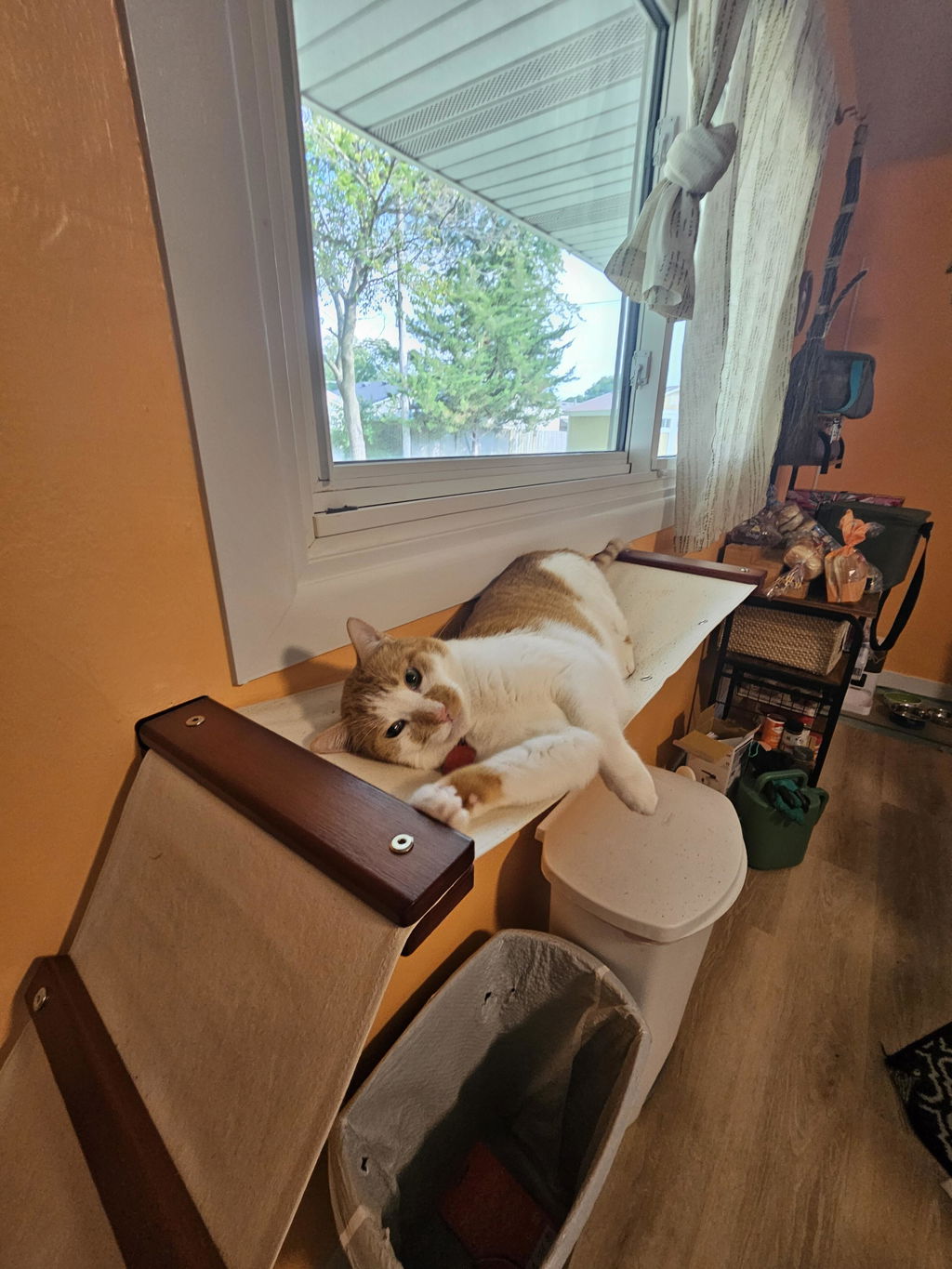
That’s exactly why our wall-mounted cat furniture was designed to work with feline instincts, not against them. From climbing shelves to hammocks, to bridges, giving cats elevated pathways helps support healthier, more confident behavior. Need suggestions on placement? See our blog here for some tips.
Enrichment Lightens Behavior Problems
Many cat behavior issues are really boredom issues. Lack of stimulation can lead to:
-
Over grooming
-
Scratching
-
Staring
-
Excessive vocalization
-
Night zoomies
-
Attention-seeking
Daily enrichment makes cat behavior training easier and helps prevent problem behaviors before they start. Check out our enrichment guide for more details. 
Multi-Cat or Pet Dynamics
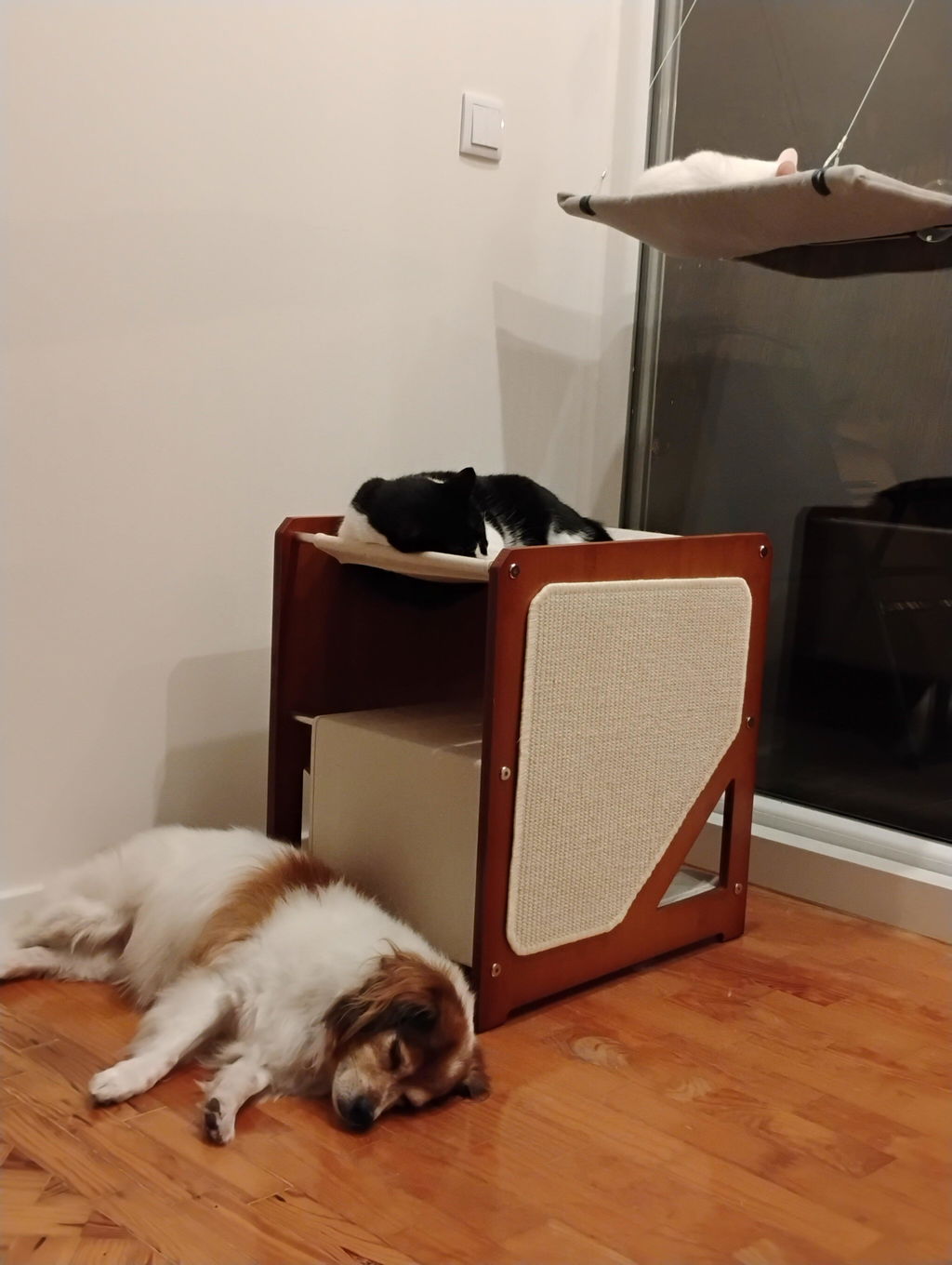
Introducing pets takes patience. Cat behavior when meeting dogs often includes:
-
Staring
-
Slow approaches
-
Hiding
-
Puffing
-
Vocalizing
That's all normal. The goal isn't instant friendship, it’s safe coexistence. Read our guide on introducing cats and dogs here. Introducing cats? See our guide for cats here.
Final Answers to Cat Behavior Questions
Does spaying or neutering change behavior?
Yes, in many cases. If you’re wondering, does spaying/neutering change cat behavior, the answer if often yes, especially around:
-
Spraying
-
Roaming
-
Territorial behaviors
-
Vocalization
A common question is: how long after neutering does behavior change a cat? Some changes happen within days, while hormone-driven behaviors may take several weeks to fully settle.
When to seek help for cat behavior?
Talk to your vet or behavior specialist if you notice:
-
Sudden aggressive cat behavior
-
Persistent elimination issues
-
Major appetite changes
-
Withdrawal
-
Severe clinginess
-
Cat behavior when dying concerns
-
Cat behavior when pregnant changes that seem unusual
Behavior changes are often communication, and sometimes that communication is medical.
Cats may be mysterious, but they’re rarely random. Once you start seeing the world through feline instincts, cat behavior meanings become a lot easier to read, and a lot more fascinating.
The better we understand them, the better we can build homes that help them feel safe, confident and completely themselves.