
Tabitha Kucera RVT, VTS (Behavior) CCBC, KPA-CTP
If you’ve ever looked at your cat and wondered, “Why are they doing that?” you’re not alone. Cats are often misunderstood, and many behaviors that seem frustrating are completely normal.
Understanding your cat starts with one simple truth: behavior is communication. When you begin to see your cat’s actions as messages instead of problems, everything changes, and your relationship improves.
Behavior Isn’t “Bad”... It’s Information
Cats don’t act out of spite or revenge. They’re not trying to be difficult. Instead, their behavior reflects instinct, emotional state, and physical needs.
Whether it’s scratching furniture, hiding under the bed, or avoiding the litter box, these actions aren’t personal, they’re clues. Often, a cat isn’t giving you a hard time… they’re having a hard time.
When you shift from frustration to curiosity, you can better understand what your cat needs and create a calmer, more supportive environment.
Why Do Cats Knead
Kneading is the rhythmic motion of a cat pushing their paws in and out against a soft surface, like a blanket, pillow, or even you. This behavior begins in kittenhood, when kittens knead their mother’s belly to stimulate milk flow.
As cats grow, many continue to knead because it remains strongly associated with comfort, safety, and closeness. If your cat kneads on your lap or chest, it’s usually a sign that they feel secure with you and see you as a source of reassurance and care.
Some cats may even drool while kneading, a leftover instinct from nursing. While not every cat kneads as an adult, those that do are typically expressing contentment, trust, and relaxation.
Kneading can also serve additional purposes. Cats have scent glands in their paw pads, so kneading allows them to leave behind their scent on a blanket or other resting spot as their own, creating a familiar and comforting environment.

Why Cats Hide
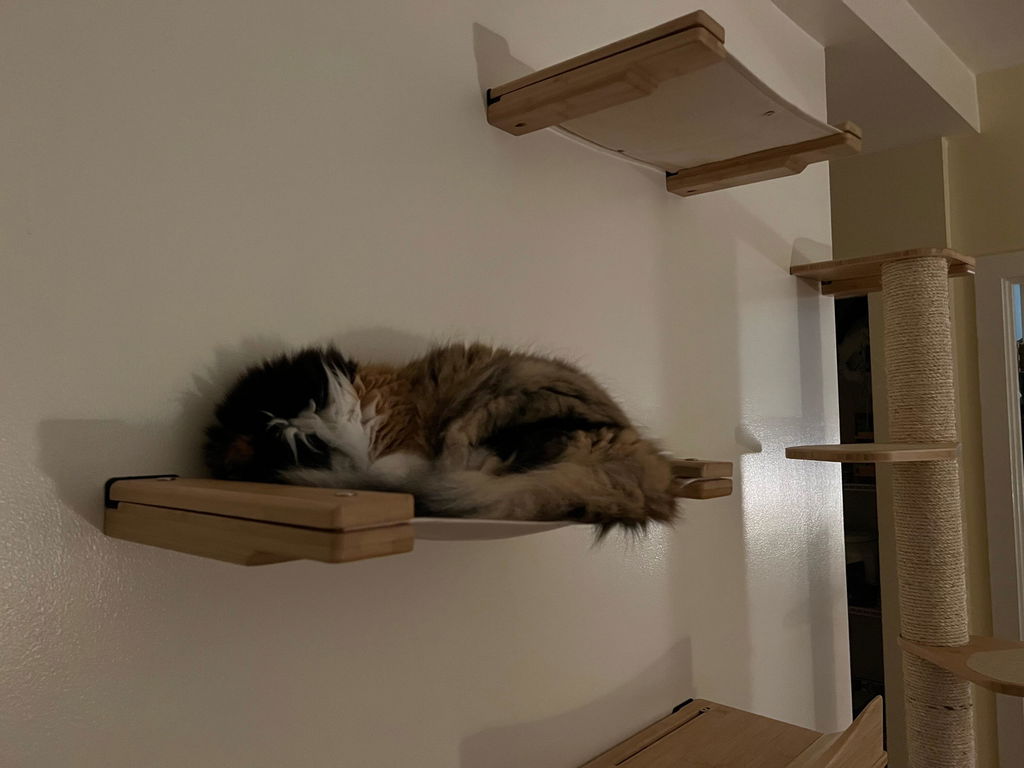
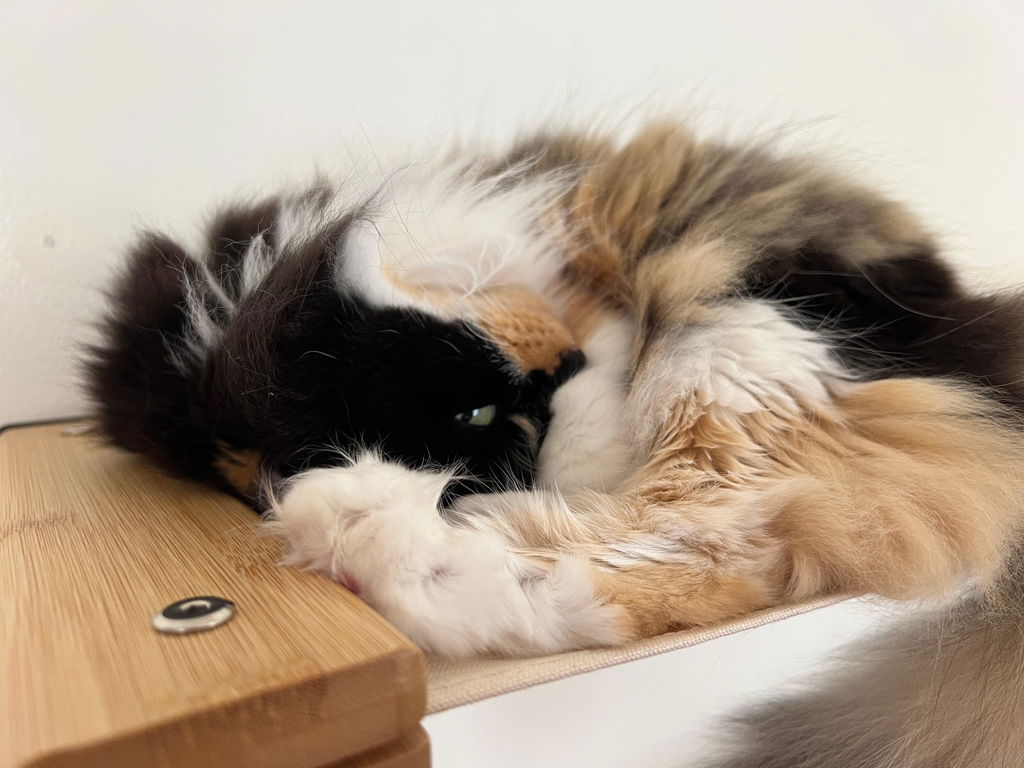
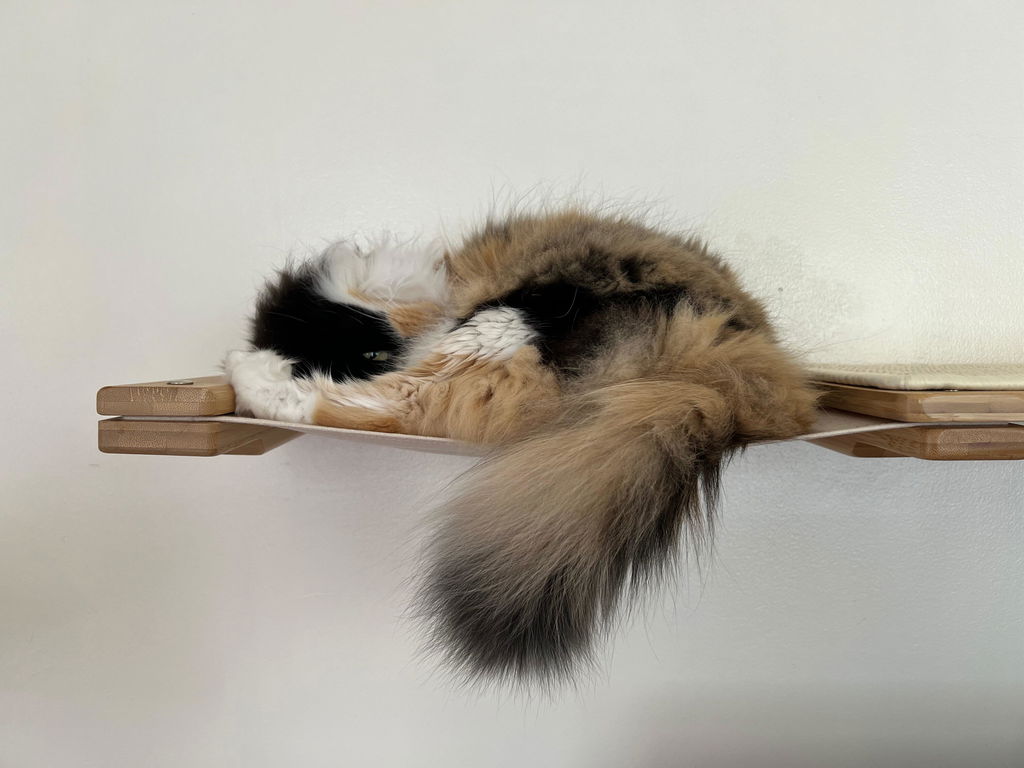
It’s completely normal for cats to hide. They may hide themselves away to find a safe place to sleep, quietly observe their surroundings, or lie in wait while “hunting” a toy. For many cats, being hidden simply feels more secure and comfortable.
However, if your cat starts hiding more than usual, it may be a sign that something isn’t quite right. Increased hiding can indicate stress, discomfort, or illness, so it’s important to pay attention to changes in this behavior and consider a veterinary check to rule out any underlying health issues.
Hiding is a natural survival instinct. Because cats are both predators and prey, they’re wired to seek out enclosed, quiet spaces when they feel overwhelmed, threatened, or unwell.

Common Reasons Cats Hide Include:
- Stress or environmental changes (moving, visitors, loud noises)
- Fear
- A need for uninterrupted rest
- Illness or injury
When Should You Be Concerned?
Occasional hiding is nothing to worry about. However, it’s important to take a closer look if your cat:
- Suddenly hides more than usual
- Avoids their usual favorite resting spots
- Seems lethargic or withdrawn
Cats are very good at masking pain, which means even subtle behavior changes can be early warning signs of illness. If hiding becomes persistent or is accompanied by other symptoms, a visit to the veterinarian is the safest next step.
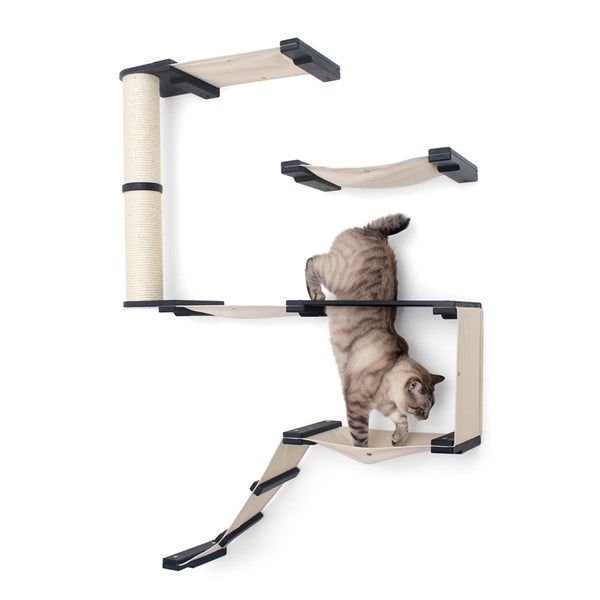
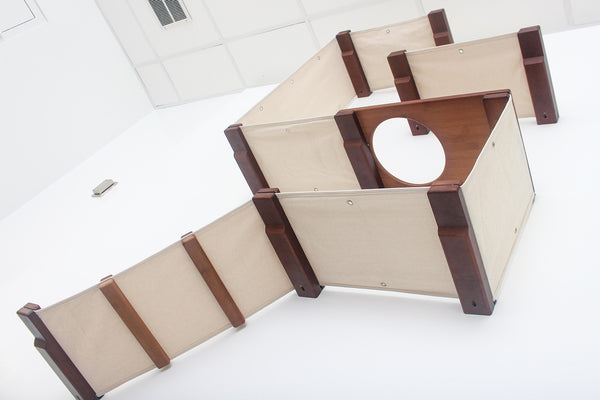
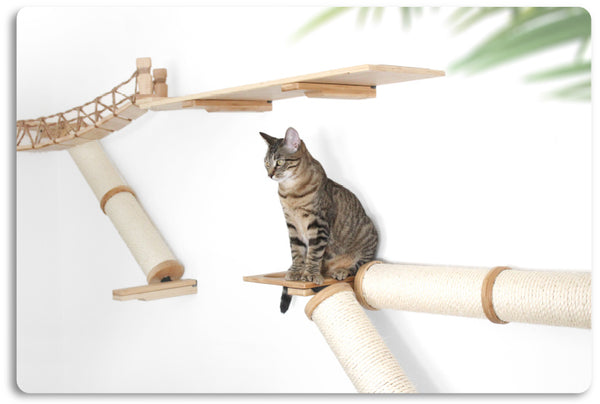
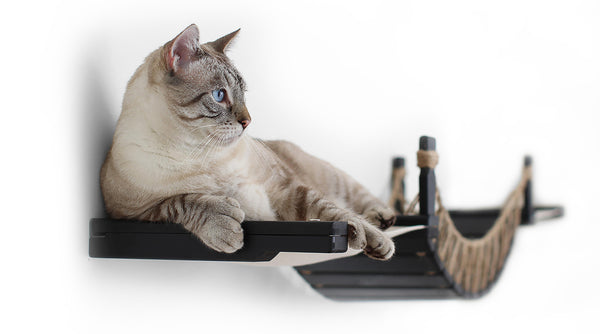
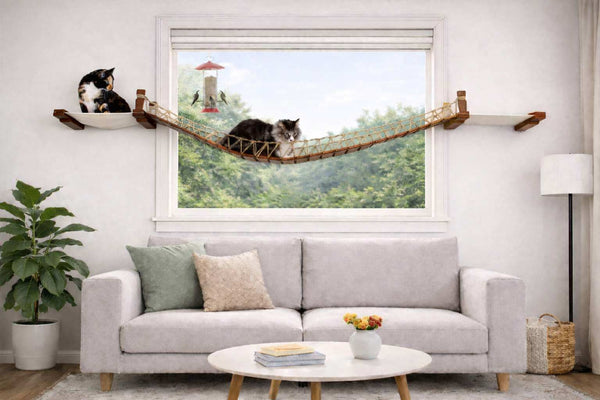
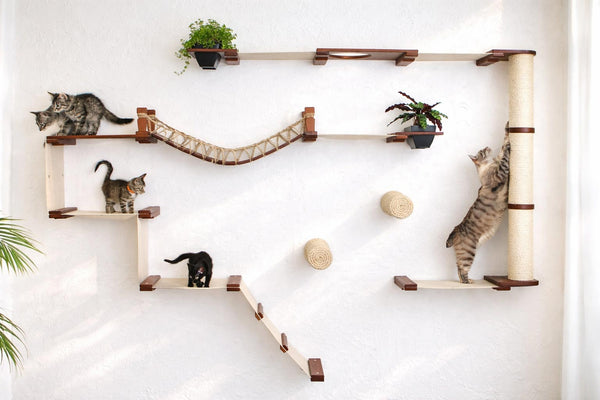
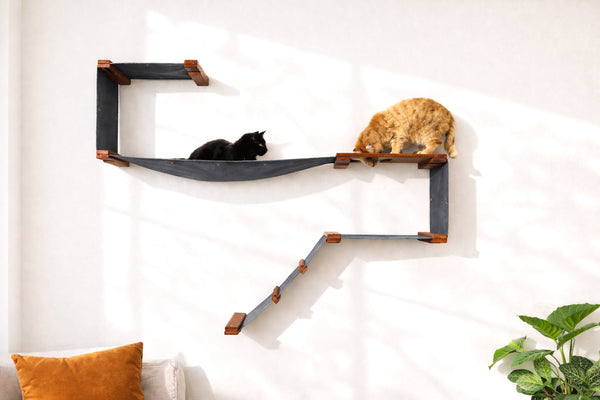
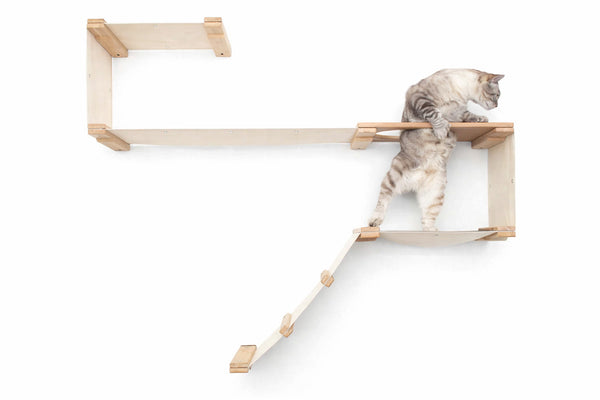
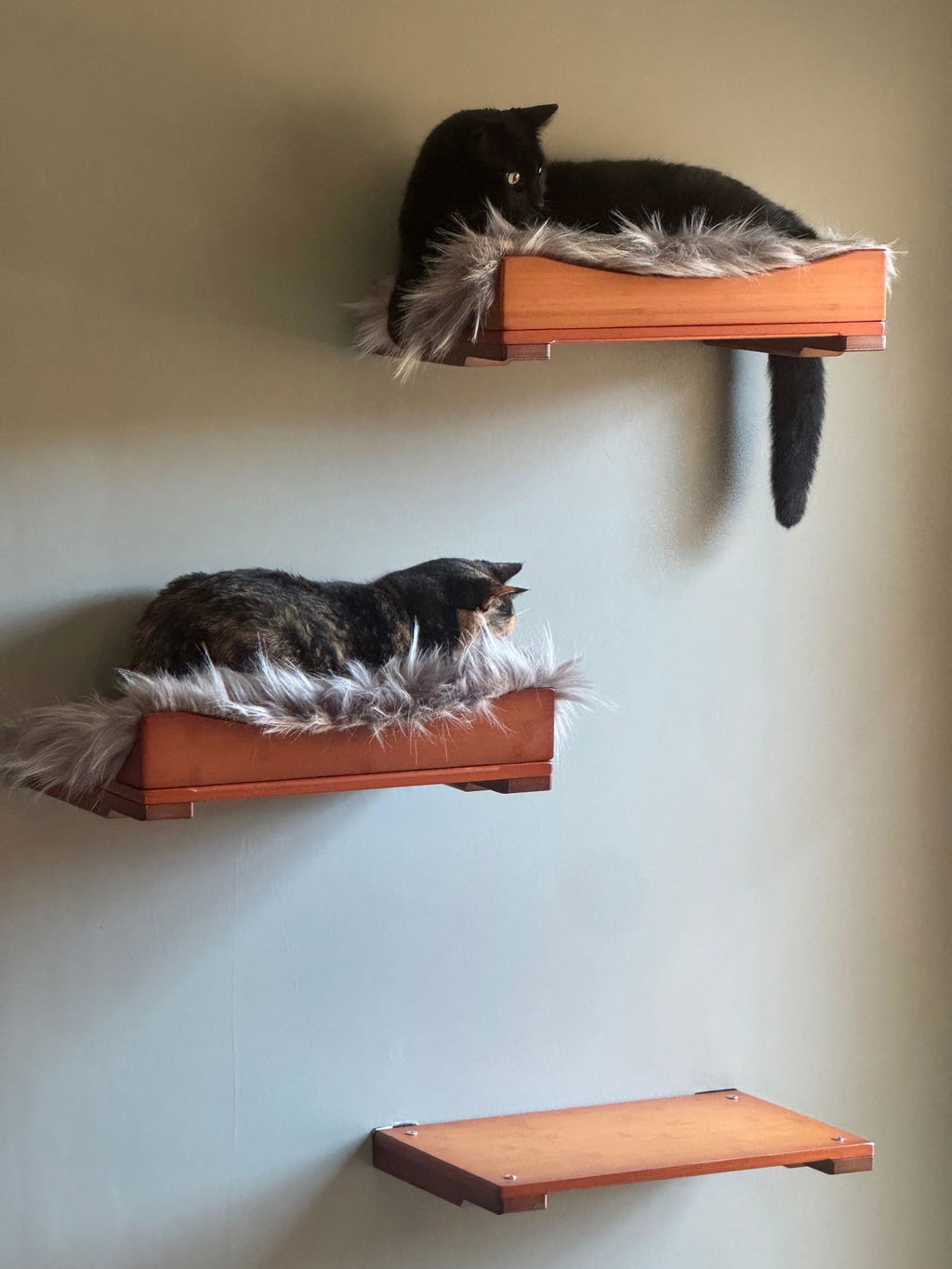
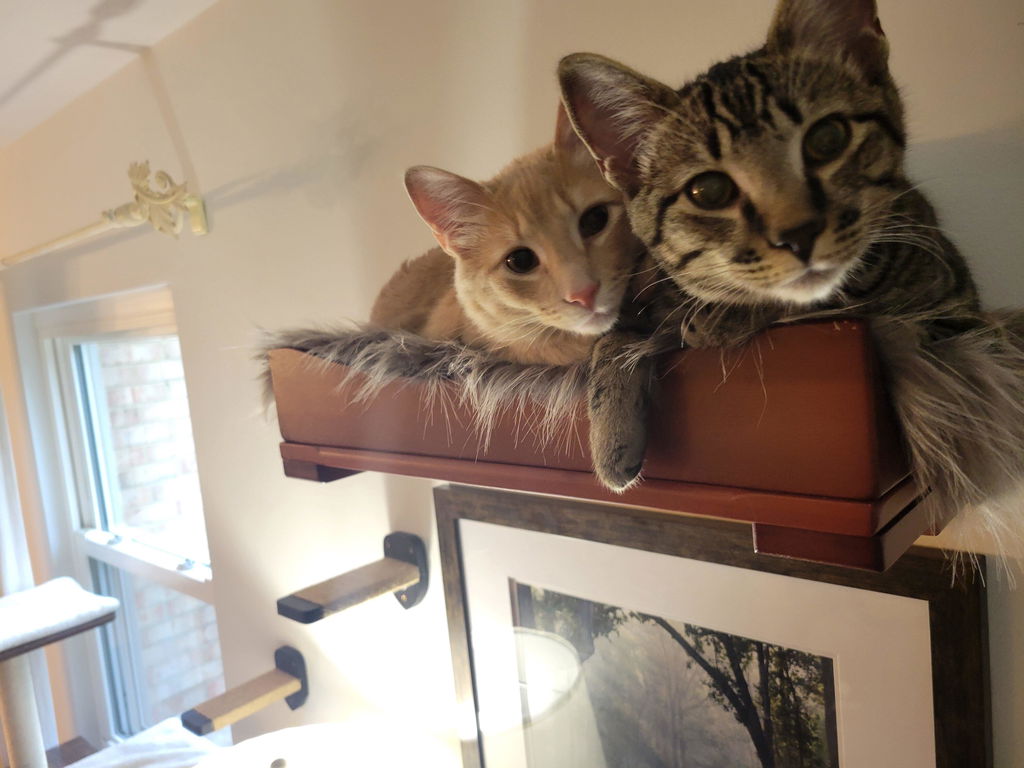
To help your cat feel more secure, provide a variety of elevated and enclosed hiding spots like cat trees, shelves, or even simple cardboard boxes. Most importantly, avoid forcing a hiding cat out into the open, as this can increase stress rather than relieve it.

Why Cats Scratch
Scratching is one of the most misunderstood cat behaviors. While damaged furniture can be frustrating, scratching itself is completely natural and essential to your cat’s well-being.

Cats Scratch To...
- Stretch and exercise their muscles
- Maintain healthy claws
- Mark territory visually and with scent
- Relieve stress or frustration
- Express excitement
- For fun!
Scratching isn’t something you should try to stop. Instead, the goal is to redirect it to appropriate surfaces.
Setting Your Cat Up for Success
To prevent destructive scratching, focus on offering alternatives that are more appealing than your furniture:
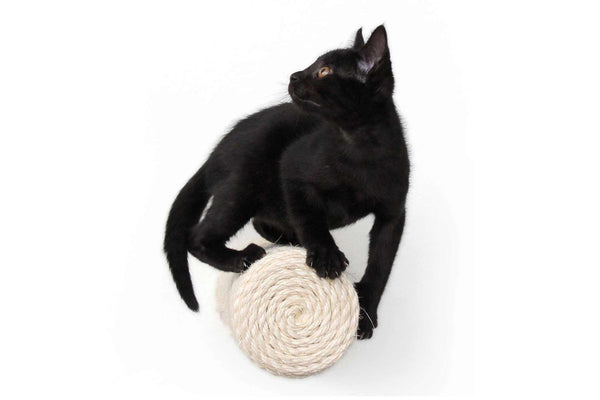
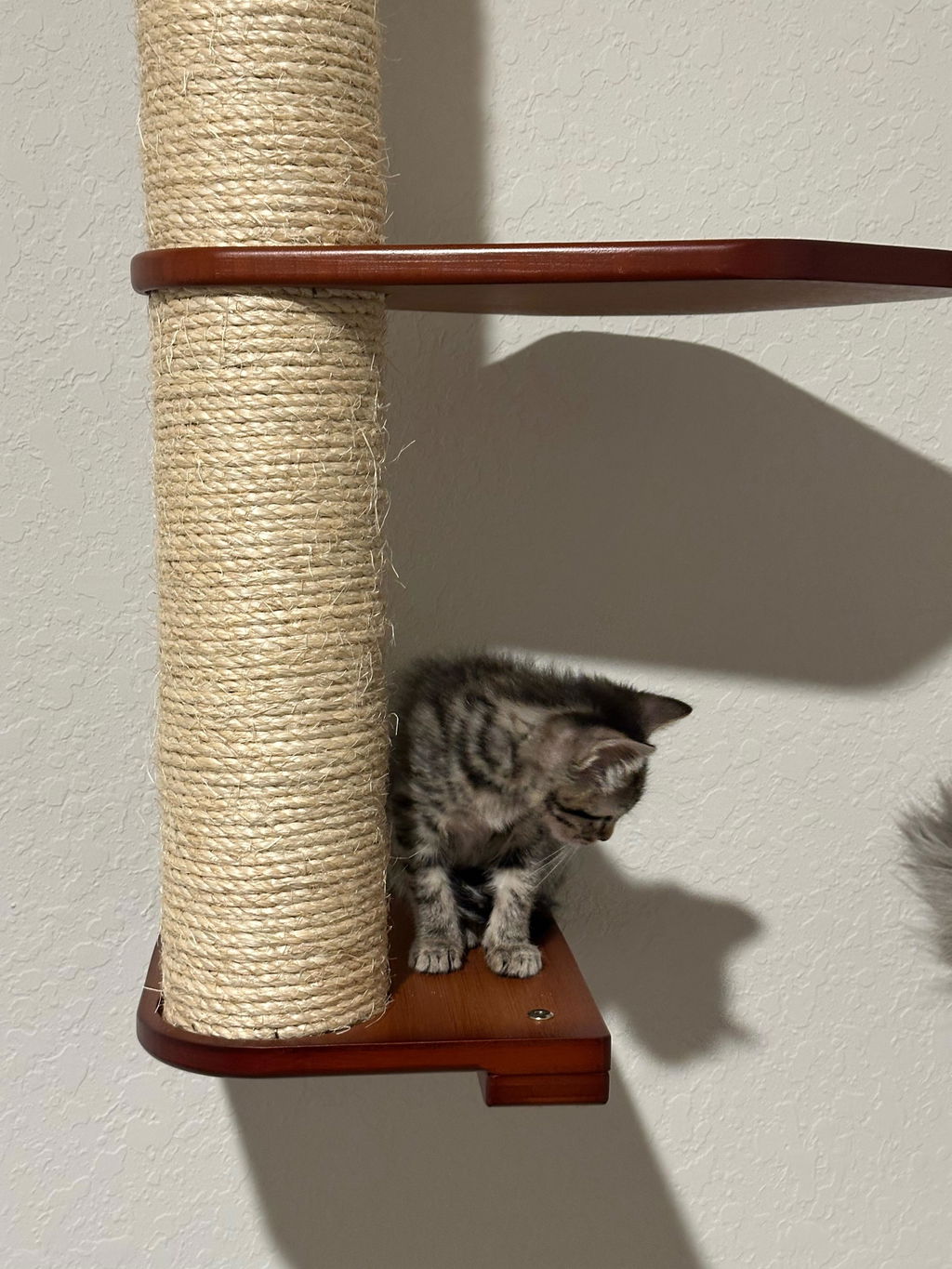
- Tall, sturdy scratching posts for full-body stretching
- Horizontal scratchers for variety
- Materials like cardboard, sisal, or wood
- Stable surfaces that don’t wobble or tip over

Placement matters just as much as the type of scratcher. Cats are most likely to scratch:
- After waking up
- Near sleeping areas
- In social spaces
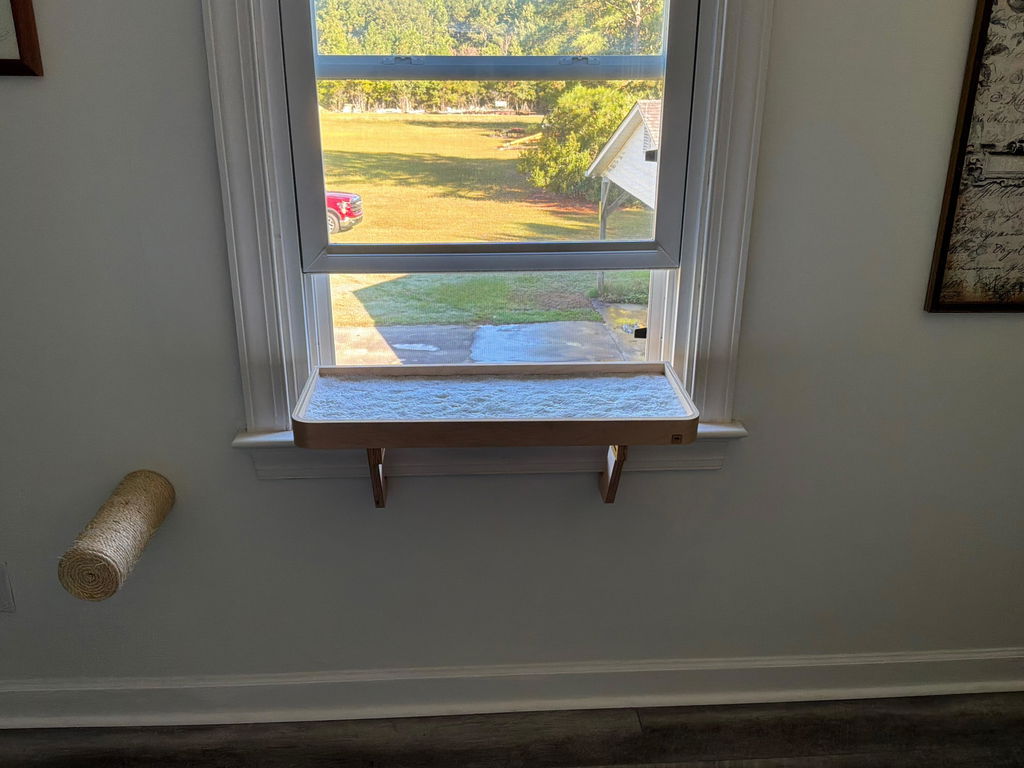
- Near doors or windows
- In areas that may cause tension between cats, such as a narrow hallway or near stairs
Instead of punishing unwanted scratching, place appropriate scratchers in those locations and reward your cat for using them. Positive reinforcement lets them know what behavior you want and helps build better habits while maintaining trust. Need more tips on placement? See our detailed guide here.
Why Cats Stop Using the Litter Box
One of the biggest myths about cat behavior is that cats eliminate outside the litter box out of spite or revenge. This behavior is a form of communication, and it usually means something isn’t right.

Common Causes Include:
- Medical conditions (urinary, digestive, or pain-related)
- Stress or anxiety
- Poor litter box setup
- Conflict with other pets
- Changes in routine or environment
Medical issues are especially important to consider. Conditions such as bladder inflammation, arthritis, constipation, kidney disease, diabetes, gastrointestinal disease, and pain can make litter box use uncomfortable or difficult. For cats with mobility challenges, placing litter boxes close to where they rest can make a big difference.
Environmental factors also play a major role. Cats may avoid litter boxes that are:
- Too small or difficult to access
- In an ambush area, meaning enclosed with only one entry and exit
- Located in noisy or high-traffic areas
- In spaces that feel unsafe due to other pets
- Dirty or not cleaned regularly
Cats thrive on consistency and predictability. Changes such as moving, visitors, schedule disruptions, household tension, or introducing a new pet can all contribute to stress-related litter box issues.
If your cat suddenly stops using the litter box, the focus shouldn’t be on blame; it should be on investigation. Behavioral changes like this are often early indicators that your cat needs support.

Supporting Healthy Cat Behavior
When you understand your cat’s natural instincts, their behavior becomes much easier to interpret. We want to let cats cat!
Cats need opportunities to:
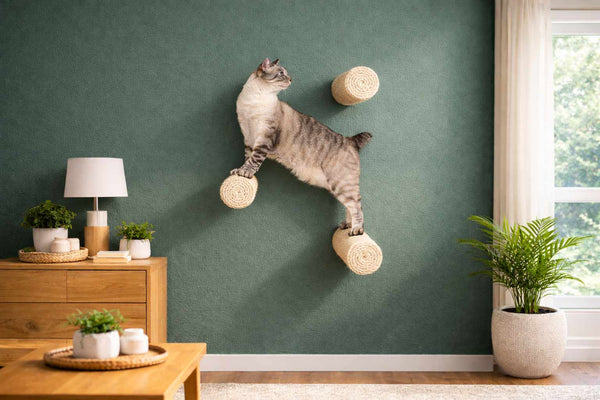
- Climb and explore
- Scratch and stretch
- Hide and rest
- Play and hunt
- Engage socially on their own terms
You can support your cat by:
- Providing enrichment and interactive play
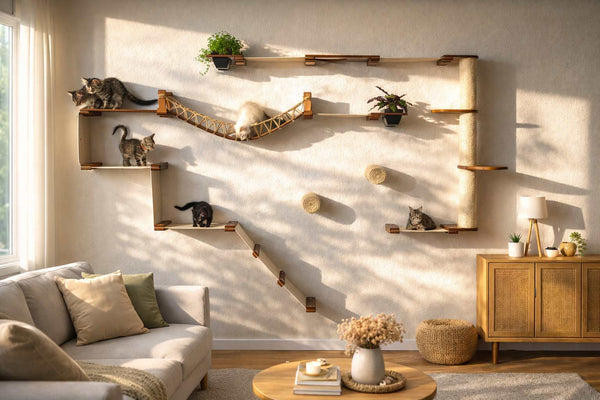
- Offering vertical spaces and hiding spots
- Keeping routines consistent
- Ensuring litter boxes are accessible and clean
- Watching for sudden changes in behavior

The more we learn about cat behavior, the more compassion we can bring to our relationships with them. What may seem like “bad behavior” is often your cat’s way of saying something important.
When you replace frustration with curiosity, you become a better advocate for your cat’s emotional and physical well-being and build a stronger, more trusting bond along the way.