
First Things First: Is It Okay for a Cat to Travel in an RV?
Traveling in an RV with your cat can be an exciting and rewarding experience, but it also comes with a few important considerations. While many cats can adapt well to life on the road, their comfort and safety should always be the top priority. From adjusting to the confined space of an RV to becoming familiar with new sights, sounds, and movement, there are several factors to keep in mind when traveling with a feline companion. In this blog, we’ll walk through what to expect and share practical tips to help make RV travel enjoyable and stress-free for both you and your cat.

Creating a Safe and Cat-Friendly RV
The key to any good road trip (other than having plenty of snacks….) is keeping everything organized, so you know what you have and where you have it. As you make your RV comfortable and engaging for your cat, make sure to pre-plan where you will store and secure all supplies so you don’t over-buy and clutter your vehicle, or make your cat’s necessities inaccessible.
 Tips to Catify Your RV
-
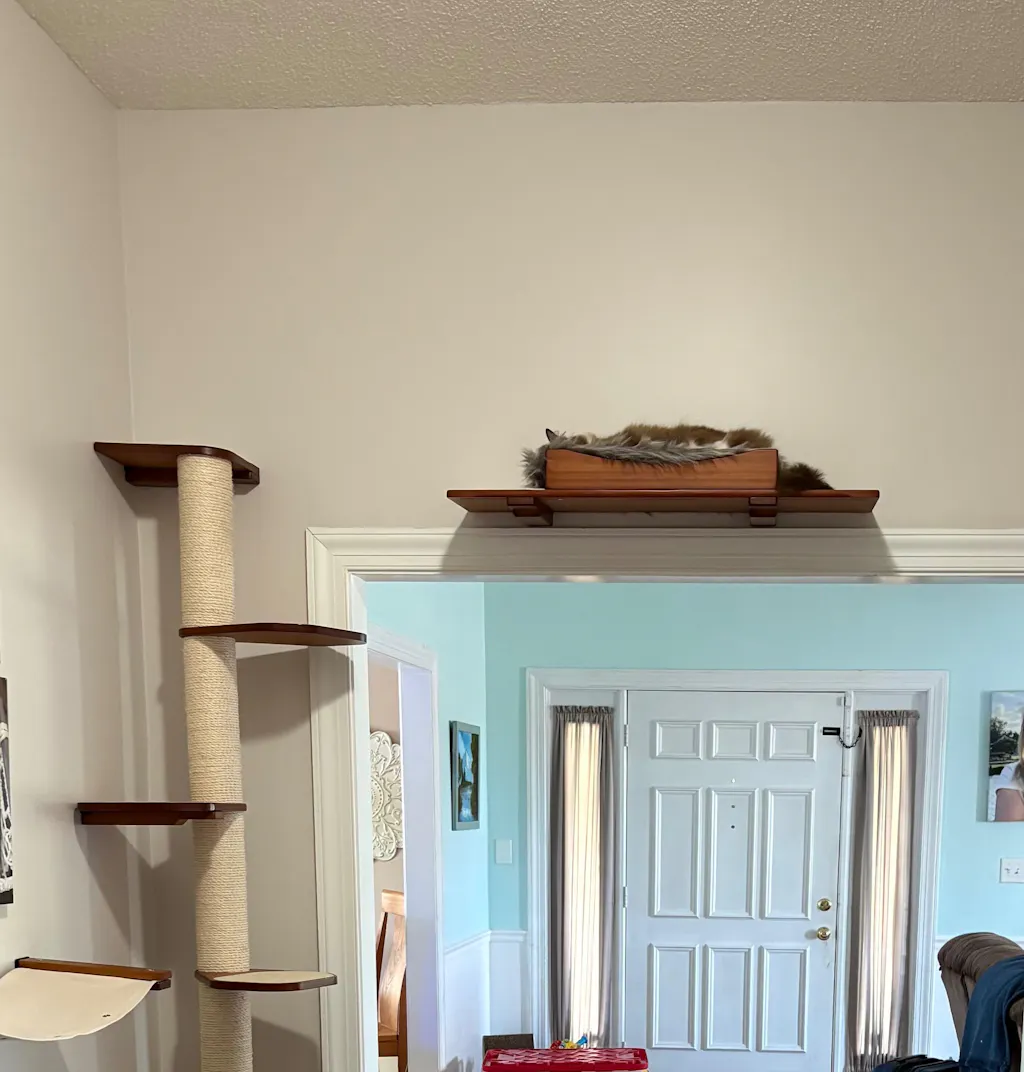
Make it Cozy: Create a relaxing and soothing environment by setting up cozy areas with soft bedding or blankets where your cat can relax and feel secure. This is especially important at the beginning of your journey, when your cat may be overwhelmed by their environment change,
-
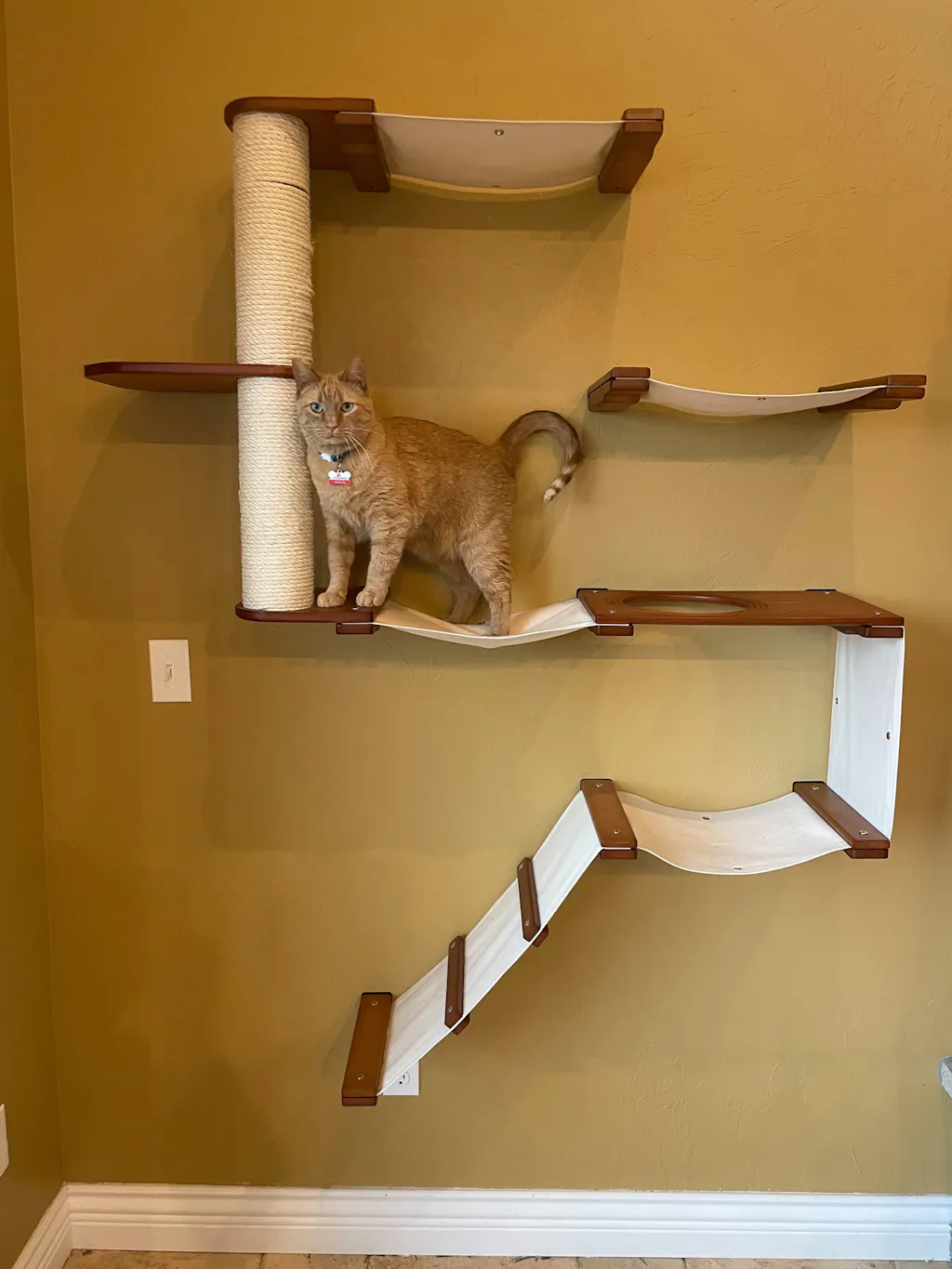
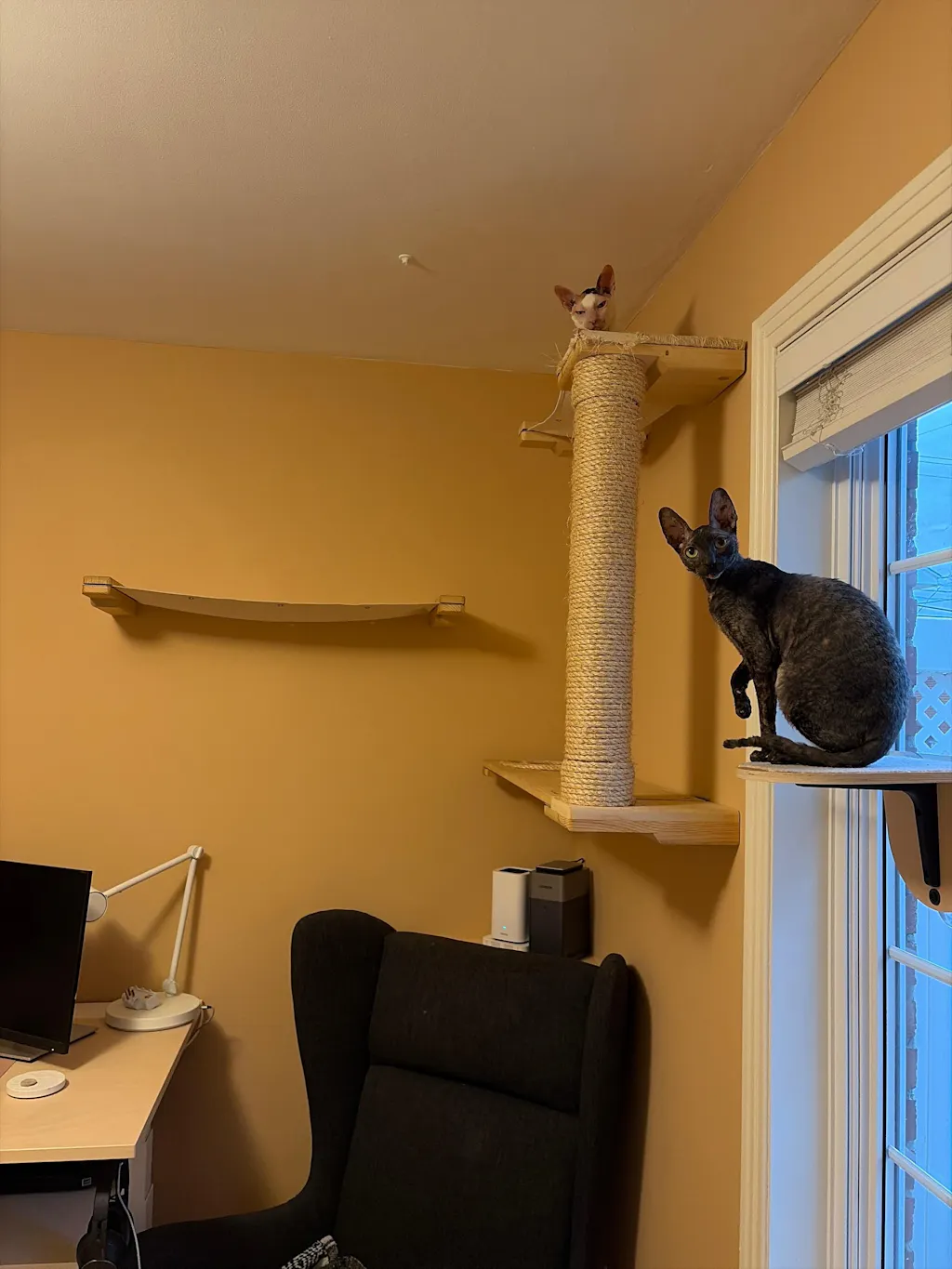
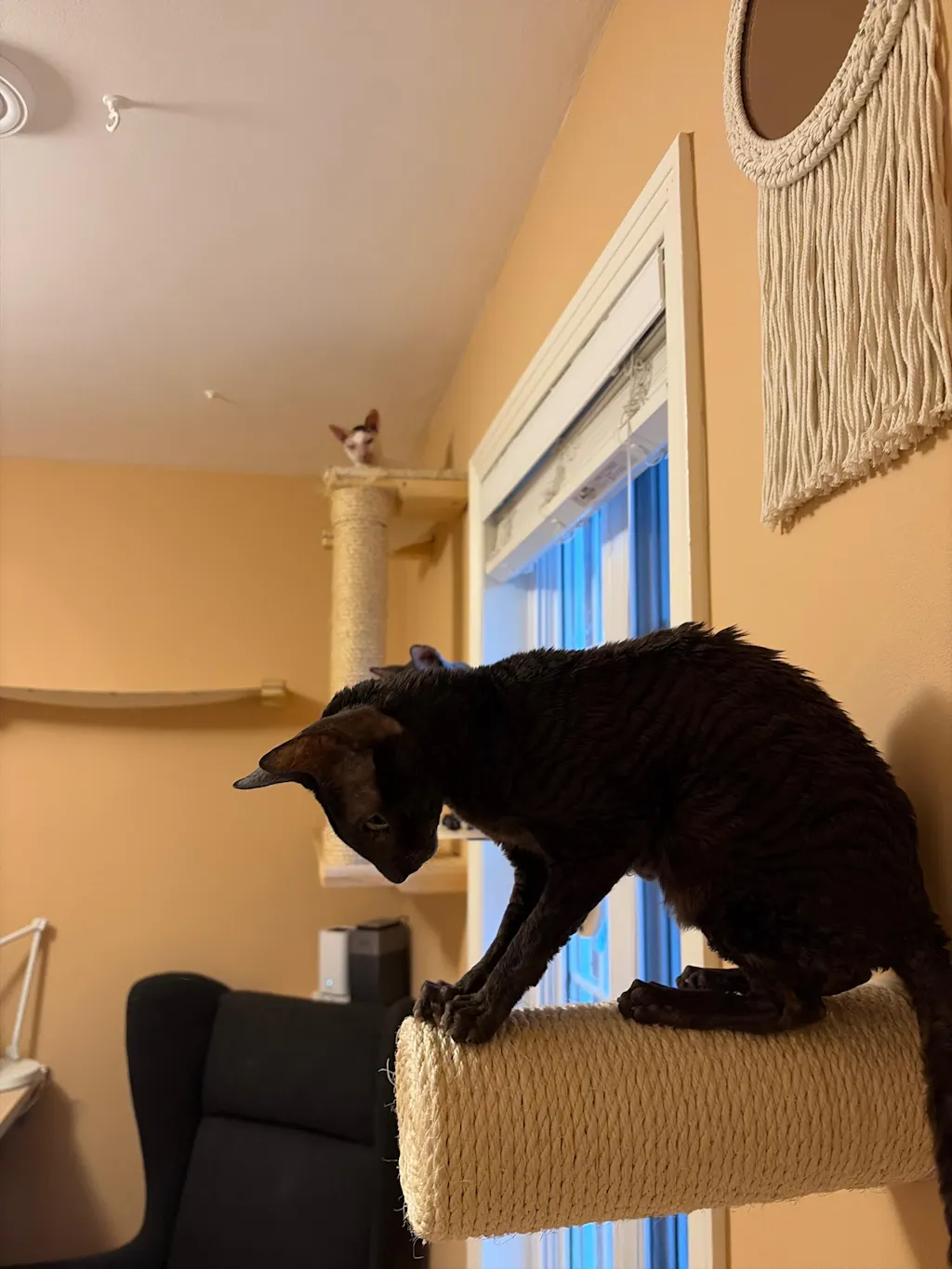
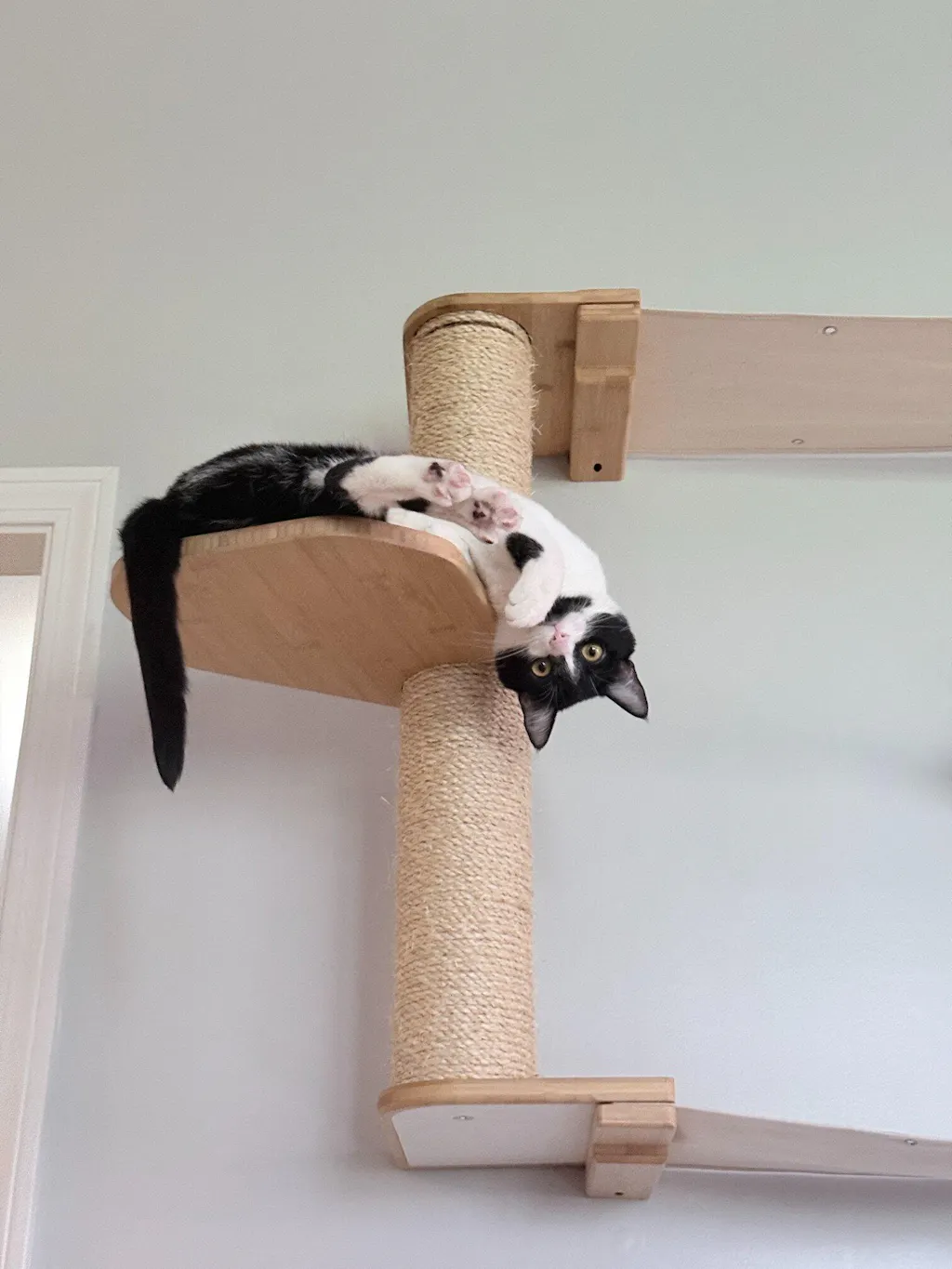
Prioritize Enrichment: While cats sleep up to 18 hours a day, it’s still important to provide them opportunities to mentally and physically stimulate themselves so their unspent energy doesn't come out through destructive tendencies. Incorporate scratching posts and interactive toys with your RV design to keep them entertained and exercised during long drives.
-
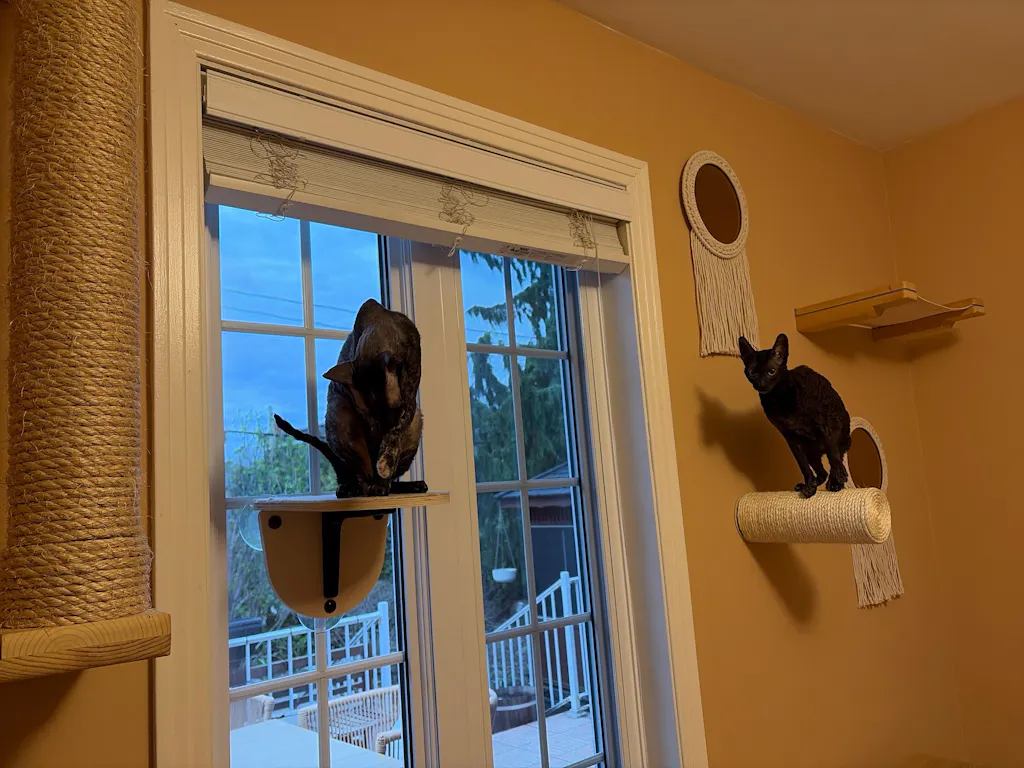
Consider Their View (Literally): One of the best parts of traveling with your kitty is the new scenery they get to experience for the first time. Make the most of these opportunities by setting up a perch or bed near a window, allowing your cat to take it all in with you. This simple addition can provide endless entertainment and keep them engaged with the outside world while safely inside the RV.
 Credit: @fisherthemainecoon
This should go without saying, but your cat’s health should be your top priority when planning any feline adventure. Cat-proofing your RV is important. Read up on these additional tips below for the health and safety of your kitty companion.
How to Cat-Proof Your RV for Safety
-
Secure Windows and Doors: Ensure all windows and doors have secure latches to prevent accidental Houdini-like escapes and consider installing sturdy screens to keep your cat safely inside. Not only will this add a layer of security for your potential escape artist, but also allows you the option of getting some fresh air without compromising your peace of mind.
-
Check Your Ventilation System: Speaking of escape artists, some cats on the opposite spectrum are prone to hiding. With this in mind, Check that the ventilation system of your RV is cat-proof, with no accessible openings where your cat could get stuck or escape if they get a little more curious than they should. If hiding is a known behavior for your cat, consider using covers or mesh to block any exposed vents.
-
Secure Your Supplies: Your fur babies can be just like literal babies, so make sure to use childproof locks on cabinets and storage areas to keep curious cats from exploring potentially dangerous spots and to prevent them from accessing cleaning supplies or sharp objects that could harm them.
Preparing Your Cat for Travel
Acclimating Your Cat to the RV
Helping your cat get comfortable with RV life is crucial in having a positive experience for you both, but how exactly do you acclimate your feline friend to their new environment? Here are some tips to get your feline friend feeling confident in their new mobile home:
-
Introduce Them Gradually: Starting to introduce your cat slowly to RV life will surely help your cat acclimate by letting them put their best foot (paw?) forward. Allowing your cat to explore the RV while it's parked and the engine is off can help them familiarize themselves with the space without any additional overwhelming factors. If you can, allow your fur baby to sniff around and get to know the space at their own pace.
-
Start with Short Trips First: Beginning with short drives helps your cat get used to the feeling of the motion of the RV. Once they seem ready, gradually increase the length of your mini-trips until your cat is comfortable with longer rides.
-
Comfort Items: Like tiny humans, cats enjoy small comforts like a familiar toy or blanket. To help them settle into their new home, bring along familiar items, such as their favorite blanket, bed, or toys. The scent and familiarity of these items can help your cat feel more secure and at ease in their new environment.
Keeping Your Cat Secure & Safe During Travel
Now that you’re ready to roll (literally & metaphorically), just a few things are left to prepare before you hit the road. While you have already ensured your pet’s safety and comfort in their environment, ensuring your cat's safety during actual travel time is also essential to prevent accidents and injuries. Here are some strategies to keep your feline friend secure:
-
Use a Pet Carrier: If your cat will allow it, keep them in a sturdy, well-ventilated pet carrier during travel– this helps protect them from sudden stops and prevents them from roaming the RV while it's in motion.
-
Harness and Leash: If your cat is not happy in a cat carrier, try getting them comfortable with a harness and use it with a leash to keep them secure. If planning on utilizing this method, make sure to attach the leash to a stable fixture in the RV, like a table or pole, to prevent your cat from getting caught underfoot.
-
Travel Crates: If neither of the previous methods worked for you and your feline, don’t worry! Consider using a travel crate specifically designed for car or RV travel. Similar to a typical pet carrier, these crates provide a safe, enclosed space for your cat, reducing stress and keeping them happy & secure throughout your adventures.
Managing a Cat in RV: Litter Box Details
Since you’ll be spending a lot of time in a small, confined space, it’s important to plan your litterbox location and situation. Finding the right spot for a litter box in an RV can be slightly tricky, but with some creativity and foresight, it’s entirely manageable! Here are some tips to help you keep the litter box clean and, most importantly, odor-free:
-
Location, Location, Location: In an RV, space is (obviously) limited, but it’s important to reserve a discrete space for the litter box. Look for semi-hidden or out-of-sight locations such as under a bench seat, in a bathroom corner, or inside a converted cabinet. Anywhere that is easily accessible for your cat, but out of the main living areas is the ideal placement to maintain a pleasant (non-smelly) environment.
-
Choosing the Right Litter: Your litter doesn’t necessarily need to change for the RV, but you may want to switch things up if you don’t already use a deodorizing litter. Opt for a high-quality, clumping litter that advertises odor control, or unscented variety. These types are often better tolerated by cats in small spaces and help keep the RV smelling fresh.

- Maintaining Hygiene: It may be your least favorite chore, but it’s important to scoop the litter box daily and do a full clean once a week. As in a typical litter box setup, using a litter mat can help reduce tracking, and having a small, sealed trash bin for litter waste can help manage odors. If you have the space to spare, you could even consider a litter robot to minimize the smells even more. If the odor is particularly an issue for your RV, try using air fresheners or odor-neutralizing sprays specifically designed for pet areas to create a fresher environment.
Emergency Preparedness and Vet Care
Part of pet-parenting is being prepared for anything–including emergencies. While 99% of the time no issues occur, it’s always best to have a plan for anything. As you prepare for your adventure, consider adding the following to your list of to-dos.
-
Get a First Aid Kit: You're probably packing a first-aid kit for you, so make sure you don’t forget one for your cat! Buy or create your own first aid kit for your cat, including items like bandages, antiseptic wipes, tweezers, and any medications your cat might need in an unforeseen emergency. Also, consider including a pet-first aid guide– they can be invaluable during emergencies!
-
Plan Known Vet Locations: Before you hit the road, research and note the locations of veterinary clinics along your route, so you can have them on hand in an emergency. You can also use apps and online maps, but depending on where you’re traveling, reception (or lack of it) may make it difficult to guarantee you’ll be able to utilize those tools. Having pre-planned an “emergency route” can help you ensure you’re never too far from professional care if you need it. (PS– not sure if your cat is still adjusting, or may be coming down with something?Check out our blog to know if your cat is in pain)
-
Emergency Plan: While we hate dwelling on worst-possible-case scenarios, it’s important to have an emergency plan prepared that includes details on what to do in case your cat gets lost, becomes ill, or is injured. We recommend making and keeping a file of your pet’s medical documents, including copies of your cat’s medical records, vaccination history, and a recent photo, just to be prepared. And remember: always travel with your cat's microchip information!
Your Checklist of Essential Supplies for Cat RV Travel
Think you’re ready to set out? Make sure to double-check your list!
-
Travel Carrier
Make sure the carrier is spacious enough for your cat to stand, turn around, and lie down comfortably. Look for carriers with secure doors and easy-to-clean materials.

-
Litter Box Set-Up
You shouldn’t need a refresher here (pun intended), but if you do, head back to our “Litter Box Details” section. A great option for an RV is creating an enclosed litter box under a cabinet due to the space being a little tight.

-
Food and Water
We’ve said it once, and we’ll say it again: snacks are always the best part of a road trip! Pack enough of your cat's preferred food to last the duration of your trip (plus even a little extra), and don't forget to bring along some of your cat's favorite treats for comfort and rewards!
-
Activity Areas & Toys
So you have your scratching posts placed and plenty of “safe spaces” for your feline friend, but do you have other entertainment to prevent boredom? Try to rotate toys regularly to maintain your cat's interest while you’re driving or exploring without them. By setting up engaging activity zones, you can make the RV feel more like home for your kitty companion.

Traveling in an RV with your cat can be a once-in-a-lifetime adventure with the right preparation and supplies. Ensuring your feline friend has all the comforts of home in their temporary one helps create a comfortable and safe environment both of you will thrive in. For more tips and high-quality cat furniture, visit Catastrophic Creations and make your RV trips truly purrfect–safe travels and happy tails!